









Do Diamonds Increase in Value, or Do They Lose Value?
Key Takeaways
- Natural diamonds tend to steadily increase in price in the long term and do not lose value due to scarce supply and increasingly expensive extraction costs. In the context of economic volatility,...

Natural diamonds tend to steadily increase in price in the long term and do not lose value due to scarce supply and increasingly expensive extraction costs. In the context of economic volatility, diamonds are called "New Gold" – a safe asset haven, with inflation resistance and sustainable accumulation for over 40 years.
To understand why diamonds hold their value well and what factors drive their value to skyrocket, let's analyze in detail with Jemmia Diamond right below.
Diamonds Increase in Price, Why?
Diamond prices have increased sharply due to the high demand for real assets while natural mining output is reaching its limits. From 2019 to the present, global diamond prices have recorded an impressive average growth rate, especially for large stones.
- Safe haven: When gold and currency markets fluctuate, investors turn to diamonds to diversify their portfolios and preserve asset value.
- Stable growth: Statistics show that diamond prices have grown steadily for 4 decades. In early 2021, diamond values increased by an average of 35% compared to the same period, affirming their "New Gold" position in the market.
- Inflation pressure: Increased operating, labor, and machinery costs force major corporations like De Beers to continuously adjust selling prices by 5-10% each time.
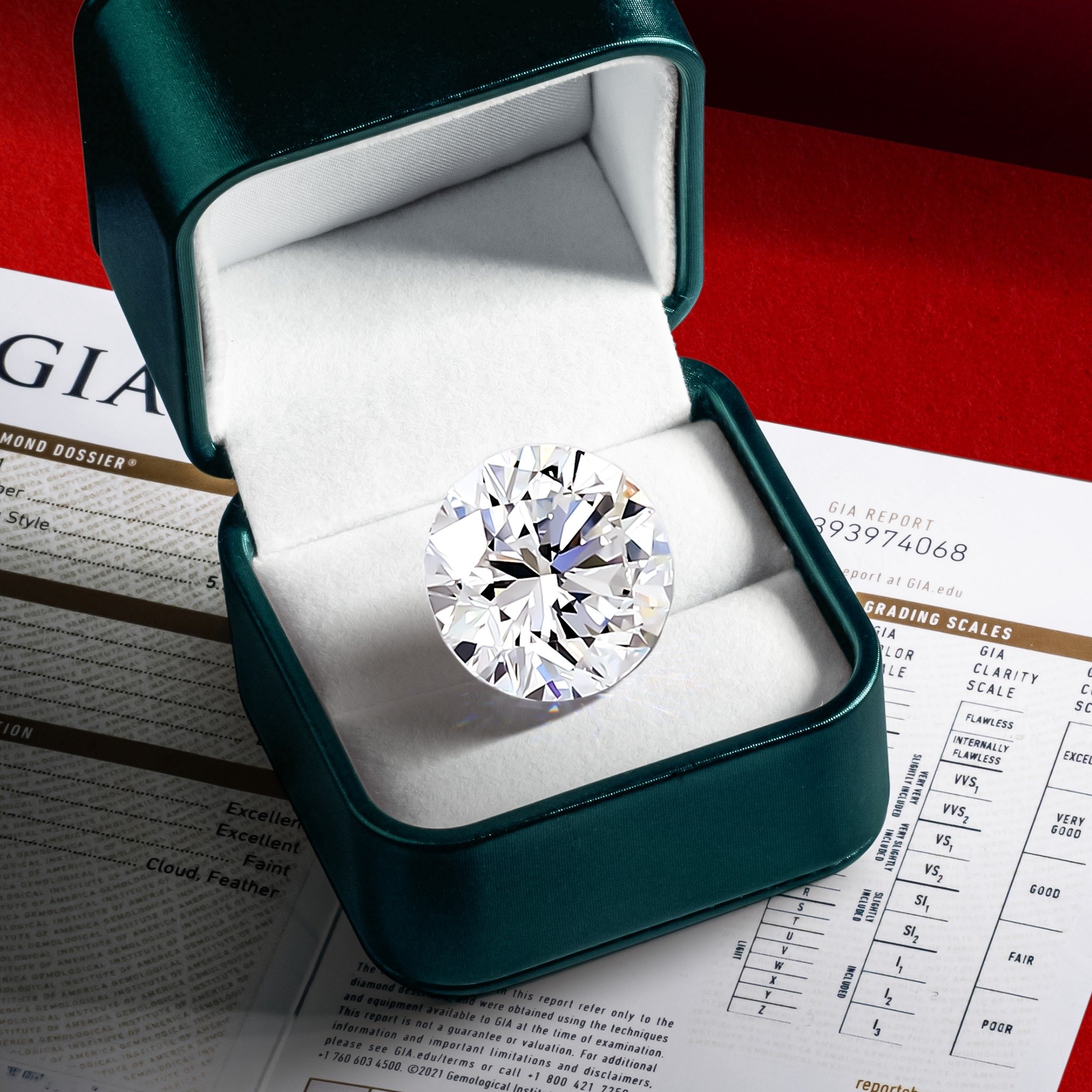
High demand but limited supply causes the value of diamonds to increase
See more: Should you invest in loose diamonds?
Why Does Demand Increase But Supply Doesn't?
The mining and processing of diamonds is an extremely harsh process, requiring significant time and labor, making it impossible for supply to increase rapidly in line with market demand.
- Record mining depth: Diamonds form at depths of over 160km beneath the Earth's surface. Deploying machinery into volcanic pipes to extract rough stones is a major geological and technical challenge.
- Losses in processing: From a rough stone to a sparkling finished product is a process of skillful polishing. Artisans must remove many excess parts to achieve a perfect cut, reducing weight but increasing essential value.
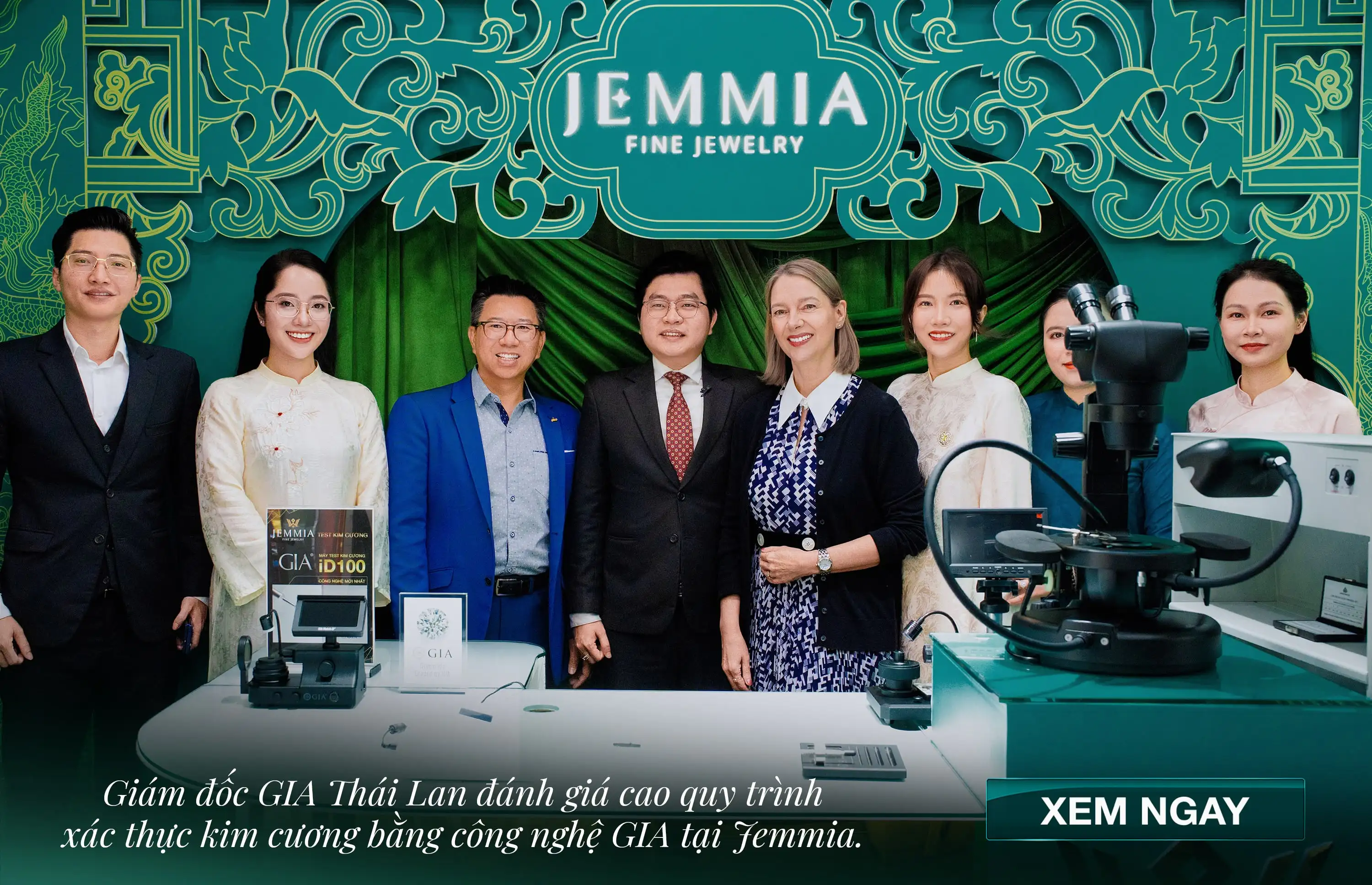
- Strict GIA certification: Each diamond at Jemmia undergoes a rigorous authentication process by the Gemological Institute of America (GIA), ensuring global identification and value.
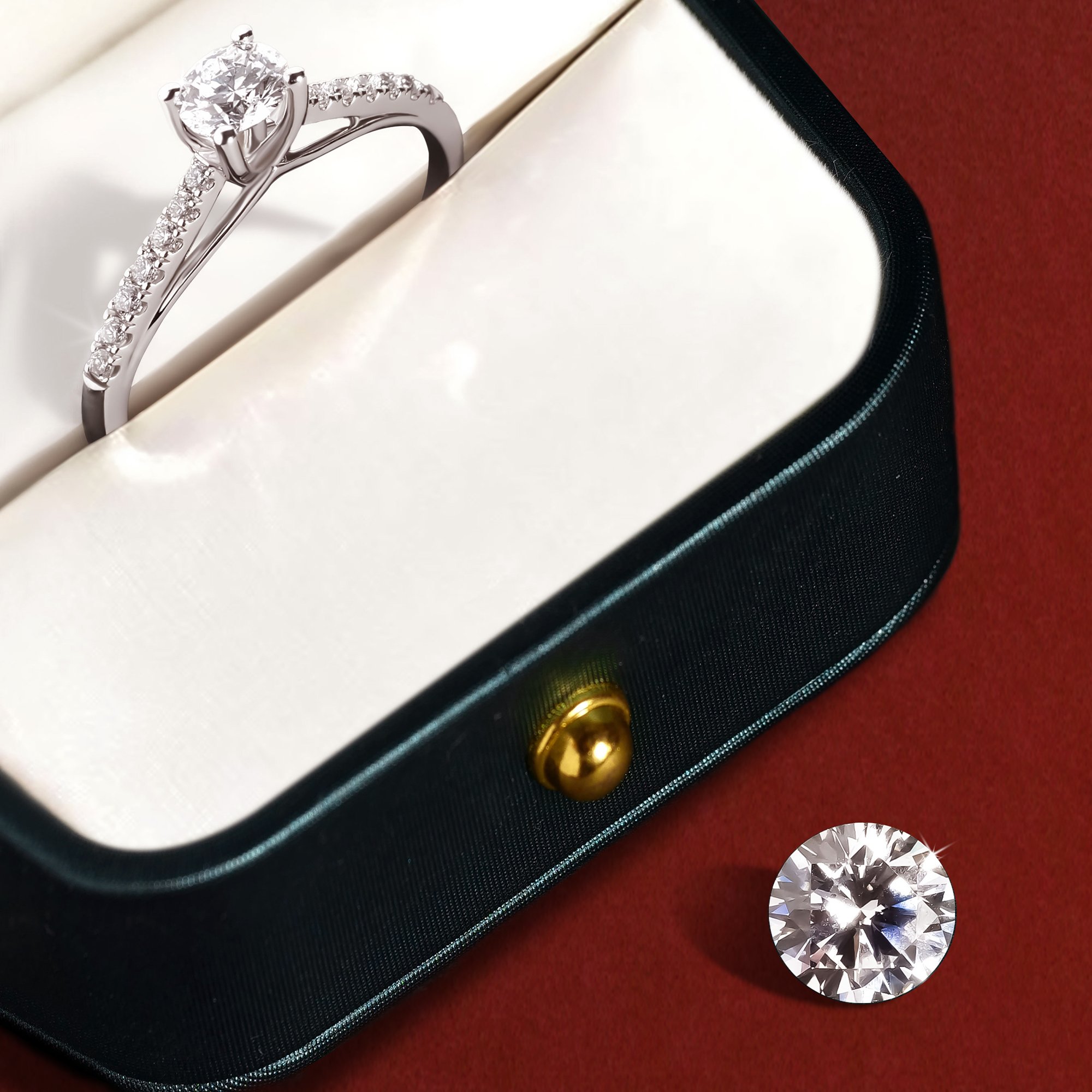
The diamond mining process is extremely arduous
See more: Should people with the Earth element invest in diamonds?
Do Diamonds Lose Value?
| Criterion | Diamonds (Accumulated Asset) | Other Asset Types |
| Durability | Eternal, no wear and tear. | Can be oxidized or degraded. |
| Portability | Very high (High value in small size). | Low (Bulky, difficult to transport). |
| Inflation Hedge | Highly effective in the long term. | Highly dependent on monetary policy. |
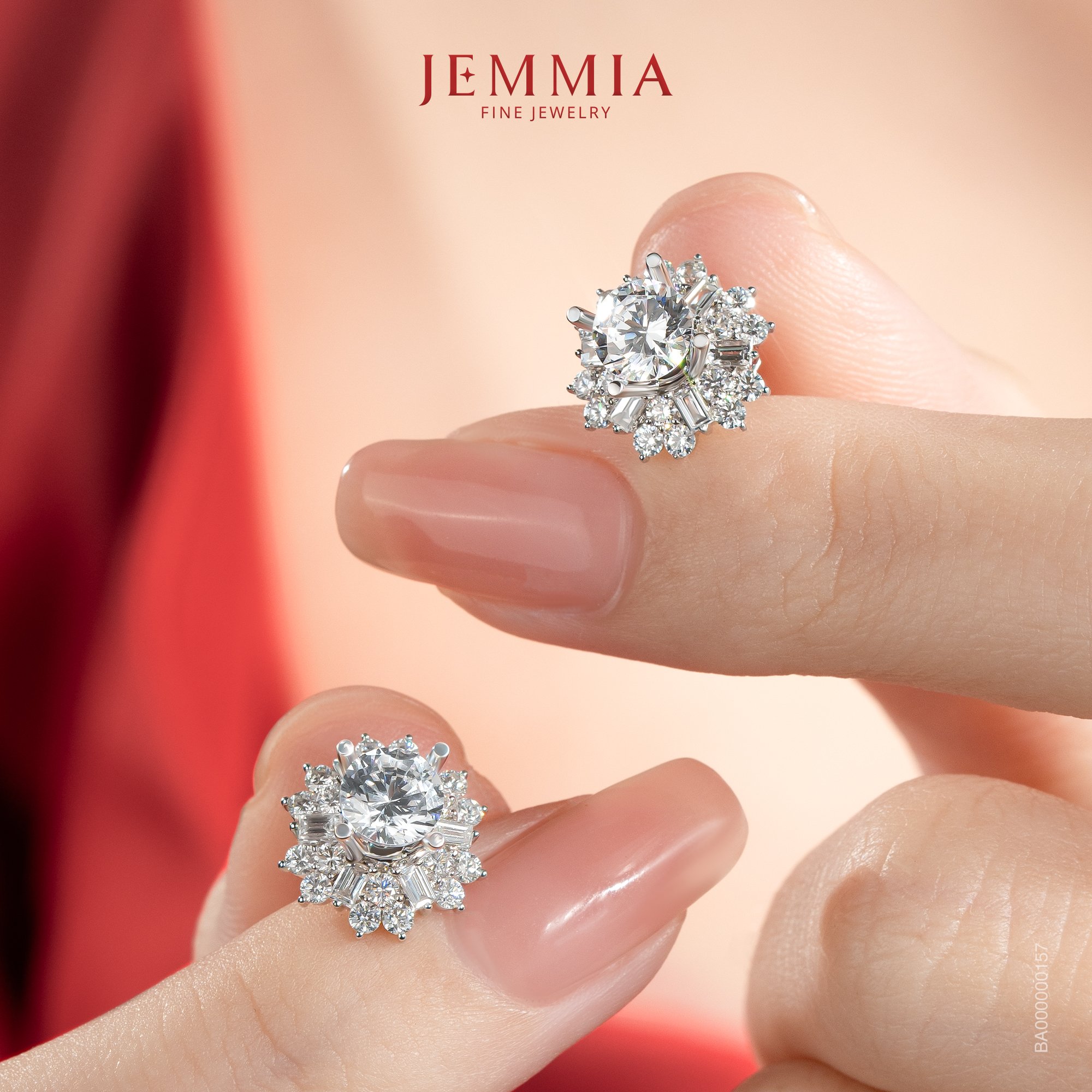
Diamonds have long been considered a symbol of nobility and luxury
For a long time, diamonds have been considered a symbol of nobility and luxury, used as jewelry for royalty and aristocrats. Diamonds are seen as a symbol of beautiful purity and timeless value. Therefore, in love, they represent purity and eternity. A beautiful love will always last through the years. In investment, they are considered a safe asset, suitable for long-term accumulation.
Conclusion
Diamonds are not only luxurious jewelry but also a smart "asset accumulation" option in the new economic era. Choose reputable entities like Jemmia Diamond to ensure your diamond always retains its value and brings absolute peace of mind.