










Names of Natural Diamond Types Today
Key Takeaways
- Diamonds have always been symbols of luxury and eternal beauty, formed over billions of years under extreme pressure and temperature. With their perfect hardness and excellent light reflection, they become the top...

Diamonds have always been symbols of luxury and eternal beauty, formed over billions of years under extreme pressure and temperature. With their perfect hardness and excellent light reflection, they become the top choice for high-end jewelry.
At Jemmia, the brand continuously brings you natural diamonds of superior quality. Little do people know that natural diamonds are also classified by color, structure, and origin. Let's explore these special types of diamonds.
What Are Natural Diamonds?
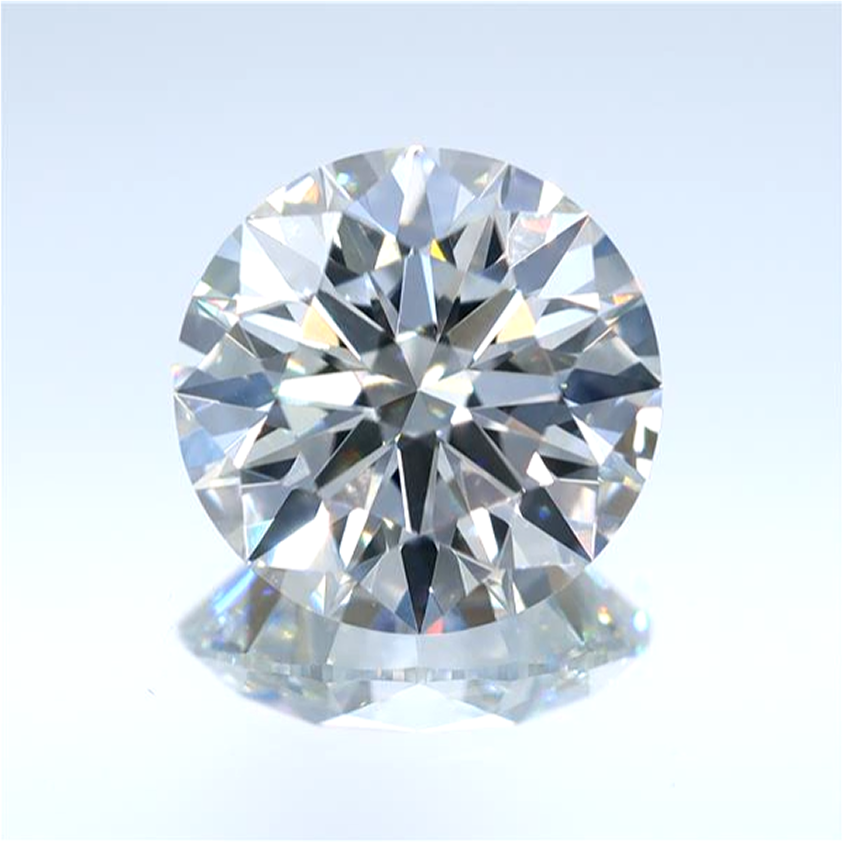
Natural diamonds are rare gemstones formed from the element carbon under extremely harsh pressure and temperature conditions deep within the Earth's core. The perfect combination of time, pressure, and temperature has created one of the hardest substances known to humankind.
The formation process of diamonds can span billions of years, during which carbon atoms bond together in a special crystalline structure, creating an incredibly stable solid mass.
Natural diamonds are not only highly valued for their superior hardness (scoring 10/10 on the Mohs scale) but also for their unique sparkling beauty when expertly cut. Therefore, they are often used in high-end jewelry and have become symbols of eternity, luxury, and everlasting love.
Furthermore, diamonds have many other applications in industry, particularly in cutting and drilling, thanks to their hardness and excellent wear resistance.

Natural diamond
Types of Natural Diamonds Today
Natural diamonds vary greatly in characteristics, from color, crystal structure, to geographical origin. Understanding these features will help classify and evaluate the value of each diamond. Below are the main classifications:
Classification Based on Color
The color of natural diamonds is an important factor in determining their value. Different colors often appear due to the presence of other elements during formation or minor imperfections in the crystal structure. Here are some common colors:
White/Colorless Diamonds
These are the most common and sought-after types. These diamonds contain no or very few impurities, making them perfectly transparent and maximizing light reflection. They are also the most commonly used diamonds in engagement rings and high-end jewelry.
Yellow Diamonds
Yellow diamonds get their characteristic color from the presence of nitrogen in their structure. The yellow color of diamonds can range from pale to deep, with deeper yellow stones being rarer and more valuable.
Blue Diamonds
The blue color of this type of diamond is created by the presence of boron. Blue diamonds are not only beautiful but also extremely rare, making them one of the most valuable types of diamonds. One of the most famous blue diamonds is the "Hope Diamond," a 45.52-carat diamond with a mysterious history.
Pink Diamonds
The pink hue of diamonds is the result of immense pressure during their formation, which alters the molecular structure. Pink diamonds are very rare and highly coveted, often appearing in expensive jewelry collections.

Pink diamond
Brown Diamonds
Also known as "cognac" or "champagne" diamonds, these diamonds have a warm brown color and are affordable. They are often used in fashion jewelry designs due to their uniqueness and variety of color shades.
Black Diamonds
Black diamonds are not transparent but contain many inclusions, creating a mysterious and powerful appearance. Black diamonds have become popular in modern jewelry, especially in edgy and unique designs.

Black diamond
Classification Based on Crystal Structure
Besides color, natural diamonds are also classified based on their chemical composition and crystal structure, which affect their clarity, hardness, and color.
- Type Ia Diamonds: These diamonds contain the most nitrogen and are the most common type found in nature. They usually have a white to light yellow color, depending on the amount of nitrogen present in their structure.
- Type Ib Diamonds: Contain nitrogen in a dispersed form, different from Type Ia diamonds. Type Ib diamonds often have deeper colors, such as dark yellow or orange, and account for about 0.1% of natural diamonds.
- Type IIa Diamonds: These are the purest diamonds, containing no nitrogen or any other impurities. They have absolute transparency and are among the most valuable types of diamonds due to their rarity and perfect beauty.
- Type IIb Diamonds: Containing boron, Type IIb diamonds have a characteristic blue color and are extremely rare. They are highly valued by collectors not only for their rarity but also for their high artistic value.
Classification Based on Origin of Formation
The origin of diamonds is also an important factor in classification and value determination. Each geographical region has different diamond formation conditions, creating unique characteristics for diamonds from each area.
- Mine Diamonds: These are diamonds mined from underground deposits, where natural diamond formation conditions are perfect. Some famous diamond mines include the Kimberley Mine in South Africa, the Argyle Mine in Australia, and the Mir Mine in Russia.
- Riverbed Diamonds: These diamonds are found in alluvial deposits or riverbeds, where they have been washed away from their original formation sites. These diamonds are often easier to mine but retain their quality.
- Meteorite Diamonds: Extremely rare diamonds formed by meteorite impacts on Earth. The impact process creates immense heat and pressure, sufficient to form diamonds. These diamonds have very high collector's value and are not commonly used in jewelry.
Natural diamonds are not only treasures of nature but also symbols of luxury, love, and eternity. Whether classified by color, structure, or origin, each diamond carries its own unique story. With their rarity and timeless beauty, natural diamonds always hold the highest position in the world of gemstones and jewelry. Follow Jemmia to learn more useful knowledge about diamonds, gold, and gemstones.
See more: Diamond prices with great offers at Jemmia Diamond