






The 4Cs Diamond Standards: International Quality Appraisal Standards from GIA
Key Takeaways
- The 4Cs standard includes 4 factors: Carat Weight, Color, Clarity, and Cut. The combination of these four factors determines the beauty, rarity, and value of a diamond.Understanding the 4Cs standard correctly not...

The 4Cs standard includes 4 factors: Carat Weight, Color, Clarity, and Cut. The combination of these four factors determines the beauty, rarity, and value of a diamond.
Understanding the 4Cs standard correctly not only helps you objectively assess the quality of the stone but also allows you to make choices that fit your budget and needs. Join Jemmia Diamond's diamond experts to learn more about each factor through the article below.
What is the 4Cs of Diamonds?
Where:
- Carat (Weight): Measures the weight of the diamond.
- Cut: Evaluates the technique and proportions of the cut that help the diamond reflect light best.
- Color: Assesses the colorless level of a white diamond.
- Clarity: Determines the level of inclusions and blemishes on the inside or surface of the stone.
Besides the 4Cs standard, the overall beauty and quality of a diamond are also affected by other factors such as: fluorescence, grading reports, and other optical characteristics.
Before the 4Cs system was introduced, diamond evaluation lacked consistency. Each dealer, each country might use its own standards, making it difficult for buyers to compare the quality of different diamonds.
To address this issue, GIA developed the 4Cs system to standardize diamond grading and valuation worldwide. Today, this is the most widely used standard by grading laboratories, retailers, and diamond experts.
As a brand with many years of experience in the diamond industry, Jemmia will share detailed information about the 4 criteria for evaluating a diamond below so you can correctly determine the value of a diamond when buying and selling:
CARAT – Diamond Weight
Carat (ct) is the unit of weight for diamonds.
1 carat = 0.2 grams = 100 points
Carat to Millimeter Size Conversion Chart
Weight (Carat) | Approximate Millimeter Size |
0.25 ct | 4.1 mm |
0.30 ct | 4.3 mm |
0.50 ct | 5.1 mm |
0.70 ct | 5.7 mm |
1.00 ct | 6.4-6.5 mm |
1.50 ct | 7.3-7.4 mm |
2.00 ct | 8.1-8.2 mm |
Note: The chart applies to round diamonds and is for reference only; actual dimensions may vary depending on the cut proportions.
Many people often assume that a larger carat means a more beautiful diamond. In reality, carat only reflects weight and does not directly reflect the quality or sparkle of the stone.
Example:
- A 1.00 ct diamond with an Excellent cut is often more brilliant than a 1.20 ct diamond with a poor cut.
- Two 1-carat diamonds may have different visible sizes if their cut proportions differ.
Larger diamonds are much rarer in nature. Therefore, the value does not increase linearly with carat but tends to increase exponentially.
Example:
A 1.00 ct diamond is typically significantly more expensive than two 0.50 ct diamonds of equivalent total weight.
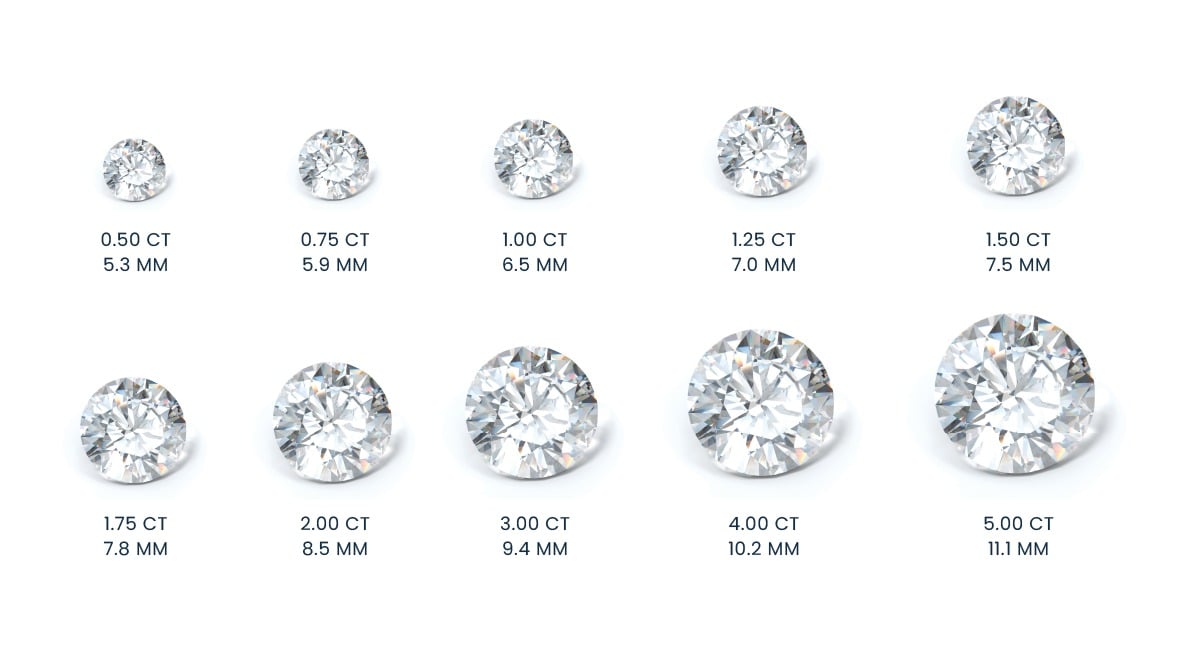
This measurement system originates from modern gemology and is widely popularized by reputable grading institutions such as the Gemological Institute of America (GIA), which plays a central role in establishing global standards for the jewelry industry.
Carat Weight Rounding Rule (GIA Standard):
0.973 ct → rounded to 0.97 ct
0.977 ct → still rounded to 0.97 ct
0.979 ct → rounded to 0.98 ct
Carat weight rounding is performed according to strict principles to ensure consistency in diamond grading and pricing, especially in standard price lists like the Rapaport Price List.
To ensure absolute accuracy, carat weight is measured using specialized electronic scales in a lab, with precision up to 0.0001 ct. This is an essential part of the grading process at reputable centers like GIA, IGI, or HRD.
Carat is not just a weight figure but also one of the most important value indicators of a diamond. Typically, the larger the carat weight, the higher the value. However, a high-value diamond is not solely determined by Carat; it also depends on other 4Cs factors such as Cut, Color, and Clarity. Let's explore the next criterion, Color, with Jemmia.
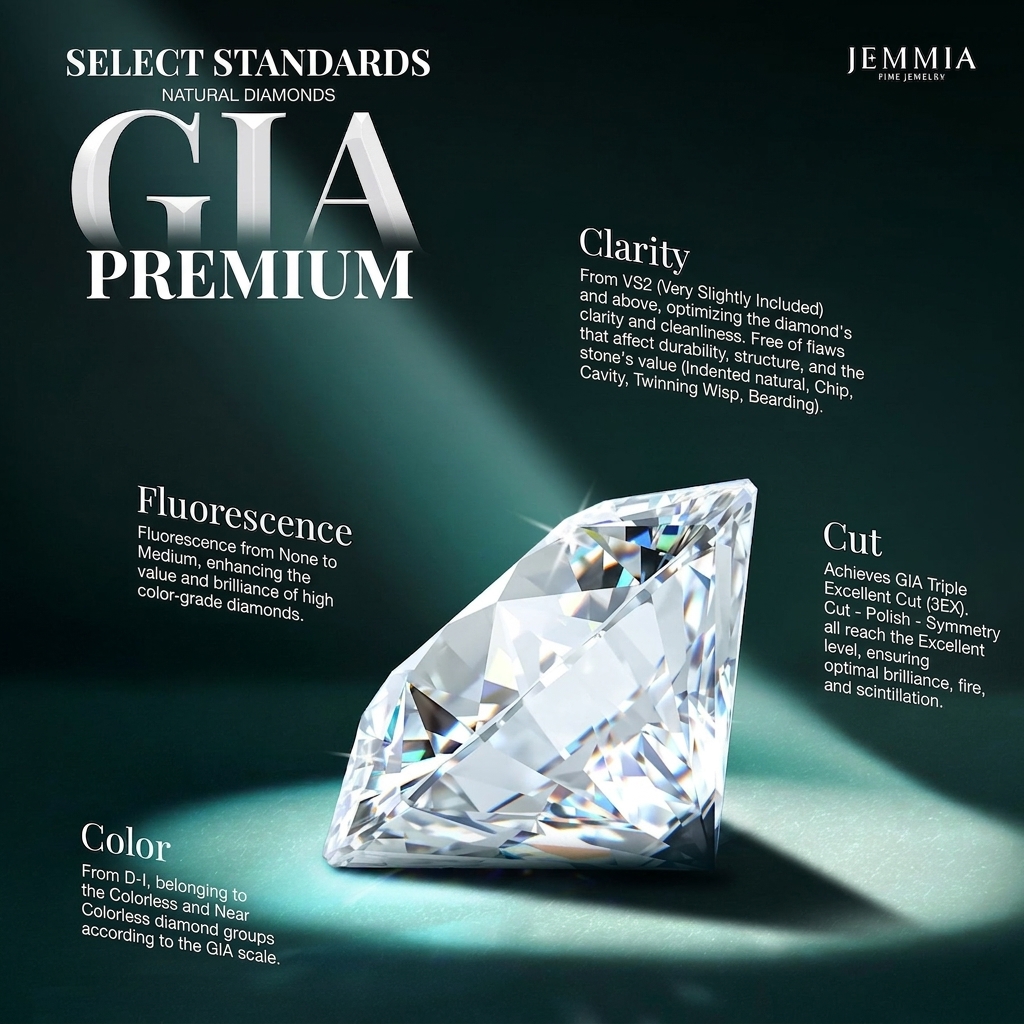
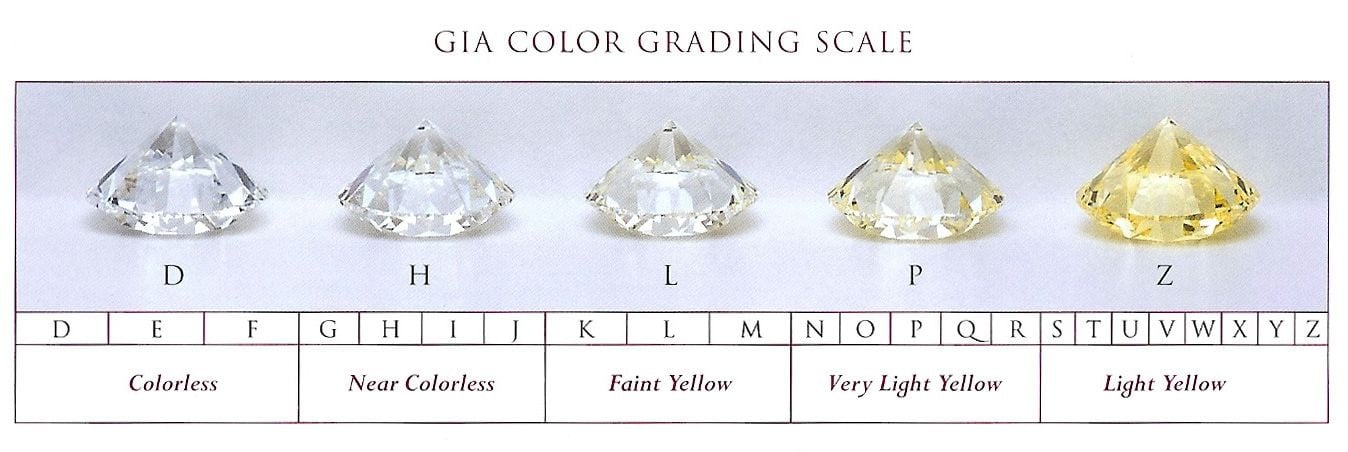
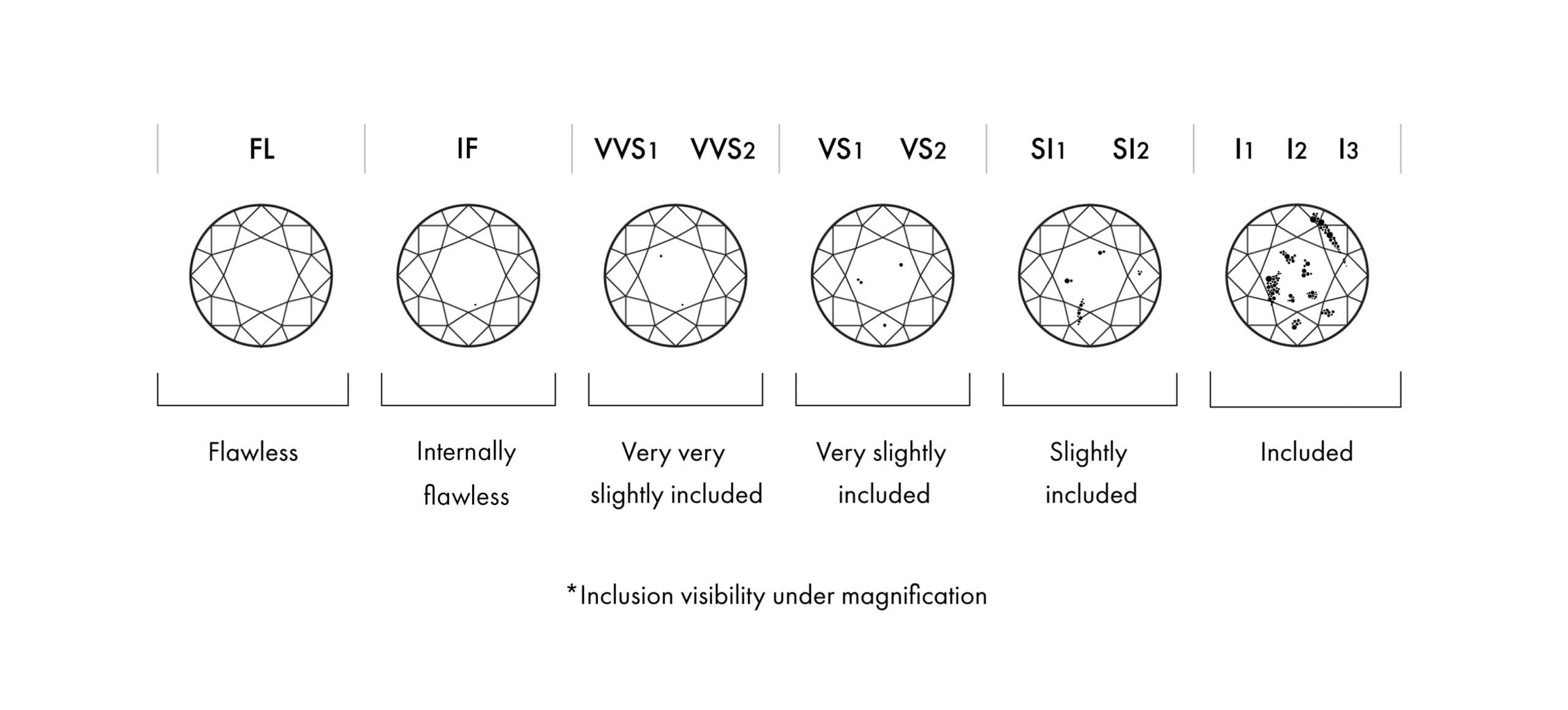
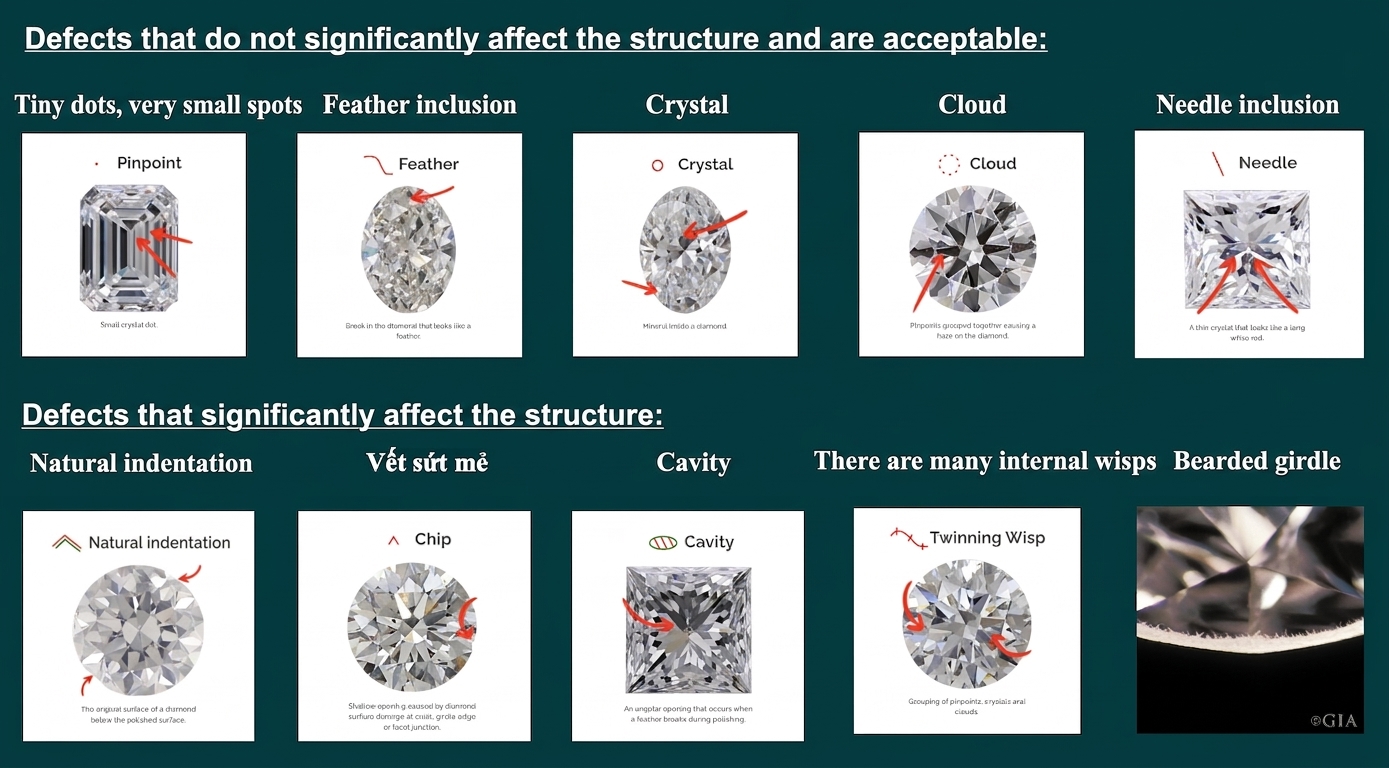
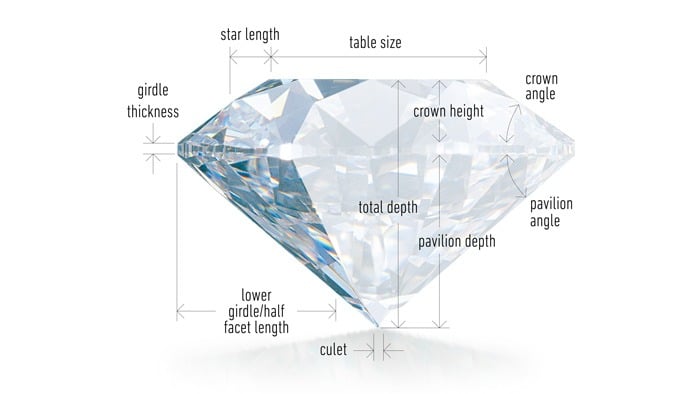
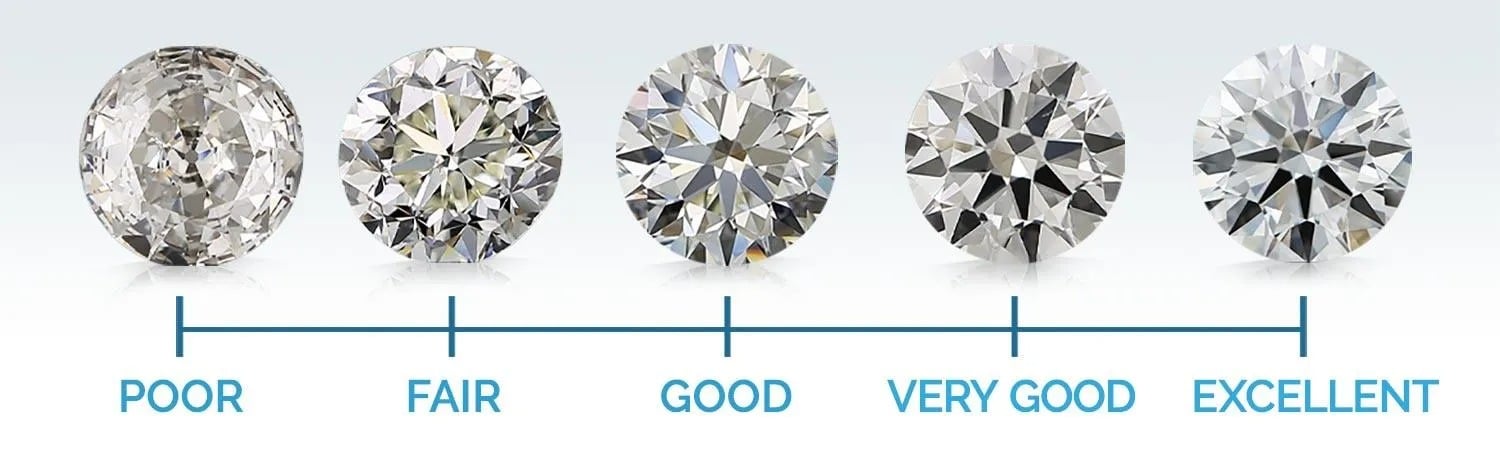
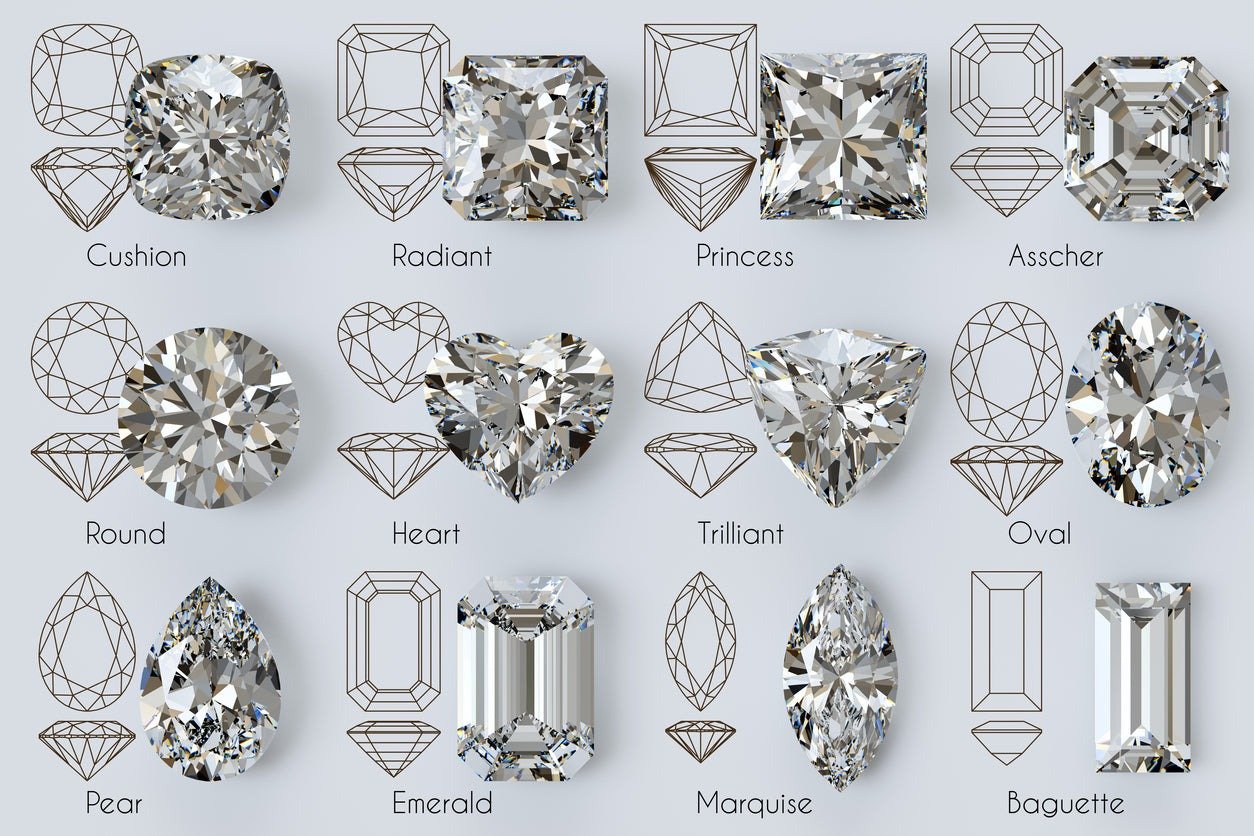
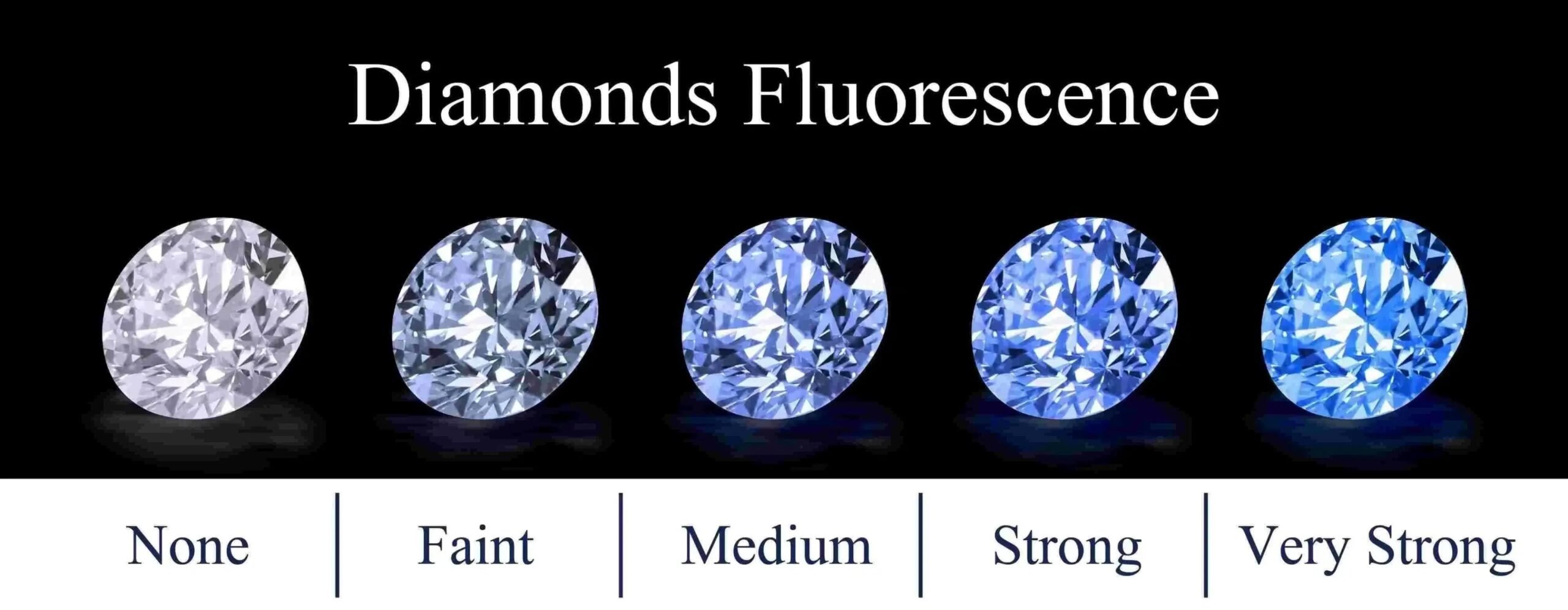
See more: What is the Unit of Measurement Carat? Distinguish Carat and Kara Diamond weight is also called Carat During its formation, diamonds come in many different colors. The colors fashioned into jewelry are primarily pure white diamonds. The most common diamond color grading system today was developed in the 1950s by scientist Richard T. Liddicoat at the Gemological Institute of America (GIA). GIA uses the Latin alphabet starting from "D – Z" to differentiate diamond colors in detail, known as the "D – Z" Color Scale. The highest color grade is D. The purer the color, the higher the value of the diamond. Diamond grades are divided into the following levels: Diamond grades range from D to Z See more: What is Diamond Color? GIA Standard Scale In addition, natural diamonds also come in other colors such as red, blue, black, pink, etc. Some vividly colored diamonds can be more valuable than a D color diamond. Clarity is the criterion used to assess the perfection of a diamond's structure, based on the number, size, position, and visibility of internal inclusions and external blemishes. The clarity of a diamond is affected by 4 main factors: When evaluating Clarity, experts observe the diamond under a 10x magnification loupe according to GIA (Gemological Institute of America) standards to provide accurate and objective results. Diamond Clarity is divided into 6 groups with 11 grades as follows: Diamond clarity grades from FL to I3 There are many types of imperfections in diamonds, classified into two categories: flaws that do not affect the structure and flaws that do affect the structure. Flaws that do not significantly affect the structure and are acceptable: Flaws that affect the structure: Flaws affecting diamond value High 4Cs Quality Diamonds at Jemmia Diamond: Cut is one of the most important criteria in the 4C standard, used to determine the value and beauty of a diamond. The cut directly affects the diamond's brilliance, sparkle, and overall shape. Unlike weight or color, the cut reflects the craftsmanship and determines how the diamond reflects and refracts light to create its characteristic brilliant effect. A diamond's cut is formed by 7 main components as follows: Structure of 58 facets in a Round Brilliant Cut (GIA Standard): 7 components that make up a diamond cut A diamond's cut is evaluated based on three factors: Proportions, symmetry, and polish. Each factor affects the overall beauty of the diamond and results in different light reflection effects. Diamond cuts are classified as follows, with Excellent being the most perfect cut: Diamond cut classifications Besides the cut quality, there are now many popular diamond cuts for you to choose from. You can choose a cut based on your personal preference to find your ideal diamond. Some common cuts include: Round, Asscher, Princess, Emerald, Heart, Marquise, Pear, and Oval. Popular diamond cuts Besides the 4Cs standard, the value of a diamond is also influenced by: This is why two diamonds with the same 4Cs specifications can have different prices. In addition to the 4Cs factors above, a diamond's value is also affected by fluorescence. Fluorescence is the phenomenon where a diamond glows when exposed to ultraviolet (UV) light. GIA states that about 35% of diamonds exhibit this phenomenon, most commonly blue light, but also white, yellow, or orange. Diamonds with strong blue fluorescence can reduce the yellow tint under sunlight, but if the fluorescence is too strong, the diamond will appear milky and its value will decrease. The intensity of diamond fluorescence is divided into the following levels: Higher fluorescence means lower diamond value Each of the 4Cs standards plays an important role in determining a diamond's value. However, the cut quality is often considered more important because it directly affects the diamond's appearance and light-reflecting ability. To make the most accurate assessment of value, all four factors of the 4Cs standard must be combined. Every diamond at Jemmia undergoes a rigorous selection process according to international 4Cs standards and is directly graded by GIA (Gemological Institute of America) – the world's leading diamond grading organization. Jemmia believes that diamonds are not just jewelry but also symbols of true value and class. Therefore, we only accept diamonds of high beauty and quality, ensuring long-term and sustainable asset value for our customers. Discover the meticulously selected standard of GIA natural diamonds at Jemmia: Color: Jemmia selects only diamonds with colors ranging from D to I (D, E, F, G, H, I), ensuring the highest whiteness and purity in the diamond color classification. Clarity: Jemmia selects diamonds with clarity grades from FL (Flawless) to VS2 (Very Slightly Included), including grades FL, IF, VVS1, VVS2, VS1, and VS2. These diamonds have virtually no visible inclusions or only very small inclusions that are difficult to detect, ensuring high brilliance and perfection. Cut: At Jemmia, all diamonds are cut to Triple Excellent Cut standards, ensuring: 📞 Contact us immediately at 0838 353 333 or Zalo Jemmia Diamond to have a diamond expert advise you on a diamond that suits your needs and budget. Jemmia Diamond is proud to be a GIA-certified partner in three aspects: At Jemmia, every diamond, whether small or large, is meticulously graded before reaching the customer. This process uses modern equipment imported from GIA, ensuring each diamond meets the highest quality, providing absolute peace of mind. Jemmia possesses a GIA-standard laboratory equipped with advanced instruments such as: With its system of equipment and strict processes, Jemmia ensures that every diamond delivered to customers is perfect, providing absolute satisfaction. See more: The 4Cs Standard of Diamonds has been detailed by Jemmia in the article above. If you have any questions about how to determine the value of a diamond, please leave a comment below for our experts to answer. Follow Jemmia for more knowledge about diamonds.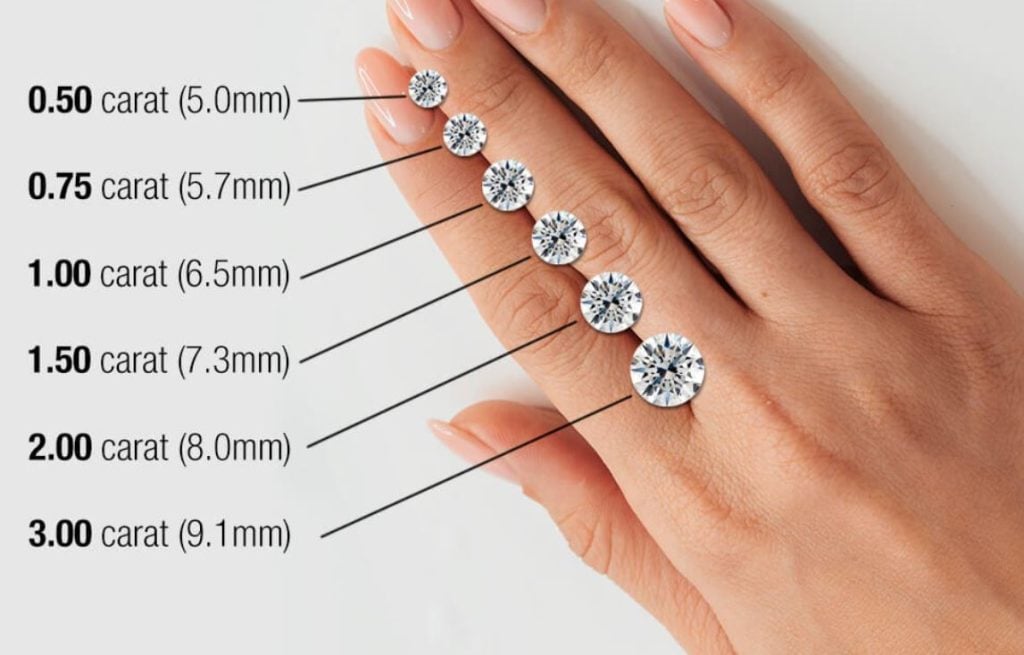
COLOR – Diamond Color (Diamond Grade)
CLARITY – Diamond Clarity
CUT – Diamond Cut (Diamond Craftsmanship Quality)
Other Factors Affecting Diamond Value
What is the Most Important Factor for Evaluating a Diamond?
Jemmia's High-Quality GIA Diamonds with the 4Cs Standard