








The Truth Behind 6 Rumors About the Precious Koh-I-Noor Diamond
Key Takeaways
- Koh-i-Noor (Mountain of Light), considered a unique and beautiful diamond. However, many may not know that it has caused centuries of gossip and conspiracies.Koh-i-Noor diamondWhy is the Koh-i-Noor diamond famous?Koh-i-Noor (Mountain of...

Koh-i-Noor (Mountain of Light), considered a unique and beautiful diamond. However, many may not know that it has caused centuries of gossip and conspiracies.
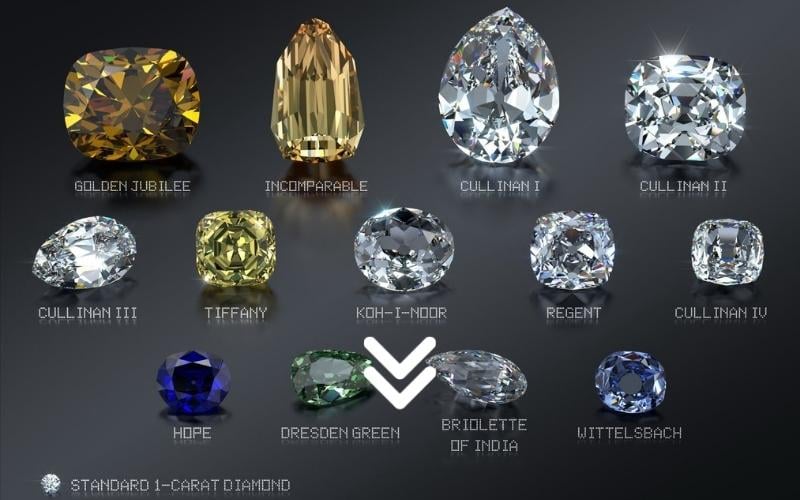
Koh-i-Noor diamond
Why is the Koh-i-Noor diamond famous?
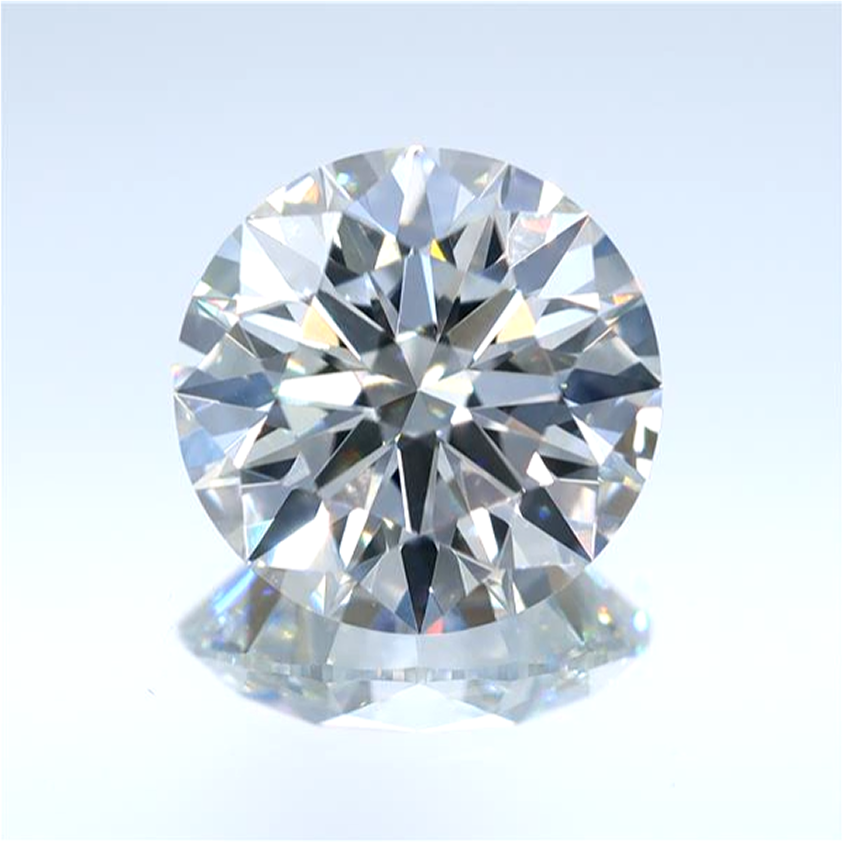
Koh-i-Noor (Mountain of Light) is one of the most legendary diamonds in the world. It has been the cause of conquests and subjugations for centuries, as it passed through the hands of the Kakatiyas, Rajputs... It once belonged to Emperor Shah Jahan (1592 – 1666)
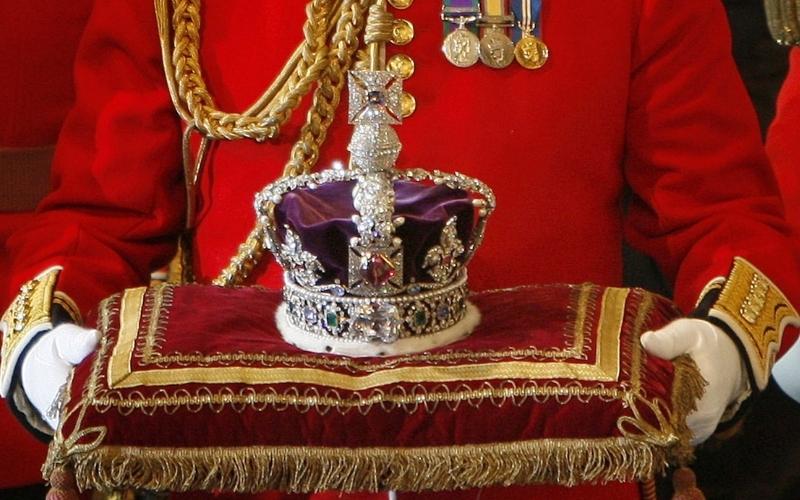
The 105-carat stone fell into British hands in the mid-19th century. It then became the centerpiece of the British Crown Jewels, and the crown is currently on display at the Tower of London.
The question of ownership of the world's largest diamond has been a constant debate and a hot topic for years. For many Indians, the British stole this diamond.
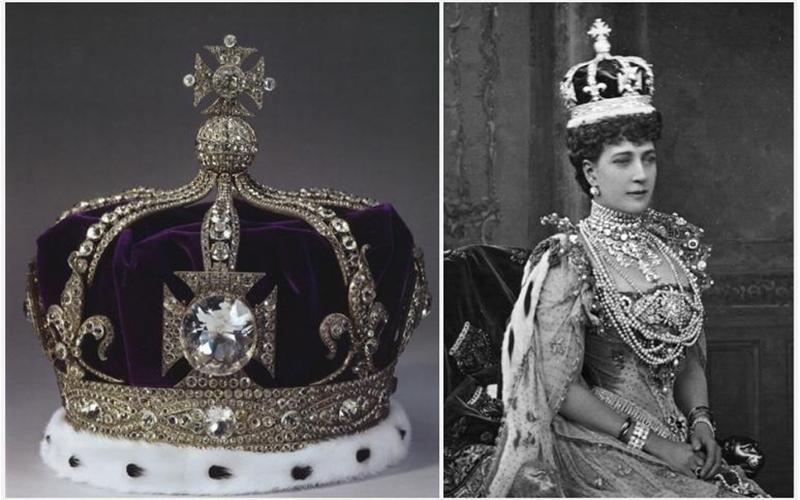
Koh-i-Noor is set on the Crown Jewels, now on display in London
Rumor 1: Koh-i-Noor is the most precious diamond in India
The truth: That may not be true, because when the 190.3-carat Koh-i-Noor diamond arrived in England, there were two other precious stones: the Darya-i-Noor, estimated at 175 – 195 carats, currently kept in Tehran.
The other is the Great Mughal diamond, a famous 189.9-carat diamond found in the city of Orlov, India, and it is one of the largest diamonds ever found in India.
All three jewels were taken out of India as spoils of war during the invasion of Persian king Nader Shah in 1739. Only in the early 19th century, when Koh-i-Noor reached Punjab, did its golden age begin.
Rumor 2: Koh-i-Noor is a flawless gem
The truth: The original Koh-i-Noor diamond was the largest, most perfect, and most famous diamond in the world. It may have been the most valuable stone in the world, but it was also a large object with flaws. A gem missing a necessary part in its core will always be imperfect.
The Koh-i-Noor diamond is the largest cut diamond in the world and is ranked as one of the most valuable diamonds in history. However, when compared to the two Cullinan diamonds at the Tower of London, its size is more modest than imagined.
Queen Alexandra with the Koh-i-Noor set on her crown
Rumor 3: Koh-i-Noor originated from the Kollur mine in India in the 13th century
The truth: History does not accurately record the exact location where the diamond was discovered, and its origin remains a mystery to this day.
Locals say it was the Syamantaka gem, a rare gem from the Bhagavad Purana. It is one of the extremely famous deities in Hindu temples, so Koh-i-Noor can also be considered a divine stone.
The diamond was not discovered in a mine but was found in the alluvial deposits of a dried-up riverbed, possibly in southern India.
Rumor 4: Koh-i-Noor is the most valuable treasure of the Mughal Empire
The truth: Hindus and Sikhs preferred diamonds, while Mughals and Persians preferred large, shiny, uncut gemstones. Koh-i-Noor is one of the most valuable stones in the Mughal treasury.
Gemstones were the most precious items these tribes possessed. These unusual gems were discovered in their lands and in other regions. The stones are extremely rare, unique, and valuable. They are called "diamonds of Badakhshan" or "red spinel" due to their red color. Red spinels, extracted from red jade in disputed territories like the disputed area of Nagaland and Myanmar, are called 'Badakhshan gold'.
In fact, Humayun, the exiled Mughal emperor, even presented the Babur diamond, which many believe to be the Koh-i-Noor, to King Tahmasp of Persia.
It is said that the gem was returned to its origin, but no one knows when or how it returned to its Mughal homeland.
Rumor 5: Mughal Emperor Muhammad Shah Rangila had the Koh-i-Noor stolen through a turban exchange ritual
The truth: The story commonly told has two legends. One is that the gem that the Mughal Emperor hid in his turban was thrown out, and the Persian king Nader took it.
Secondly, Nader used the turban exchange ritual to steal the Koh-i-Noor, which the Mughal Emperor had hidden in his turban.
According to Persian historians, the Mughal king could not hide the gem on his person. The Koh-i-Noor was a diamond from the Mughal Empire and was once part of the design of the peacock's head on the Peacock Throne, a true Mughal heirloom that was later usurped by the Persians.
Rumor 6: Koh-i-Noor was cut and polished rather clumsily by a Venetian artisan, significantly reducing its size
The Mughal Jewelry collection is one of the most exquisite collections ever created. The jewelry is made from diamonds and precious metals. The jeweler Hortensio Borgio used hand-engraving techniques on diamonds and then used it to engrave intricate patterns on precious metals. The exquisite art and skill required for this process make it one of the most unique processes, however, it also causes a significant loss of the diamond during its creation.
The fate of the Koh-i-Noor is not the same as the Orlov Diamond. The Great Mughal (Orlov) diamond was found in the Kremlin in Moscow, Russia.
Jemmia Diamond – Reputable Diamond Purchasing Address
JEMMIA DIAMOND is a diamond expert, a company authorized by the Gemological Institute of America (GIA) to import and distribute genuine GIA-certified diamonds. Therefore, diamonds purchased at Jemmia always have clear origins, guaranteed quality, worldwide credibility, and global value.
Jemmia's natural diamond price list is the most competitive on the market, along with an attractive buyback – exchange policy. Come to JEMMIA DIAMOND now. We believe our experienced consulting team will help you choose the diamond you desire.
Customers choose to buy diamond jewelry at Jemmia Diamond House, address: 72 Nguyen Cu Trinh, Pham Ngu Lao Ward, District 1, Ho Chi Minh City
For any inquiries, please contact:
Showroom System: OPEN 9:00 AM – 9:00 PM (including Sundays and holidays)
- Ho Chi Minh City: 72 Nguyen Cu Trinh, Ward Pham Ngu Lao, District 1
- Hanoi City: 63 Kim Ma, District Ba Dinh
Hotline:
- HCM Branch: 0838 353 333 (ext 1)
- HN Branch: 0838 353 333 (ext 2)