

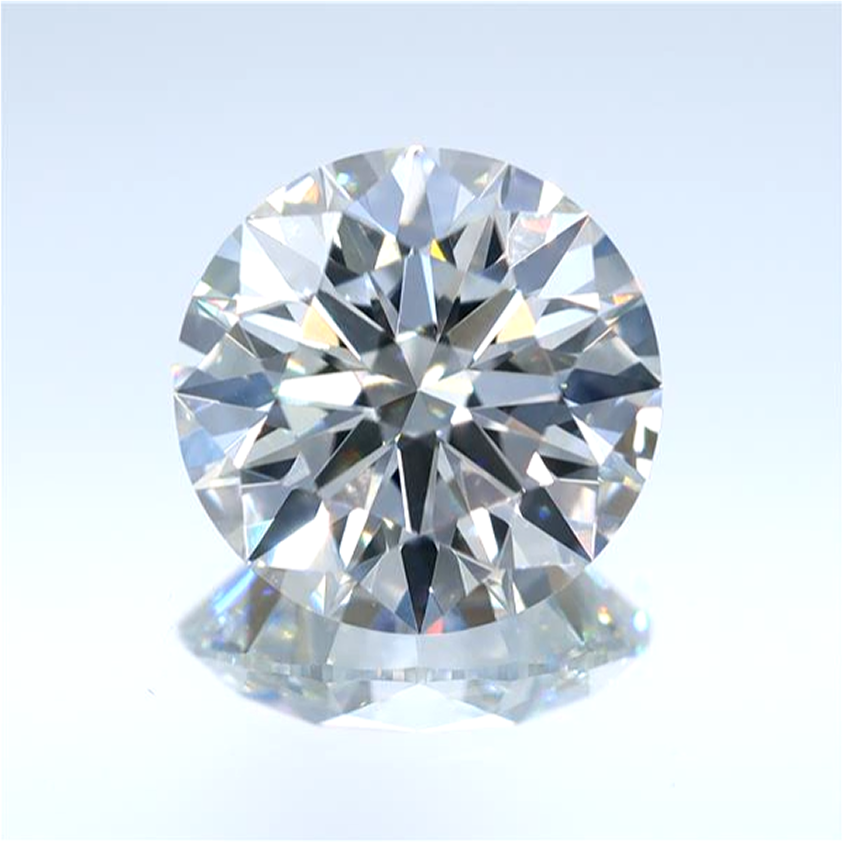










Top 25 Diamond Flaws Buyers Most Easily Overlook That Affect Value
Key Takeaways
- Many diamond buyers focus only on Carat or cut quality, overlooking serious clarity flaws. In reality, these imperfections directly affect the diamond's structure and durability, thus impacting its investment value and long-term...

Many diamond buyers focus only on Carat or cut quality, overlooking serious clarity flaws. In reality, these imperfections directly affect the diamond's structure and durability, thus impacting its investment value and long-term liquidity.
In this article, diamond expert Jemmia Diamond will help you identify important diamond flaws, understand their impact on value, and how to check for them even when they are not visible to the naked eye.
What are diamond flaws?
Below is a detailed comparison table of Blemishes and Inclusions:
Characteristic | Blemish | Inclusions |
Nature | Are defects, structural weaknesses of the diamond's crystal. | Are characteristics or substances located inside |
Location | Appear on the outer surface of the diamond. | Located inside the diamond. |
Cause of formation | Can be natural or due to cutting, polishing, or usage | Formed naturally during the diamond's growth process underground. |
Possibility of removal/alteration | Some minor blemishes can be removed or minimized through re-polishing. | Cannot be removed or altered without re-cutting the diamond (reducing its weight). |
Impact on transparency | Affects the Clarity grade, especially if large or numerous, but usually less than inclusions of the same size. | Directly and strongly affects the Clarity grade, being the main factor determining transparency. |
Impact on durability | Usually has little direct impact on durability, unless it is a deep crack or a large chip. | Some large inclusions, located near the surface or in stressed areas, can affect the diamond's durability. |
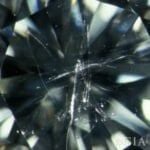
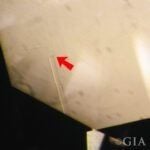
Illustrative images of Blemishes in diamonds
| Abrasion: Small scratches along the edges. |
| Extra Facet: A facet that does not follow the standard cutting style. |
| Lizard Skin: A rough, uneven surface. |
| Natural: A remnant of the original rough diamond surface. |
| Nick: A small notch on the facet junction. |
| Pit: A small indentation resembling a white dot. |
| Polish Lines: Faint lines caused by polishing. |
| Burn Mark: A dull surface caused by high temperature. |
| Rough Girdle: An uneven, granular girdle. |
| Scratch: A thin, faint line on the surface. |
| Surface Graining: Undulating lines caused by unusual crystal structure. |
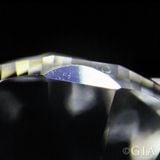
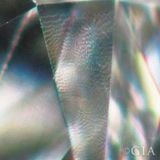
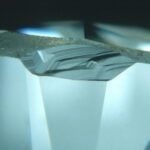
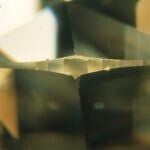
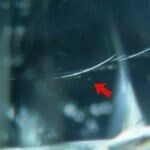
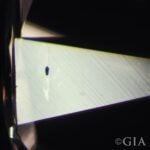
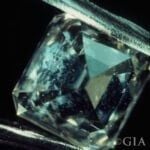
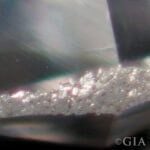
Illustrative images of Inclusions in diamonds
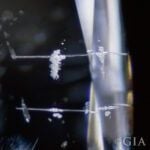
| Crystal: Small mineral crystals, which can be diamond or other gemstones, white, black, or transparent, trapped during the diamond's growth. |
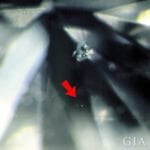
| Pinpoint: A very small crystal, appearing as a tiny dot at 10x magnification. |
| Cloud: A group of small pinpoints clustered together, forming an opaque, cloud-like area that can reduce the overall transparency of the stone. |
| Feather: Refers to an internal crack or fracture within the diamond, often appearing as a milky white and feather-like in shape. |
| Needle: A long, thin crystal resembling a small needle at 10x magnification. |
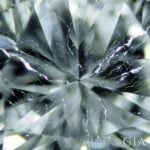
| Internal Graining: Faint lines, angles, or curves caused by uneven crystal growth, which can affect transparency. |
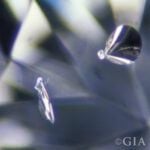
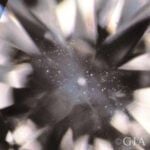
| Cavity: An angular void created when a portion of a crystal breaks away or is removed during polishing. |
| Indented Natural: A part of the original rough diamond's surface that dips below the polished surface of the diamond. |
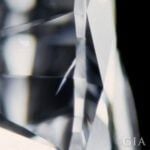
| Chip: A shallow surface chip, typically found at the girdle, facet junctions, or culet. |
| Bruise: A small impact area with tiny fractures, usually occurring at facet junctions. |
| Laser Drill-Hole: A small, straight tunnel through the surface created by a laser to treat dark inclusions. |
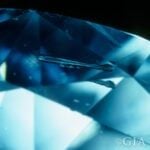
| Twinning Wisp: A streak of pinpoint inclusions, clouds, or crystals formed during the diamond's growth; often associated with structural distortions and twinning planes. |
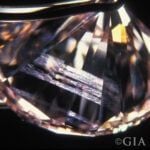
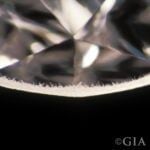
| Bearded Girdle: Tiny fractures (feathers) extending from the girdle into the diamond; often formed during the cutting process. |
Which flaws affect the durability and structure of a diamond?
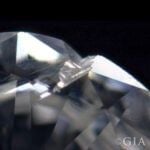
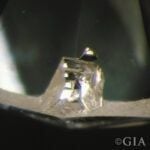
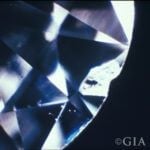
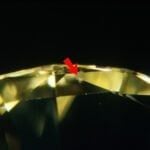
There are certain clarity imperfections that can directly impact the diamond's crystal structure and durability. This is also a group of flaws that professionals pay special attention to, as they can affect the diamond's ability to retain value and its long-term liquidity.
Flaws considered high risk include:
- Indented Natural
- Chip
- Cavity
- Twinning Wisp
- Bearding (Bearded Girdle)
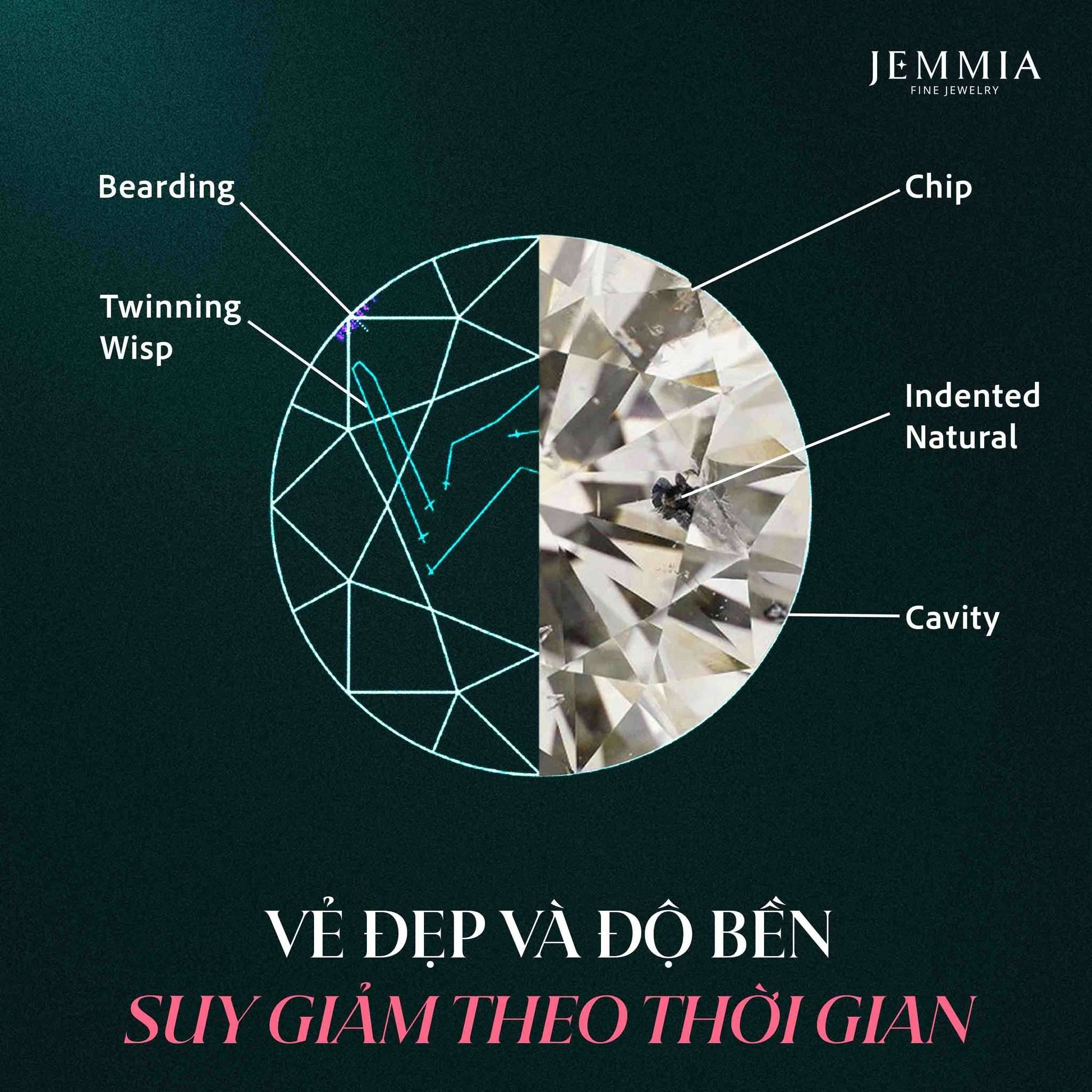
5 serious flaws affecting diamond durability and structure
These flaws can weaken the crystal structure, making the diamond more prone to cracks, chips, or reduced stability upon impact. Concurrently, they also affect the diamond's ability to retain value and its liquidity in the market.
Therefore, even though they may sometimes be difficult to see with the naked eye, flaws related to the structure can still reduce the investment value, resale potential, and liquidity of the diamond in the market.
❌ This is also a category of flaws not included in Jemmia Diamond's diamond selection standards.
FAQ - Frequently Asked Questions
Are diamonds with fewer flaws more valuable?
Which diamond flaws can be seen with the naked eye?
Most clarity flaws can only be observed under 10x magnification according to GIA standards. However, some large flaws or those in easily visible locations such as: Cloud, Feather, Crystal, Chip, Cavity, or Bearding can still affect transparency, brilliance, and may even be visible to the naked eye in some cases.
Not all diamond flaws severely impact the stone's quality. However, imperfections related to structure and durability, such as Chip, Cavity, Bearding, or Indented Natural, can directly affect the stone's ability to retain value and its long-term liquidity.
Therefore, when purchasing a diamond, buyers should not solely focus on Carat or sparkle but should carefully assess the Clarity criterion, especially the location and impact of flaws within the stone. This is also why diamonds at Jemmia Diamond are always selected according to strict standards, prioritizing durability, aesthetic appeal, and long-term value for our customers.