












What are the flaws of diamonds?
Key Takeaways
- The imperfections of diamonds are natural characteristics that exist inside or on the surface of the stone, formed from geological processes over billions of years. Understanding the types of imperfections not only...

The imperfections of diamonds are natural characteristics that exist inside or on the surface of the stone, formed from geological processes over billions of years. Understanding the types of imperfections not only helps you accurately assess the true value of a diamond but also is the secret to choosing a "visually clean" stone within an optimal budget.
Join Jemmia to learn in detail about the types of diamond imperfections and their impact on the aesthetics of jewelry in the following article.
What imperfections do diamonds have?
Diamonds have two main types of imperfections: internal inclusions (Inclusions) and surface blemishes (Blemishes). Most natural diamonds possess these characteristics to a degree visible under magnification or with the naked eye, except for the extremely rare Flawless clarity grade.
Internal Characteristics (Inclusions)
These are impurities or structural flaws located entirely within the diamond:
- Feathers: Small cracks that resemble feathers, which can affect durability if located near an edge.
- Crystals: Other mineral masses enclosed within the diamond during crystallization.
- Pinpoints: Tiny dark spots (often carbon) only visible under 10x magnification.
- Clouds: A group of pinpoints clustered together, making the stone appear hazy or opaque.
External Characteristics (Blemishes)
These are flaws on the surface of the stone, often arising from the cutting process or accidental impacts:
- Scratches: Thin lines on the surface due to improper care.
- Nicks: Small chips or indentations on the girdle, caused by physical impact.
- Naturals: The original rough surface that a diamond cutter retains to optimize weight.
- Polish lines: Extremely fine lines created during the polishing process.
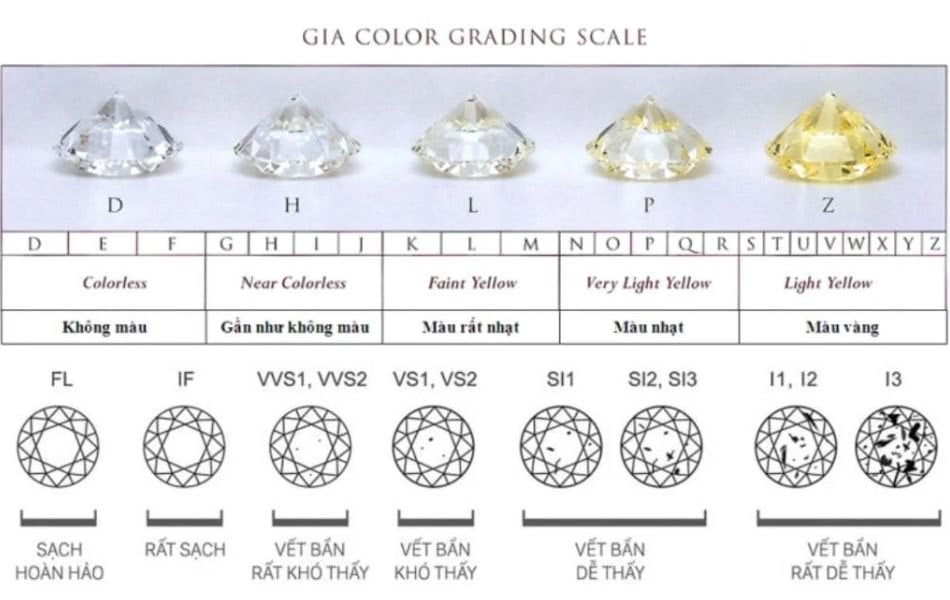
Diamonds have two main types of imperfections: internal inclusions (Inclusions) and surface blemishes (Blemishes).
How do imperfections affect value and aesthetics?
Imperfections directly determine the clarity grade and reduce the commercial value of a diamond. According to market reports from international gemological experts Bain & Company, the price difference between a flawless diamond (FL) and a diamond with minor imperfections (SI1) of the same weight can range from 40% to 60%.
| Influencing Factors | Detailed Impact |
| Economic Value | The difference between a flawless stone (FL) and a flawed stone (SI1) can be up to 40-60% of the value, even with the same size. |
| Sparkle | Large imperfections on the table facet will prevent light from passing through, reducing the diamond's "fire." |
| Aesthetics | Flaws in the VS2 clarity grade and above are usually not visible to the naked eye and do not affect the beauty when worn. |
| Structural Durability | Deep cracks (Feathers) can spread, making the stone more prone to breaking when subjected to strong forces. |
Important considerations when buying diamonds
The key is to choose "eye-clean" diamonds – prioritize those with minor imperfections that are not visible to the naked eye to optimize cost.
- Location of imperfections: Choose stones with flaws located in the pavilion or girdle, which can be easily hidden by the jewelry setting.
- Check the Clarity Plot: Always compare the imperfection diagram on the GIA grading report to avoid stones with large dark spots directly in the center of the table.
- Consider the cut: A diamond with an Excellent cut will reflect light strongly, helping to "hide" minor imperfections more effectively.
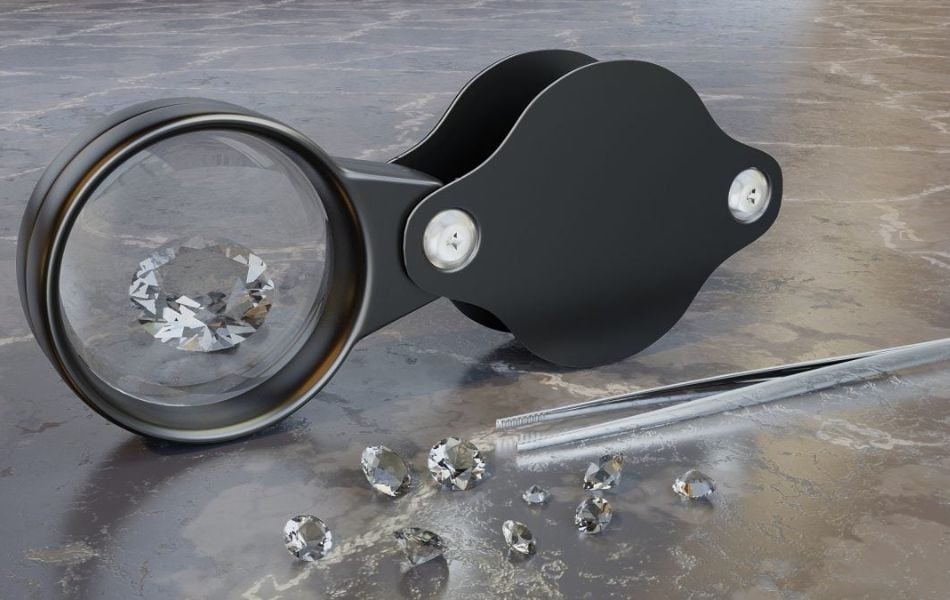
Tips for buying diamonds
Where does the value of natural diamonds lie?
The value of diamonds is determined by their rarity, physical properties, and symbolic meaning. This is a gemstone with absolute hardness (10/10 on the Mohs scale), symbolizing eternity and power.
The core factors determining value include:
- The 4Cs: Weight (Carat), Color (from D to Z), Clarity, and Cut. The closer the color grade is to D and the more perfect the cut, the higher the value.
- Mining costs: The process of mining natural diamonds is extremely arduous and costly, keeping supply limited.
- Spiritual value: Diamonds are a symbol of eternal love and trust. In Feng Shui, they are also believed to dispel negative energy, bringing luck and prosperity to the owner.
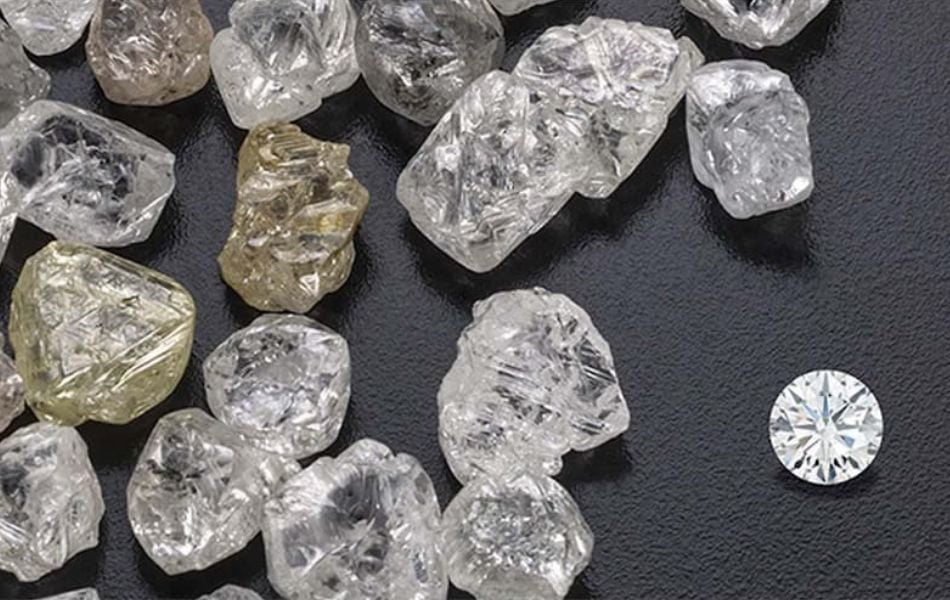
The value of diamonds is determined by their rarity, physical properties, and symbolic meaning
See more: What is an international diamond grading report?
Jemmia Diamond – A reputable diamond retailer
Jemmia is a diamond expert authorized by the Gemological Institute of America (GIA), committed to 100% officially imported products:
- Top quality: Selects only the top 2% of the world's most beautiful diamonds, ensuring no structural flaws and meeting strict 4C standards.
- Modern inspection technology: Uses 100% GIA equipment (GIA iD100, Match iD...) to verify the origin and natural characteristics of each stone.
- Transparent legal status: 100% officially imported diamonds, with complete VAT invoices and customs declarations, protecting long-term investment rights.
- Ethical responsibility: All products comply with the Kimberley Process, committed to not using diamonds mined from conflict zones.
- Optimal policies: Public, transparent price lists along with the best buy-back and exchange policies in the market, giving customers peace of mind when upgrading their products.

Jemmia - A reputable diamond retailer
Imperfections are inherent natural characteristics of diamonds and do not diminish the unique value of the stone. In fact, microscopic imperfections are completely invisible to the naked eye and do not affect the aesthetic beauty of jewelry.
Understanding the nature of inclusions and blemishes helps you make wiser choices for "eye-clean" diamonds, thereby optimizing your budget while still owning a luxurious and valuable item.