









What is a 100-facet diamond? Comparison of 100 and 57 facets
Key Takeaways
- Usually, we often hear about diamonds with 57 - 58 facets, but have you ever seen a diamond with 100 facets? So, do more facets make a diamond more brilliant? Let's join...

Usually, we often hear about diamonds with 57 - 58 facets, but have you ever seen a diamond with 100 facets? So, do more facets make a diamond more brilliant? Let's join Jemmia to learn about 100-facet diamonds in the article below:
What is a 100-facet diamond?
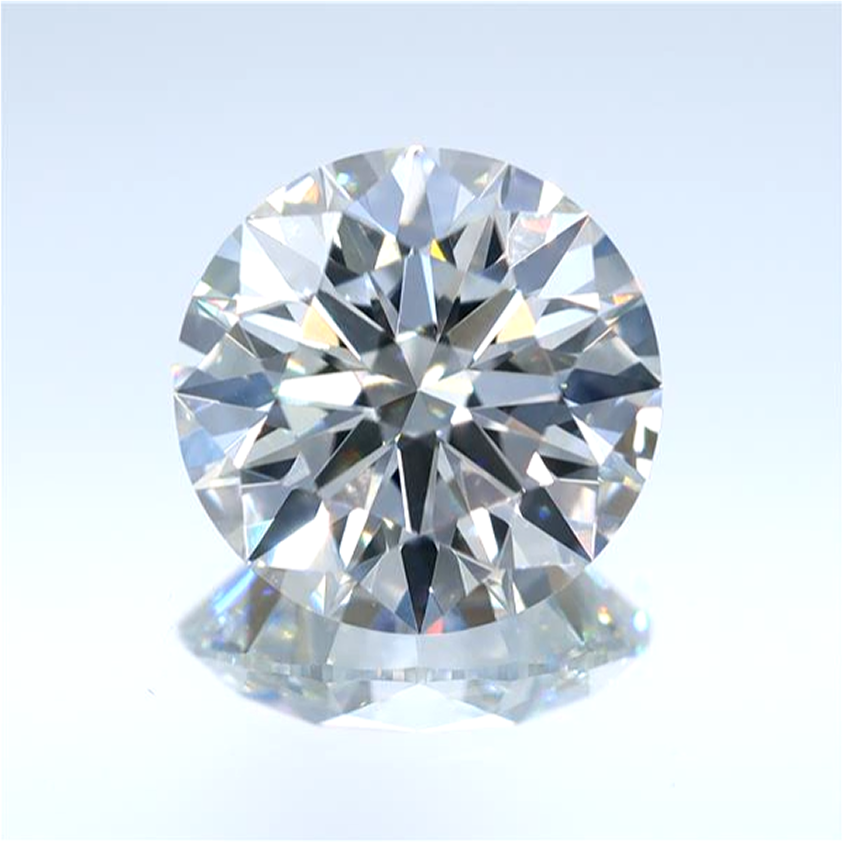
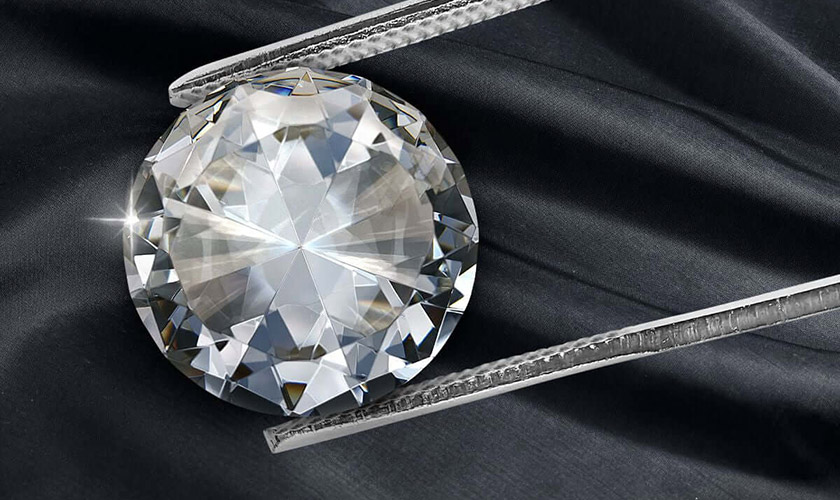
A 100-facet diamond is a diamond cut with 100 facets, instead of the standard popular cut of 57 or 58 facets (as in the brilliant cut – perfect round). This is a special cut, designed to optimize the sparkle and light reflection of the diamond, providing superior brilliance compared to traditional cuts.
With more facets, the diamond can reflect light in multiple directions, creating a more sparkling effect. Cutting 100 facets requires high craftsmanship and modern technology, so the manufacturing cost is usually higher.
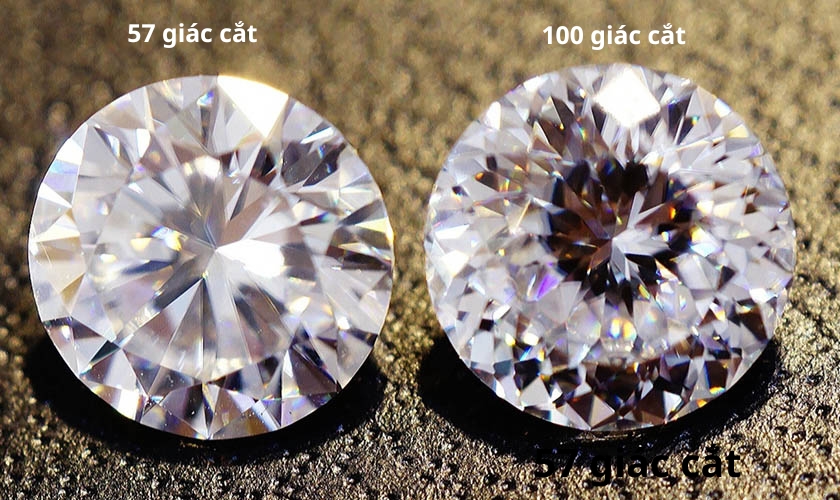
57-facet diamond and 100-facet diamond
Structure and cutting technique of 100-facet diamonds
100-facet diamonds are crafted with a special structure, meticulously distributed on both the crown and pavilion of the stone. Typically, the crown of the diamond will have about 57 facets, arranged scientifically to optimize light reflection.
Meanwhile, the pavilion has 43 facets, with angles and proportions carefully calculated to diffuse light back to the observer's eye, creating a brilliant sparkle and amazing depth.
The cutting technique requires absolute precision from skilled artisans to ensure each facet contributes to the overall beauty of the diamond.
See more: What is Diamond Faceting? Common Diamond Cuts
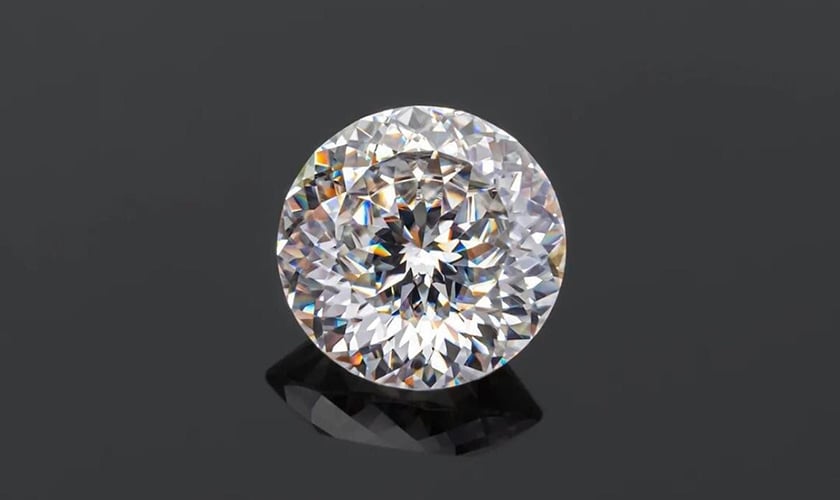
Origin of 100-facet diamonds
The 100-facet diamond cut, Cento, developed by Italian jewelry designer Roberto Coin, was first introduced in 2003. After years of research and collaboration with leading diamond cutters, he created a unique cut with a total of 100 facets - nearly double that of the traditional 57-facet diamond cut.
He named the cut Cento, an Italian word meaning "100," symbolizing completeness and perfection. Each Cento diamond has 37 facets on the crown and 63 facets on the pavilion, creating a brilliant and impressive light reflection effect.
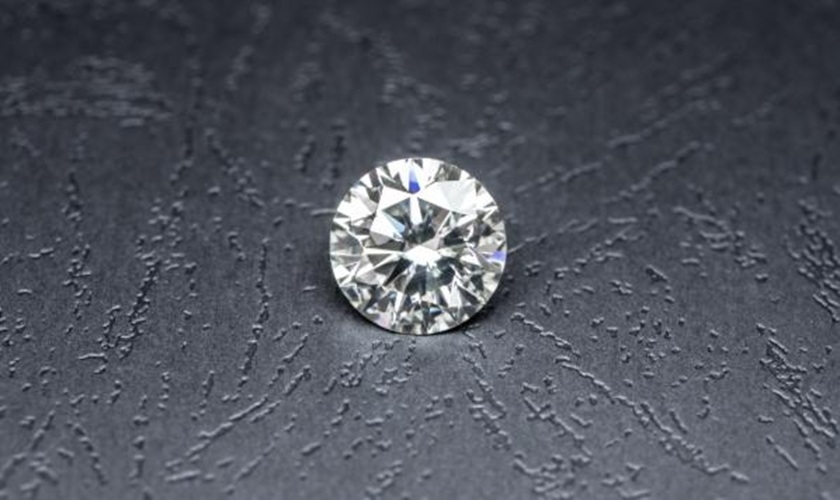
The increase in the number of facets in the Cento diamond cutting technique aims to achieve three main goals: enhancing brilliance through optimal light reflection and refraction; creating intricate symmetrical patterns resembling a blooming flower, highlighting the diamond's unique beauty; and elevating aesthetic and artistic value through a complex and technically demanding crafting process.
Outstanding advantages of 100-facet diamonds
100-facet diamonds stand out with their exceptional advantages, offering perfection in both aesthetics and value. Firstly, the increased number of facets provides the diamond with superior sparkle and light-absorbing capabilities, creating brilliant light reflections that make the stone more radiant and captivating.
A strong visual effect under light is another strength, as light is reflected from various angles, creating a changing beauty with each perspective. Additionally, the 100-facet cut structure enhances the depth and 3D beauty of the stone, giving it a vibrant and impressive appearance, making the diamond stand out and be full of allure in any situation.

Notes when choosing to buy 100-facet diamonds
Here are some notes you should consider when choosing to buy a 100-facet diamond:
- Check the origin: Before deciding to buy, confirm the origin and related documents for the 100-facet diamond.
- Consider the balance between the number of facets and overall quality (4Cs): Although 100-facet diamonds have impressive brilliance, you should also consider the overall quality of the stone. Besides the number of facets, the factors in the 4Cs standard (Carat - Weight, Cut - Quality of cut, Clarity - Purity, Color - Hue) also affect the beauty and value of the diamond.
- Carefully examine the actual light effect: Each diamond may have different light effects depending on its cut and structure. Therefore, you should examine the diamond under various light sources to accurately assess its sparkle, reflection, and dispersion of light.
Frequently asked questions about 100-facet diamonds
Are 100-facet diamonds better than 57-58 facet diamonds?
Are 100-facet diamonds GIA certified?
With the information about 100-facet diamonds that Jemmia shares, we hope you have gained interesting and useful insights into this type of diamond. Don't forget to follow Jemmia regularly to not miss other valuable articles about diamonds, gemstones, and the latest jewelry trends.