









What is a Good Cut Diamond? Should You Buy One?
Key Takeaways
- In the GIA grading system, the Good cut grade is considered average, higher than Fair and Poor, but does it meet optimal aesthetic standards? So what are the characteristics of a Good...

In the GIA grading system, the Good cut grade is considered average, higher than Fair and Poor, but does it meet optimal aesthetic standards? So what are the characteristics of a Good cut diamond? Should this grade be chosen when buying diamonds? Let's analyze in detail with Jemmia in the article below.
What is a Good cut?
Cut is one of the 4 important factors (4Cs) that determine a diamond's value, along with weight (Carat), color, and clarity.
In the GIA (Gemological Institute of America) diamond grading system, cuts are ranked from highest to lowest as: Excellent, Very Good, Good, Fair, and Poor. A Good cut grade is considered average, indicating that the diamond has been fashioned to an acceptable technical standard, but not optimally for light performance and brilliance.
Specifically, Good cut diamonds may have issues such as:
- Geometric proportions are not perfectly balanced, causing uneven light reflection.
- The facet angles are slightly shallow or too deep, leading to light leakage through the pavilion or dark areas appearing on the surface.
- The "fire" and scintillation effects are duller compared to higher grades.
While they still have a certain degree of brightness and can be used in some simple jewelry designs, Good cut diamonds are generally not preferred in the high-end segment, especially for products that require perfect beauty or have investment value.
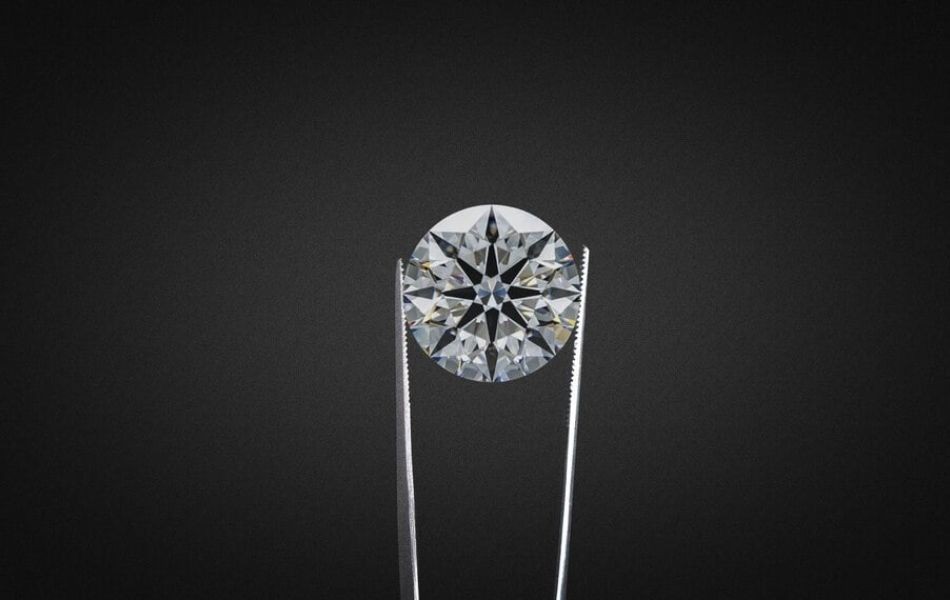
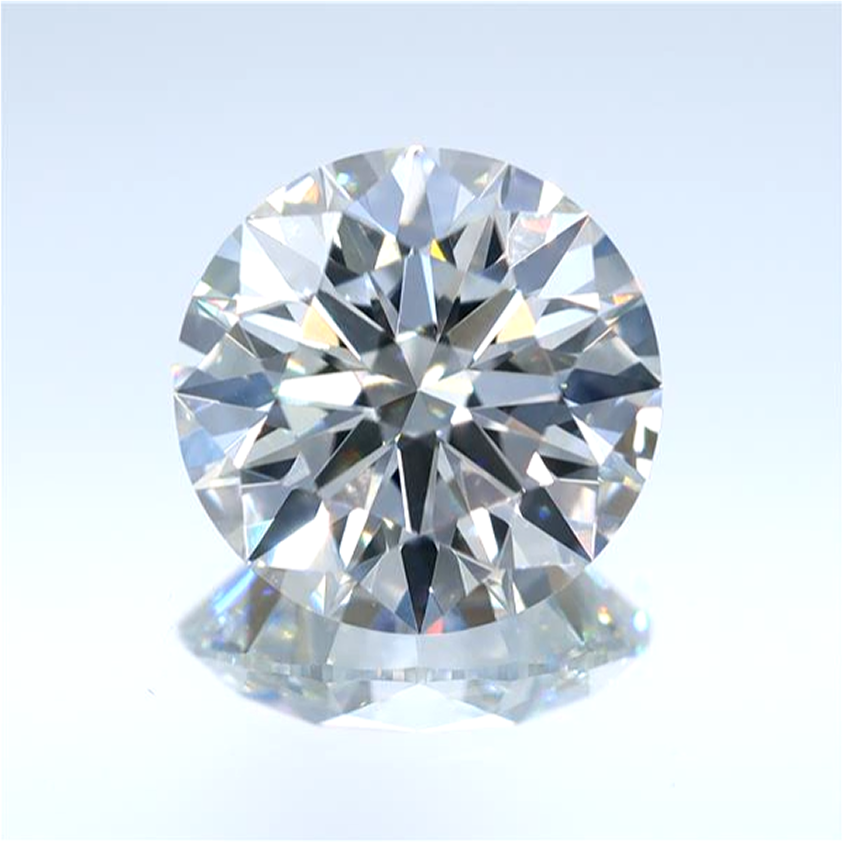
Good Cut
Comparison of Good Cut grade diamonds with other grades
The Good cut is the third-highest grade, following Very Good and Excellent. So, compared to other grades, what are the advantages or disadvantages of diamonds in this grade? Let's follow the comparison table below to understand better:
Cut Grade | Light Reflection Capability | Overall Aesthetics | Advantages | Disadvantages |
Excellent (Xuất sắc) | Light is optimally reflected, strong and even. Fire, brightness, and scintillation effects are at their highest | Brilliant, sharp from all angles. No dark areas or light leakage | - Highest technical standard - Maximizes visual beauty - Good investment value retention - Ideal for high-end jewelry | - High price - Inaccessible for average budgets |
Very Good (Rất tốt) | Reflects light effectively, but may be slightly reduced compared to Excellent. Some light angles are not perfectly uniform | Beautiful, clearly sparkling but may lack "depth" or have slightly unbalanced light effects | - High quality, close to Excellent - More accessible in terms of cost - Still suitable for high-end jewelry | - Some weak light angles - Lacks maximum brilliance - Less preferred for long-term investment |
Good (Tốt) | Light is reflected relatively. More light escapes | Moderately sparkling, lacks "fire" or depth when viewed from oblique angles. Weak light areas may appear | - Significantly lower cost - Can be used for small jewelry or simple designs | - Aesthetics are noticeably reduced - Brightness and effects lack vibrancy - Not suitable for investment or high-end products |
Fair (Trung bình) | Significantly limited. Much light leaks out and does not return to the observer's eye | Lacks brightness, prone to a "dull," "foggy" effect, making no visual impression | - Lowest price - Mainly used for small stones, industrial diamonds | - Does not meet aesthetic requirements - Not suitable for primary jewelry - Difficult to resell, does not retain value |
Poor (Kém) | Low. Much light is lost, the stone appears dull | Almost no sparkle. Does not meet basic aesthetic requirements | - Cheapest price | - Does not meet aesthetic and investment requirements - Difficult to resell |
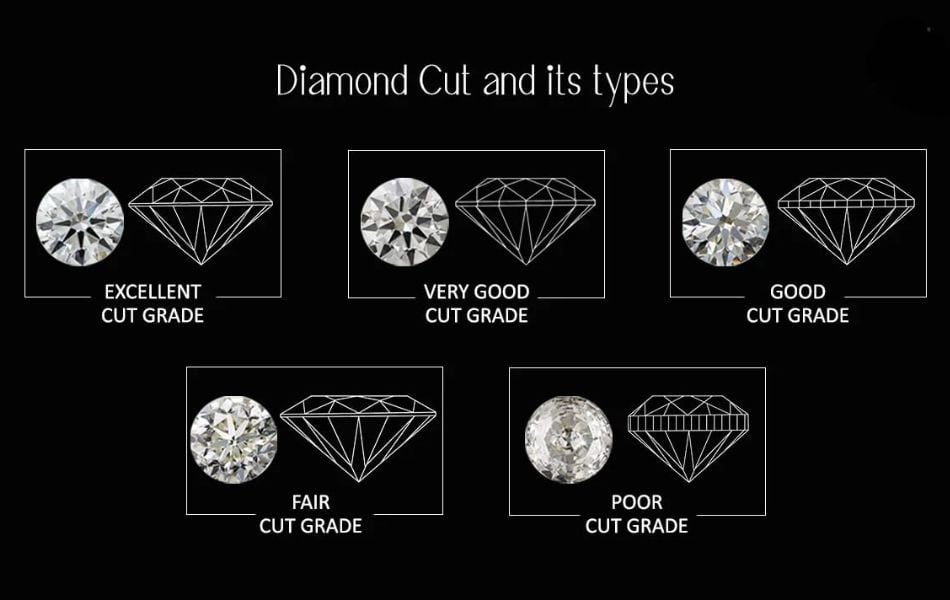
Comparison of diamond cut grades
See also: Should You Buy a Diamond Ring? Buying Tips?
Should you invest in Good cut grade diamonds?
Many people ask: Is the "Good" cut grade ideal for investment? Here is a detailed analysis:
- Poor light performance: Good cut diamonds do not reflect light optimally, lacking brilliance, which significantly reduces their aesthetic appeal.
- Difficult to resell, low liquidity: In the market, buyers often prefer diamonds with cuts from Very Good upwards. Stones cut at the Good level are usually difficult to appraise at a high value when resold.
- Low investment value: Although the initial purchase price is lower, the retained value and growth are almost negligible. The difference between the purchase price and the selling price is unfavorable.
- Does not meet international investment standards: Major brands and exchanges often only accept diamonds graded from Very Good to Excellent Cut (according to GIA). Good cut stones rarely meet their standards.
- Modern customers are increasingly discerning: The current market values perfection in cut quality. Diamonds that do not meet Excellent or Very Good standards are generally not highly regarded, either for collection or investment.
Therefore, it is not advisable to invest in Good cut grade diamonds due to their low aesthetic value, difficulty in reselling, and failure to meet sustainable investment standards. If you intend to buy diamonds for investment or asset preservation, you should prioritize Excellent or at least Very Good cuts with reputable GIA certification.
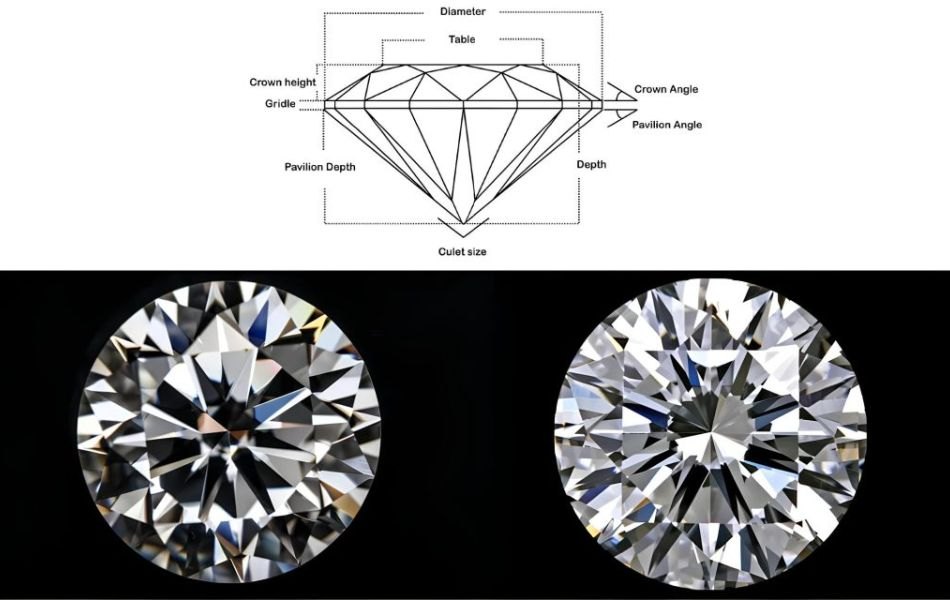
Good cut diamonds are not preferred
See also: What is a Diamond Certificate?
What is a Good cut diamond? has been explained in detail above. It is a good choice for those who want to own a beautiful diamond at a reasonable price. However, you should carefully consider your needs and budget before deciding to buy. Feel free to explore natural diamonds at jemmia.me if you have any further questions!