






What is a Poor Cut? Should you buy it?
Key Takeaways
- Within the rating scale from Excellent to Poor, the Poor cut grade is considered the lowest level, reflecting poor polishing quality. So, are Poor cut diamonds worth buying? The following article from...

Within the rating scale from Excellent to Poor, the Poor cut grade is considered the lowest level, reflecting poor polishing quality. So, are Poor cut diamonds worth buying? The following article from Jemmia will help you understand more about the Poor cut and the risks if you choose this grade.
What is a Poor grade cut?
Cut in diamonds is not just the shape but also reflects how a diamond is polished to optimize light reflection. In the GIA rating scale, the cut grades are divided from highest to lowest as follows:
Excellent → Very Good → Good → Fair → Poor
Among these, the Poor cut is the lowest grade, with the following characteristics:
Characteristics of Poor cut diamonds:
- Poor light reflection: The diamond does not capture light well, lacking the brilliant sparkle expected. Light enters and is lost through the facets or does not reflect at the correct angles, making the stone appear dull and lifeless.
- Asymmetrical cut proportions: The diamond may be cut too shallow or too deep, reducing its symmetry and balance – crucial elements for a perfect appearance.
- Very low aesthetic value: Even with high color (Color) and clarity (Clarity) grades, a diamond with a Poor cut will not be visually appealing.
- Cheap but not worth buying: Poor grade diamonds are often much cheaper but are not suitable for fine jewelry or investment.
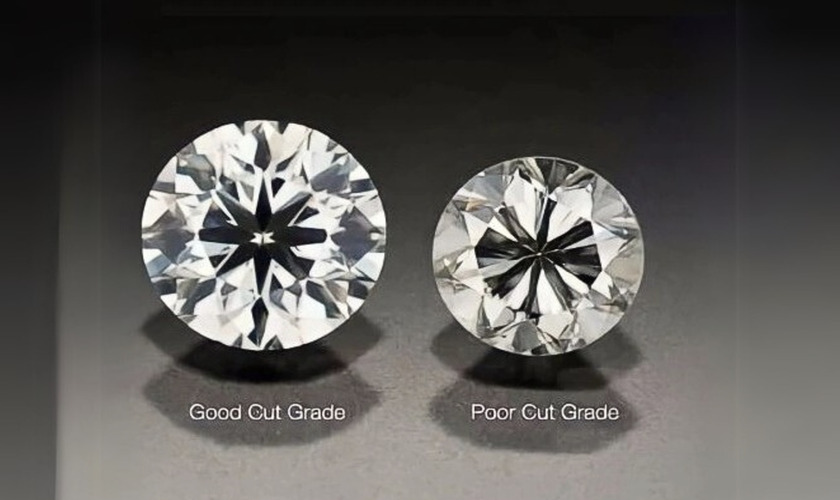
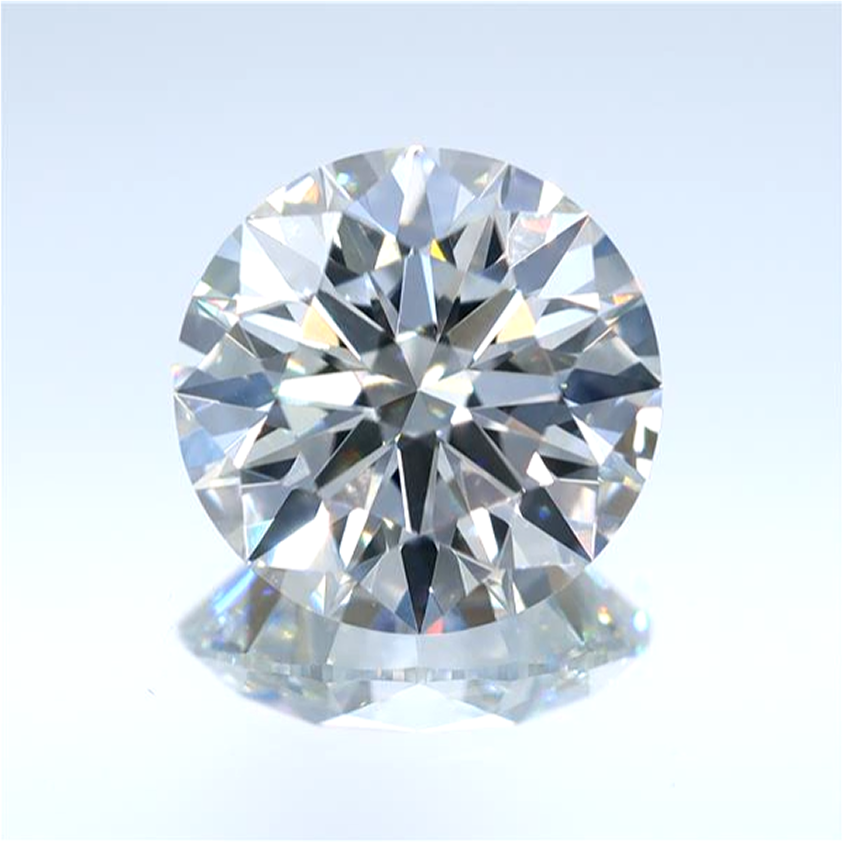
Poor cut is much less brilliant than Good
See also: Top 10 outstanding ring designs for Summer 2025 you shouldn't miss
Comparing Poor cut diamonds with other grades
Compared to other grades, what are the advantages or disadvantages of Poor cut diamonds? Let's follow the comparison table below to understand more:
Cut Grade | Light Reflection Capability | Overall Aesthetics | Advantages | Disadvantages |
Excellent | Light is reflected optimally, strongly and evenly. Fire, brightness, and scintillation effects are at their highest levels | Brilliant, sharp from all angles. No dark areas or light leakage | - Highest technical standard - Maximizes visual beauty - Good investment value retention - Ideal for fine jewelry | - High price - Difficult to access on an average budget |
Very Good | Reflects light effectively, but may be slightly less than Excellent. Some bright areas are not perfectly uniform | Beautiful, clearly sparkling but may lack "depth" or have slightly unbalanced light effects | - High quality, close to Excellent - More accessible in terms of cost - Still suitable for fine jewelry | - Some bright areas are weaker - Lacks maximum brilliance - Less preferred for long-term investment |
Good | Light reflects reasonably. More light escapes | Moderately sparkling, lacking "fire" or depth when viewed at oblique angles. Weak bright spots may appear | - Significantly lower cost - Can be used for small jewelry pieces or simple designs | - Aesthetics significantly reduced - Brightness and effects lack vibrancy - Not suitable for investment or high-end products |
Fair | Significantly limited. Much light leaks and does not return to the viewer's eye | Lacks brightness, prone to a "dull," "cloudy" effect, creating no visual impression | - Lowest price - Mainly used for accent stones, industrial diamonds | - Does not meet aesthetic requirements - Not suitable for main jewelry - Difficult to resell, does not retain value |
Poor | Low. Significant light loss, the stone appears dull | Almost no sparkle. Does not meet basic aesthetic requirements | - Lowest price | - Does not meet aesthetic or investment requirements - Difficult to resell |
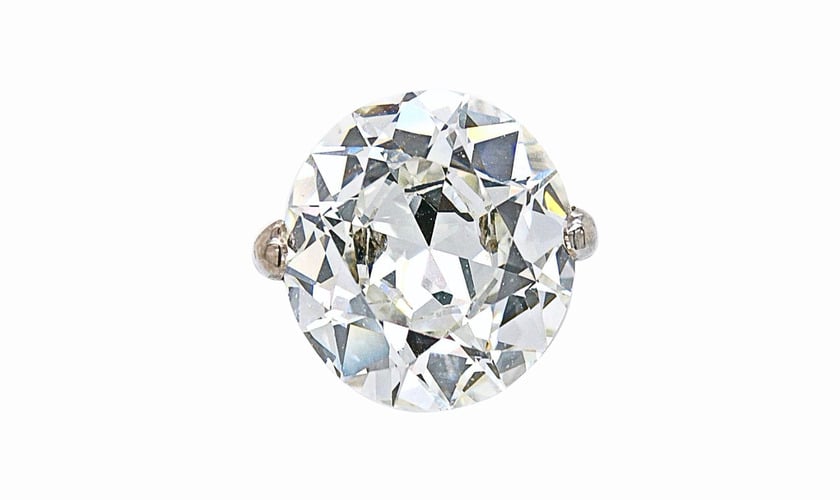
Comparison of Poor cut diamonds with other grades
Should you invest in Poor cut diamonds?
Diamonds with a Poor cut grade are not suitable for investment in any form – whether for asset preservation, profit generation, or long-term savings.
Why should you not invest in Poor cut diamonds?
- Almost no sparkle: A Poor cut causes almost all light to be lost. The diamond looks dull, lacks brilliance, and is unattractive to the naked eye.
- Very low market value: Poor cut diamonds are usually priced low, with almost no potential for price appreciation over time, and are extremely difficult to liquidate.
- Does not meet international investment standards: Most reputable grading institutions and trading platforms worldwide only accept diamonds with an Excellent or at least Very Good cut. Poor cuts are not considered legal or reliable investment products.
- Not popular in the Vietnamese market: Both buyers of fine jewelry and investors in Vietnam prioritize diamonds with a Good cut or higher. Poor cuts are considered "rejects," mainly used for industrial purposes.
When can you buy Poor cut diamonds?
- Only when used for industrial design, mass-produced low-cost items, or for mock jewelry that does not require high aesthetic standards.
- Do not buy with the expectation of retaining value, investing, or passing down to future generations.
In summary, diamonds with a Poor cut grade are not a suitable choice for investment purposes. Although the initial price may be low, their aesthetic value, value retention, and liquidity are very limited.
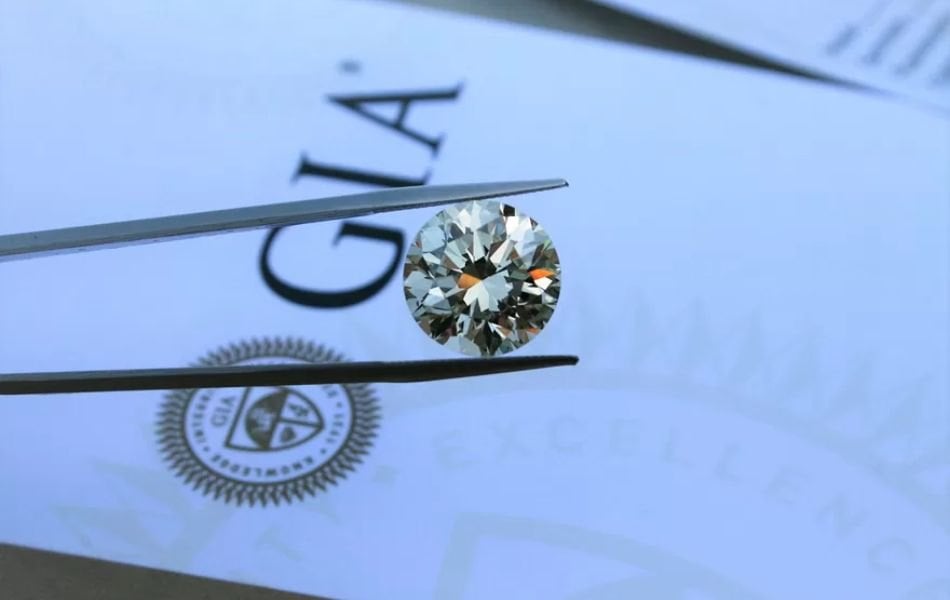
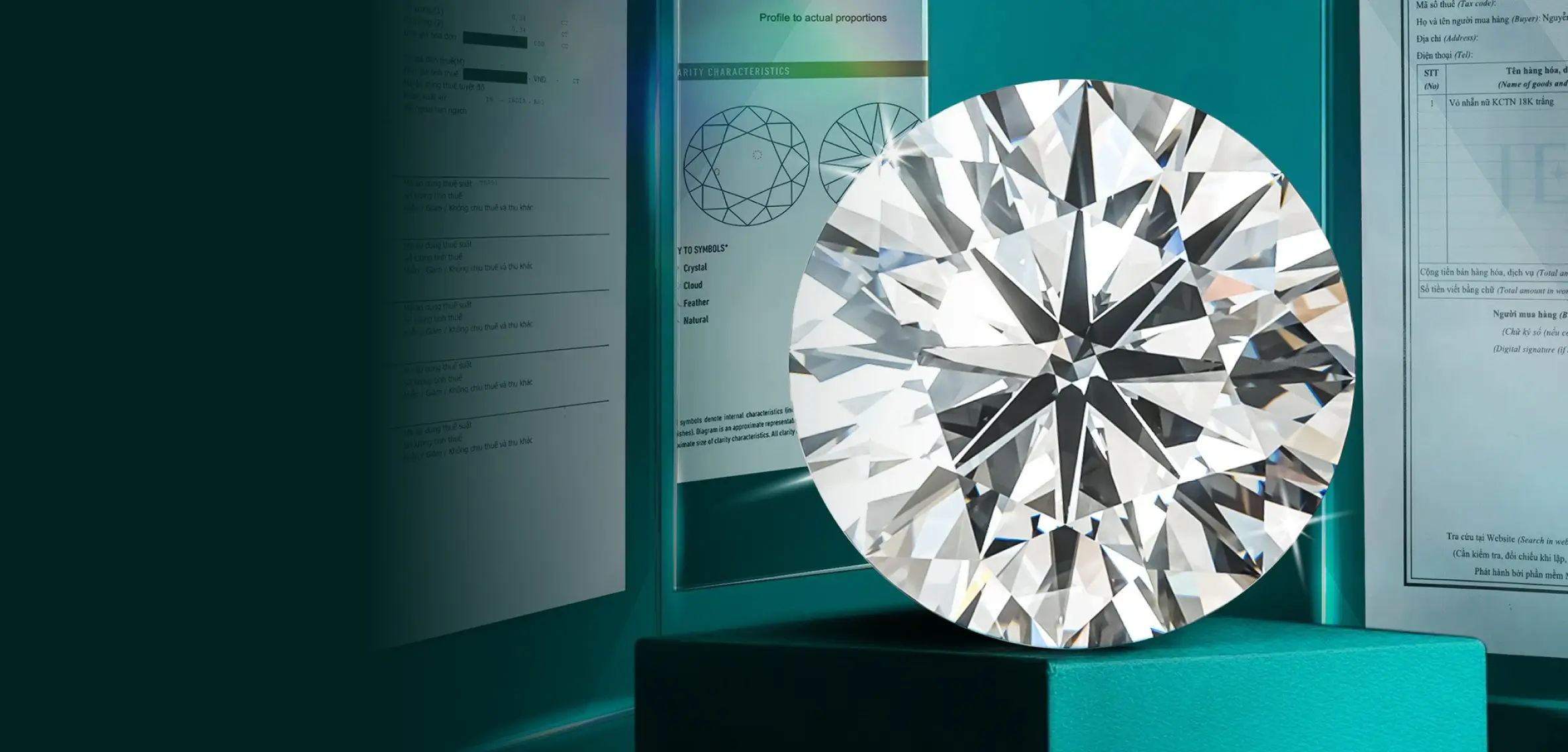
Do not invest in Poor cut diamonds
Where to buy diamonds reliably?
Currently, diamonds are a trend for many enthusiasts, especially those who love diamond jewelry and wish to own them. However, choosing a place to buy requires careful consideration.
Jemmia is proud to be a reputable diamond supplier committed to quality. It is a high-end, professional brand for diamond jewelry. You will receive many benefits when shopping here:
- 100% natural diamonds, imported directly by Jemmia. Especially natural diamonds with GIA certificates.
- Diverse designs, personalized by custom design, suitable for all needs.
- Favorable and transparent diamond price list.
- Professional and dedicated consulting services from staff and industry experts.
- Notably, Jemmia has made many contributions and received numerous awards in the industry.

Jemmia is always ready to accompany you in finding the perfect diamond that suits your taste and budget.
See also: What is a D color diamond? Why is owning one the most prestigious?
If you are looking for a stable asset that is easy to transfer and has profit potential, you should prioritize diamonds with cuts from Very Good to Excellent, certified by reputable organizations like GIA.
Refer to other articles from Jemmia to gain more in-depth knowledge about diamonds.