

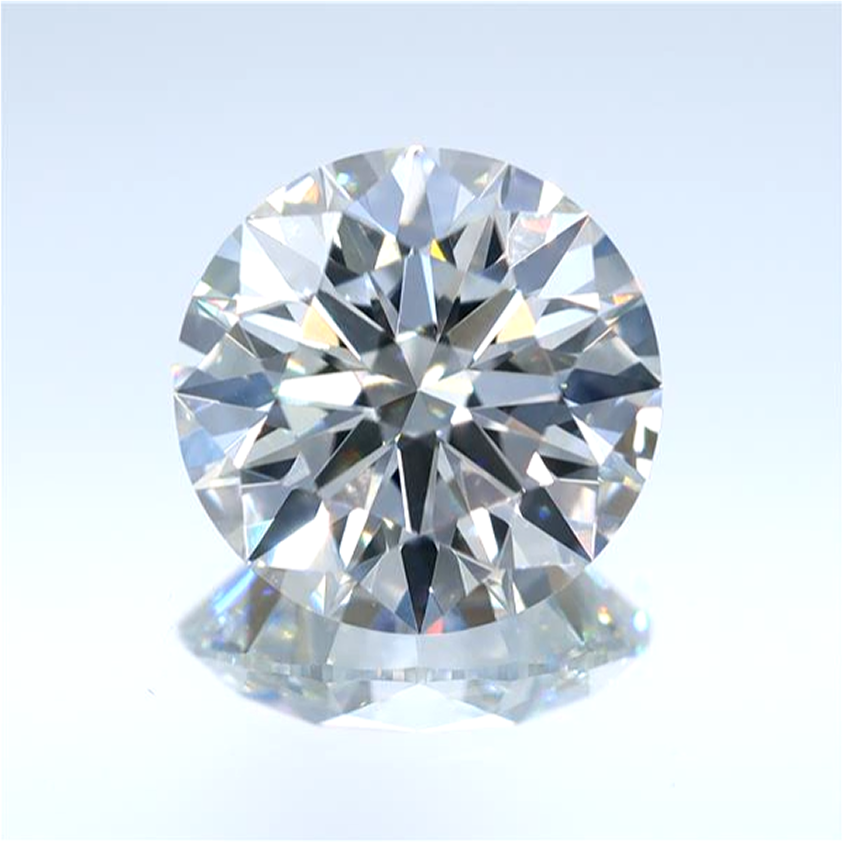












Why do flaws affect durability and structure, drastically reducing diamond value?
Key Takeaways
- When buying diamonds, many people only focus on carat, color, or clarity on the GIA paper, overlooking the important factors of their durability and natural structure.In reality, there are flaws that are very...

When buying diamonds, many people only focus on carat, color, or clarity on the GIA paper, overlooking the important factors of their durability and natural structure.
In reality, there are flaws that are very difficult to see with the naked eye, such as Chips, Cavities, or Beardings, but they directly affect the durability, price retention, and long-term value of a diamond. This is also a group of flaws that the market often "hides" if buyers lack sufficient professional knowledge.
So, why do structural flaws cause the value of a diamond to decrease sharply, and what flaws should buyers pay special attention to before making a choice? Let's find out with diamond expert Jemmia Diamond through the article below.
Why are Durability and Natural Structure Important for Diamonds?
Many people believe that diamonds are the hardest material in the world and are virtually indestructible. However, in gemstones, "hardness" and "durability" are two completely different concepts.
Diamonds are highly resistant to scratches, but they still have natural structural weaknesses. If a stone contains structural flaws, the risk of chipping, cracking, or reduced stability over time can still occur with strong impact or during long-term use.
This is also why high-quality diamonds are always highly valued in the luxury jewelry industry. Not only do they ensure lasting beauty, but they also retain their value better over time.
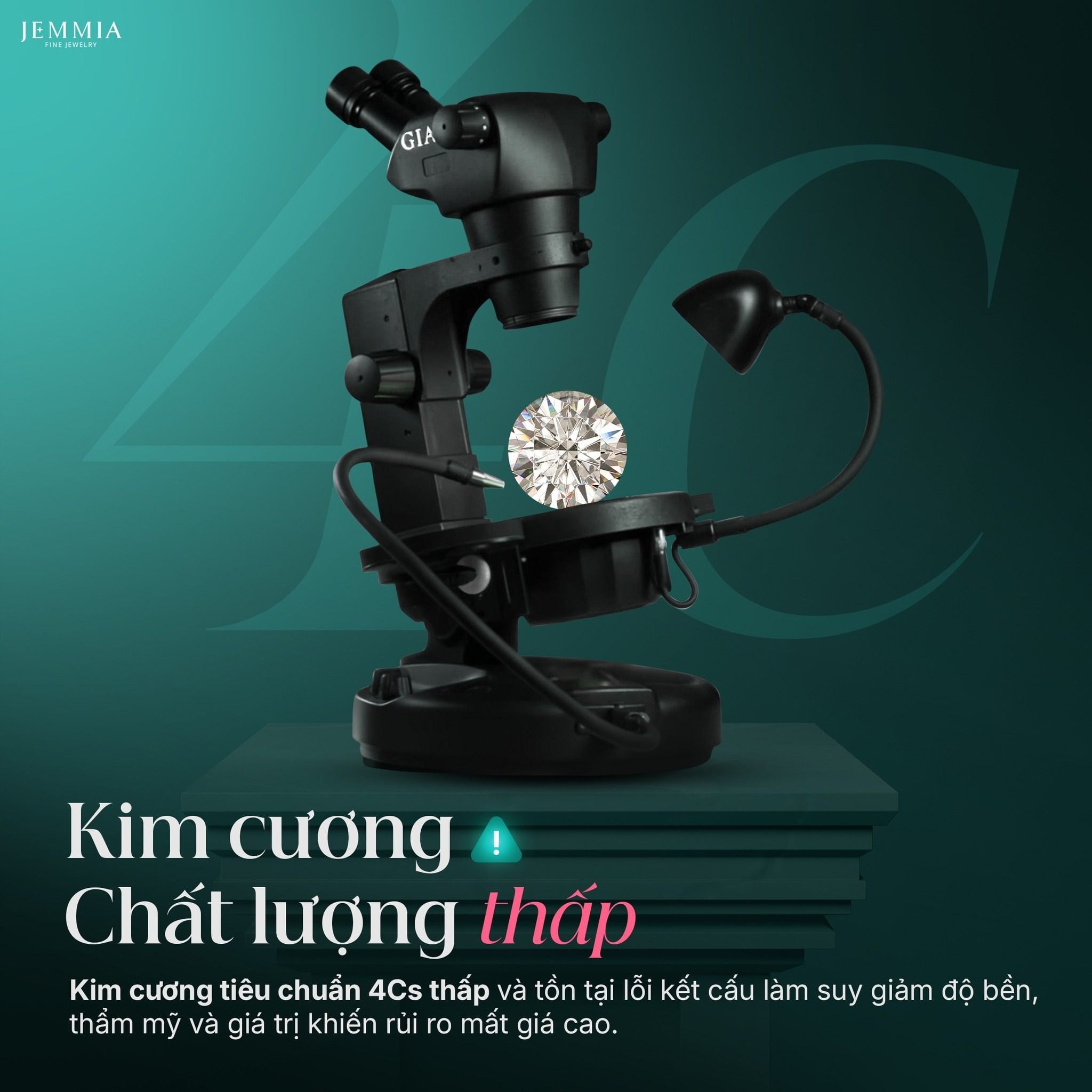
Diamonds with low 4Cs standards and structural flaws that reduce durability, aesthetics, and value carry a high risk of depreciation.
5 Flaws Affecting Diamond Durability and Structure That Many People Often Overlook
Indented Natural
An Indented Natural is a rough natural surface remaining after cutting and polishing that is recessed into the diamond's structure. Unlike a typical Natural that lies only on the surface, an Indented Natural can create a mechanically weak area within the stone if it is too deep or located near the girdle.
Many buyers often overlook this flaw, assuming it's just a "natural characteristic" of a diamond. However, in reality, high-end selection brands often limit diamonds with large Indented Naturals because they can directly affect long-term structural stability.
This is also a flaw often found in diamonds where the priority is to retain carat weight rather than optimize overall quality after cutting and polishing.
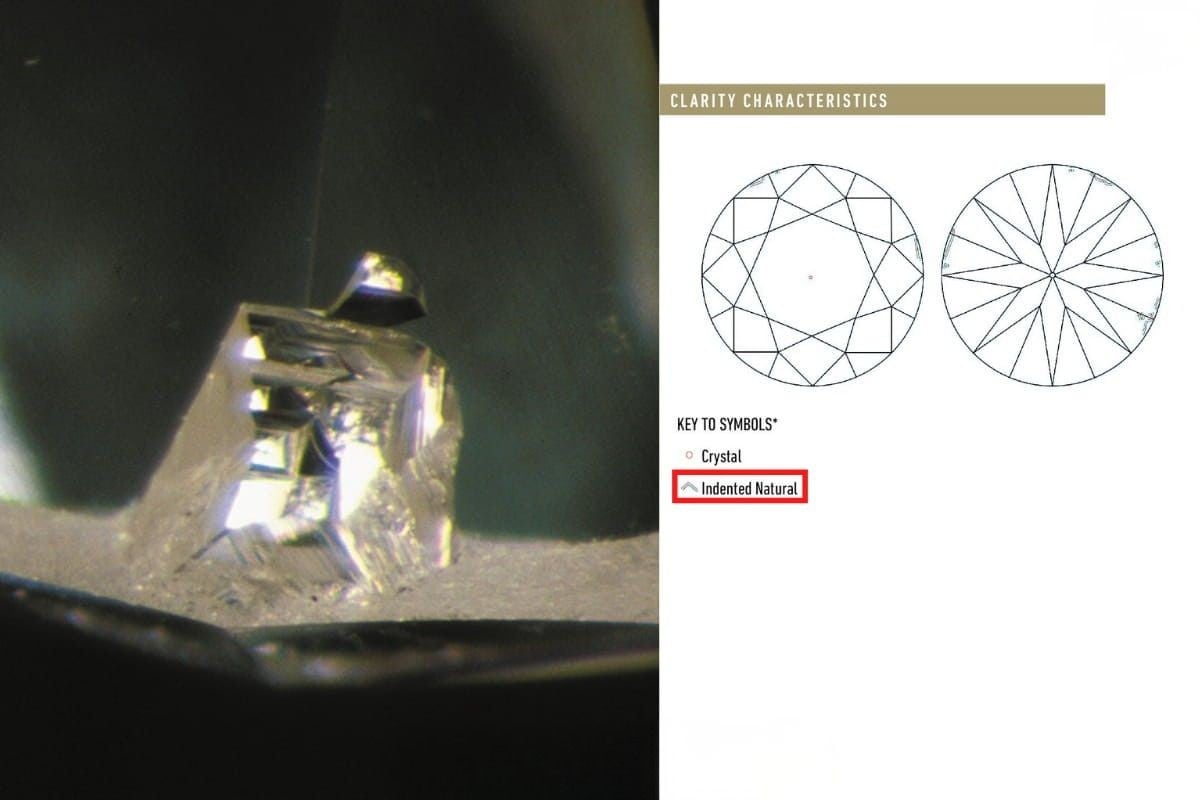
Indented Naturals can create weak spots in the diamond's structure if they are deep or near the girdle
Chip
A Chip is a phenomenon where a very small part of the diamond is chipped off from its edge or girdle. This is one of the most serious durability flaws but is very difficult to detect if the buyer does not inspect carefully under magnification.
The danger of a chip lies in the fact that the diamond's original monolithic structure is no longer complete. The chipped area will become a weak point subject to stress and risks developing into a larger crack if it experiences further impact during use.
In the market, many small chips can be hidden by the setting's prongs or difficult to discern in showroom lighting. This is also why two diamonds with similar specifications can have significantly different actual values.
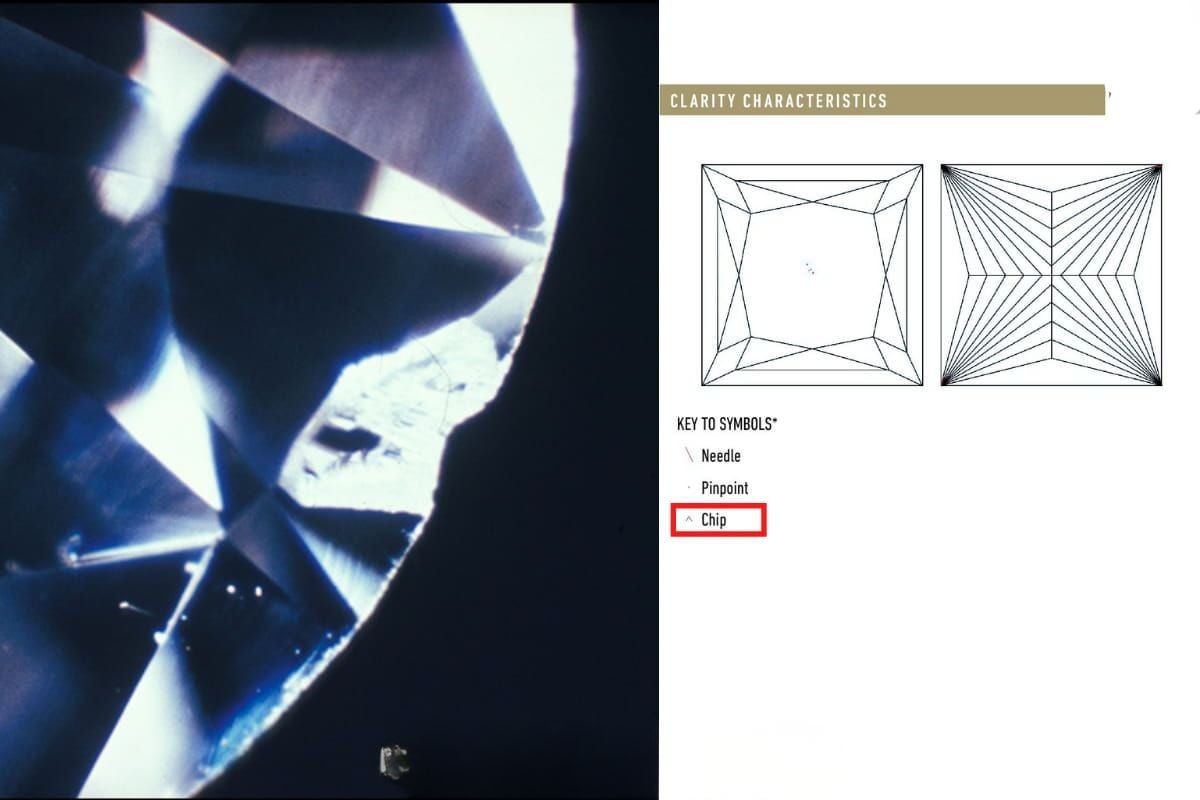
Chips break the diamond's original monolithic structure, creating a weak point prone to cracking upon impact
Cavity
A Cavity is a small hole on the diamond's surface, often formed when an internal inclusion falls out or during the cutting and polishing process. Under magnification, a cavity may appear as a small indentation or a pitted area on the facet surface.
Many people believe cavities only affect aesthetics, but in reality, this flaw also reduces the diamond's natural integrity. When the structure has a void, that area becomes less stable and more susceptible to damage from strong impact.
In addition to durability, cavities can easily accumulate dirt and oil during use, causing the diamond to lose its brilliance over time. This is why diamonds with large cavities often have significantly lower resale values.
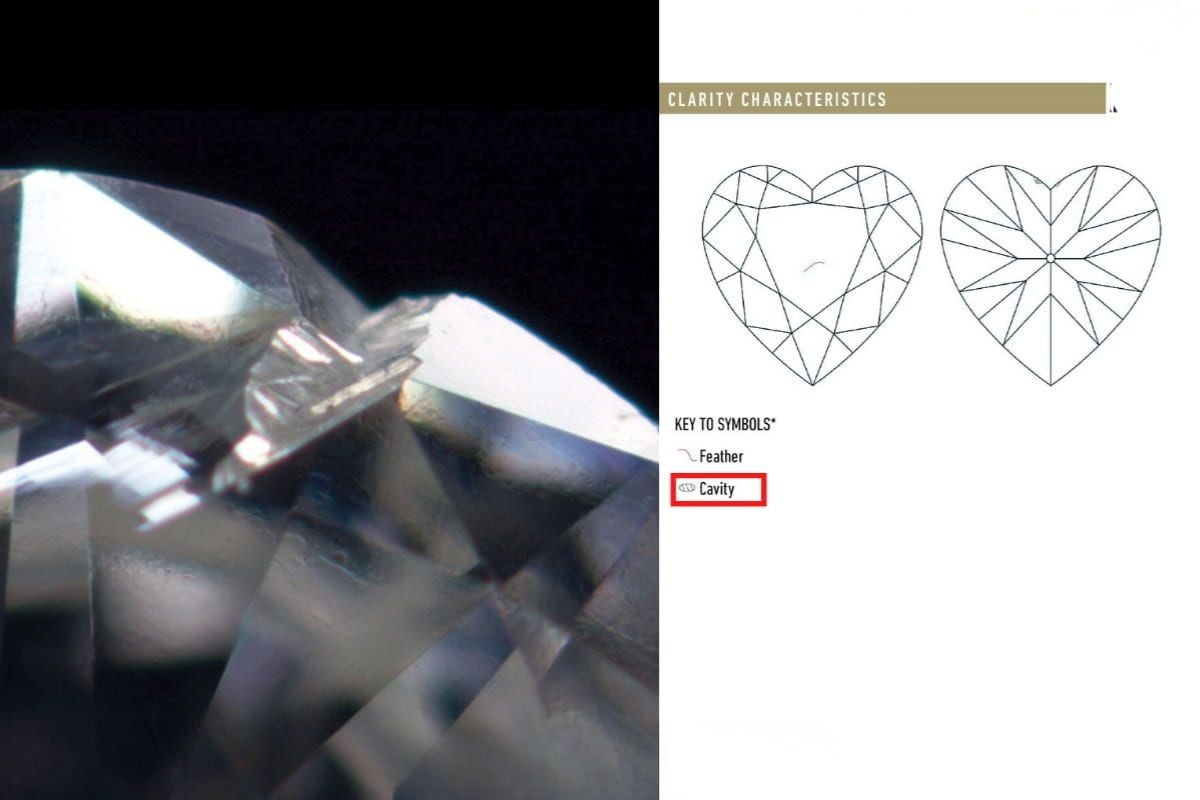
Cavities create voids on the diamond's surface, reducing the integrity and stability of the structure
Twinning Wisp
A Twinning Wisp is an abnormal crystalline structure formed during the diamond's natural growth process. They typically consist of multiple small inclusions such as pinpoints, feathers, or crystals connected in a hazy band within the stone.
Not all Twinning Wisps are dangerous, but if they appear densely or extend through the central area, they can affect the structural stability and light reflection capabilities of the diamond.
This flaw is quite difficult for ordinary buyers to detect, as many stones achieve beautiful clarity grades on their grading reports. However, in expert evaluations, the internal inclusions are as important as the overall clarity grade.
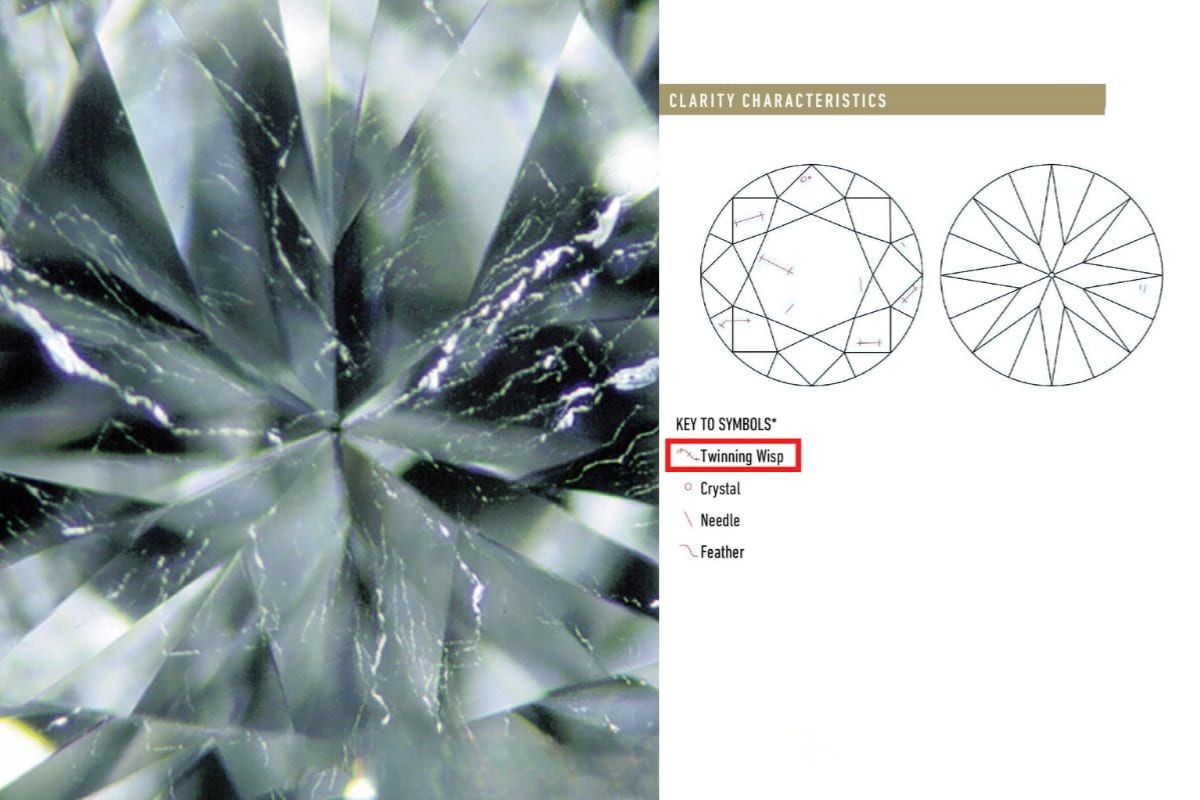
Twinning Wisps are bands of internal inclusions that can affect the structural stability and light reflection of a diamond
Bearding
Bearding refers to a cluster of tiny internal fractures around the girdle that appear during the diamond cutting process. Under magnification, they look like fine hairs surrounding the stone's edge.
If the level is mild, Bearding may have little impact. However, in severe cases, the girdle area will become weaker and prone to chipping when subjected to impact. This is particularly important for everyday rings, as the girdle is a highly stressed area during use.
In some cases, cutters may need to make the girdle thicker to mask Bearding, which in turn affects the diamond's proportions and light reflection effects.
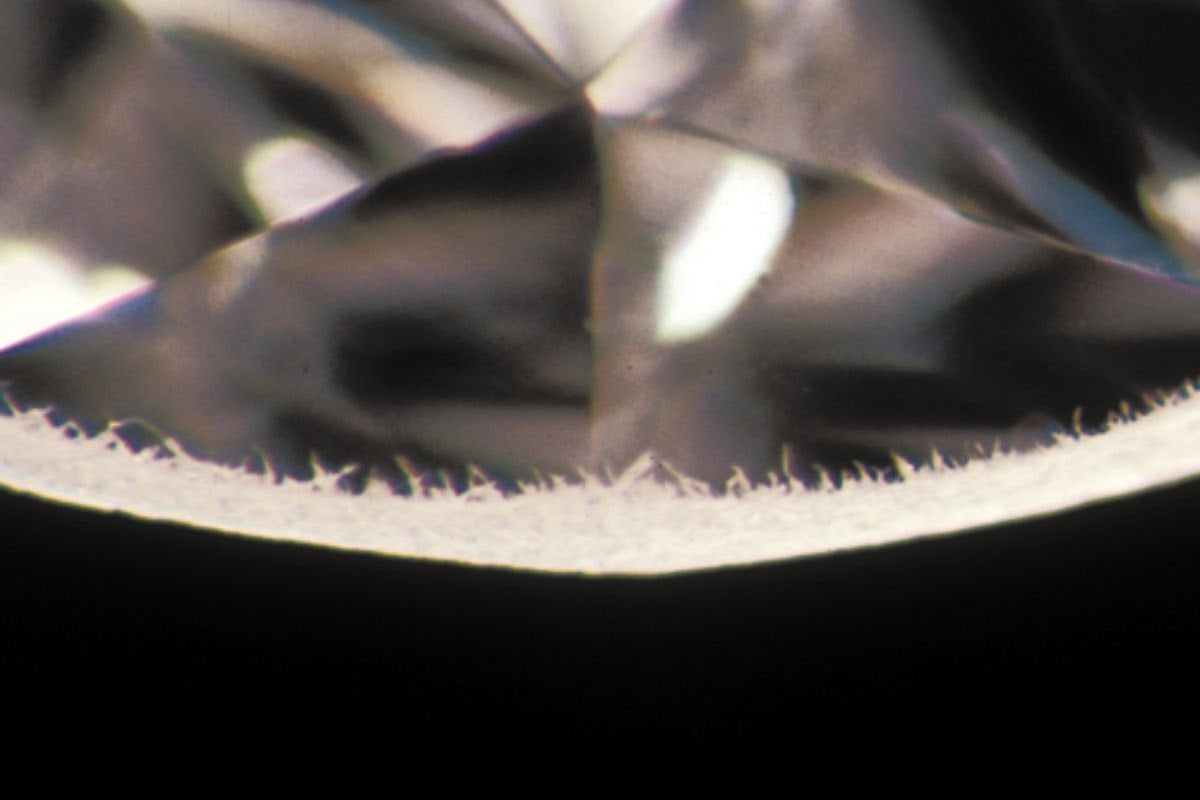
Bearding are tiny fractures around the Girdle that can weaken the most stressed area of the diamond
Why Do Structural Flaws Significantly Reduce a Diamond's Value?
Unlike flaws that only slightly affect aesthetics, structural flaws directly impact the long-term usability of the stone. A diamond with poor durability will:
- Be more prone to chipping or cracking.
- Have difficulty maintaining its beauty over time.
- Reduce liquidity and future resale value.
In the luxury jewelry industry, durability is a carefully evaluated factor because diamonds are not just jewelry but also assets that store value. Stones with stable structures are always preferred, even if their clarity parameters are not outstanding.
This is also why high-end selection brands often have stricter structural inspection standards than simply looking at a grading report.
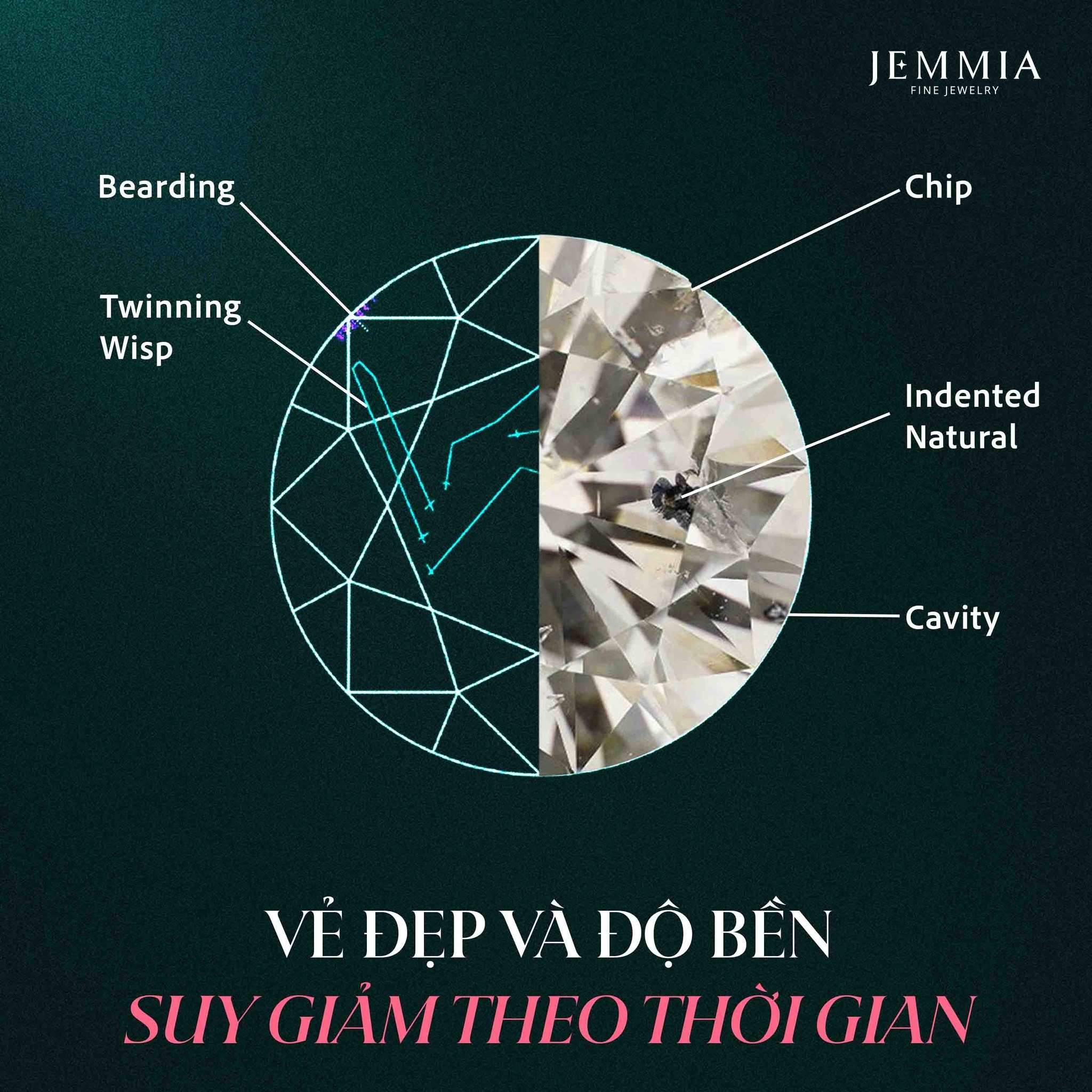
Structural flaws can significantly reduce a diamond's durability and price retention capabilities.
At Jemmia Diamond, we only provide customers with diamonds of high 4Cs standards, completely eliminating durability and structural flaws such as Chips, Cavities, Beardings, or Twinning Wisps, ensuring your diamond has long-term value and good future liquidity.
Jemmia Diamond currently possesses a modern machinery system imported from GIA USA, analyzing and identifying everything from the cut to the clarity of the diamond accurately and comprehensively using the GIA Gemolite® gemstone microscope - GIA's most advanced equipment:
Conclusion
A valuable diamond is not only about its large size or high clarity on the grading report. Its true value also lies in its natural structural stability and its ability to endure over time.
Flaws such as Indented Natural, Chip, Cavity, Twinning Wisp, or Bearding may not be easily noticeable to the naked eye, but they directly affect the durability, impact resistance, and long-term value of a diamond.
This is also why buyers of high-end diamonds today not only focus on the 4Cs but also pay more attention to the actual structural quality and the brand's selection standards before making a purchasing decision.