








Does Gold Subject to VAT? Understanding the Applicable VAT Rate
Key Takeaways
- Gold investors often wonder, does gold pay VAT, and how is VAT calculated for gold? Let's explore the details with Jemmia through the article below. Does gold pay VAT?VAT (Value Added Tax) is...

Gold investors often wonder, does gold pay VAT, and how is VAT calculated for gold? Let's explore the details with Jemmia through the article below.
Does gold pay VAT?
VAT (Value Added Tax) is an indirect tax applied to products and services in the process of increasing value. In the gold business, the application of VAT is regulated specifically depending on the type of gold:
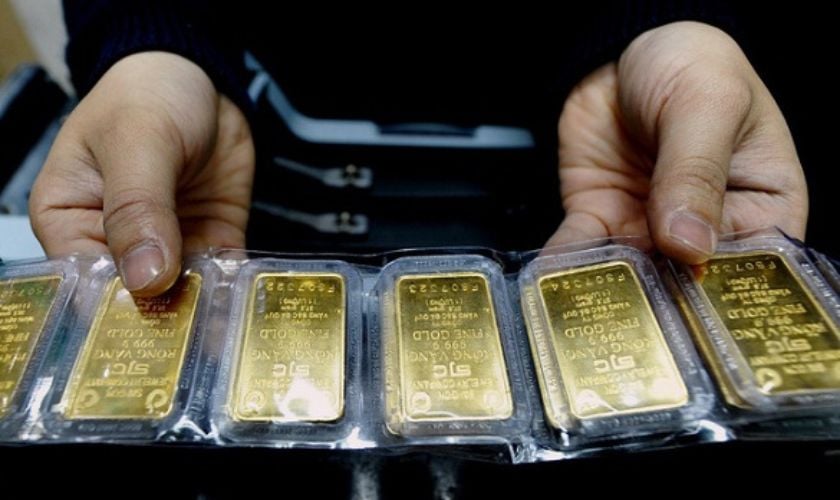
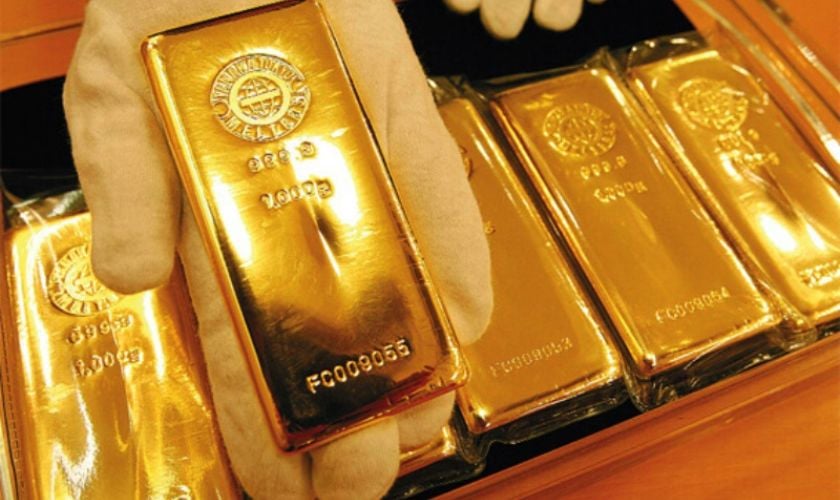
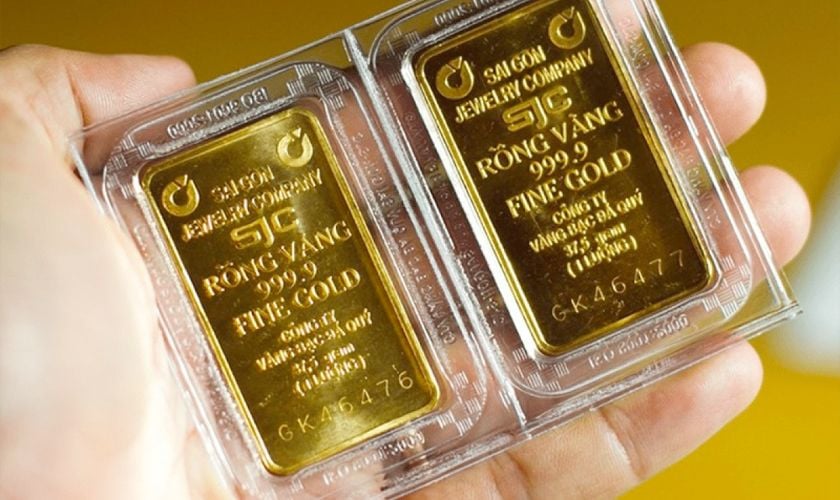
Raw gold (gold bars, gold ingots): According to current regulations, raw gold is not subject to VAT as it is not a consumer item.
Gold jewelry: This product is subject to VAT at a certain rate, as it is considered a luxury consumer item.
VAT rates applicable to gold
When buying or trading gold products, understanding the VAT rates is crucial. Each type of gold, from jewelry to raw gold, has different tax regulations. Below are the details of the VAT rates currently applied:
VAT rate for gold jewelry: VAT is set at 10% for gold jewelry products including rings, earrings, bracelets, and necklaces.
VAT exemption for raw gold: According to the VAT Law, raw gold such as gold bars and ingots is not taxed, as it is considered a raw material rather than a consumer product.
For example: When you buy an 18K gold ring worth 10 million VND, a 10% VAT will be applied. This means you will have to pay an additional 1 million VND in tax, bringing the total payment to 11 million VND.
Legal regulations related to gold VAT
The application of Value Added Tax (VAT) to gold products is clearly stipulated in Vietnamese legal documents. Below are important legal provisions related to gold VAT, helping consumers and businesses better understand their tax obligations when participating in the gold market.
VAT Law: According to Article 5 of the VAT Law, transactions involving raw gold (including gold bars, gold ingots, unprocessed gold) are not subject to VAT. This means that when you buy raw gold, whether for investment or use in production, you will not have to pay VAT, reducing costs for these transactions.
Circular of the Ministry of Finance: To clarify the application of tax on gold jewelry products, Circular 219/2013/TT-BTC of the Ministry of Finance provides details on how to determine VAT for processed gold products, such as rings, necklaces, earrings, and bracelets. Specifically, gold jewelry products will be subject to a 10% VAT rate, a fixed rate applied to all processed gold products sold to the consumer market.
How to calculate VAT for gold jewelry
VAT calculation formula:
VAT = (Product Value) × (10%)
Illustrative example: Assuming a jewelry product has a selling price of 10 million VND, VAT is calculated as follows:
VAT = 10,000,000 × 10% = 1,000,000 VND.

Benefits of understanding gold VAT regulations
Understanding VAT regulations related to gold not only benefits consumers but also plays an important role in business operations. Below are the specific benefits:
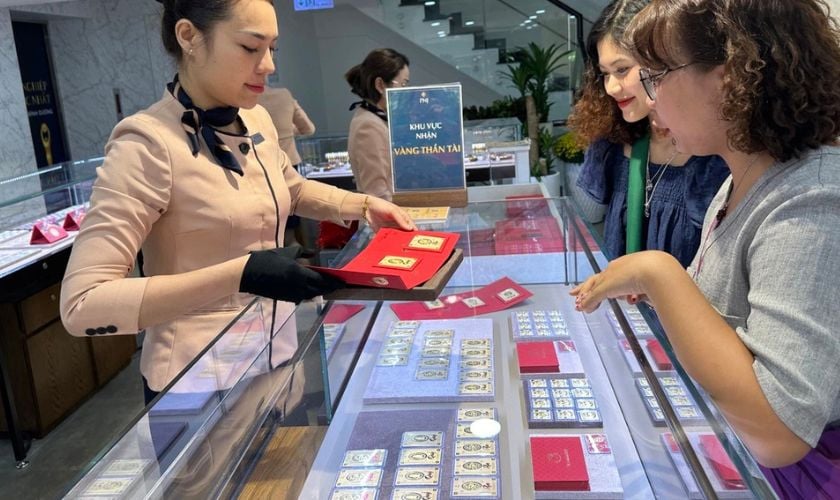
For consumers
Clearly understand the real price of gold jewelry when shopping:
By grasping VAT regulations, consumers can easily distinguish between the actual value of the product and additional taxes. For example, when buying a gold ring with a listed price of 10 million VND, if it is subject to 10% VAT, the buyer needs to pay an additional 1 million VND. This helps consumers not be surprised by unexpected costs.
Avoid misunderstandings about the amount payable:
Lack of understanding of VAT can lead to unnecessary misunderstandings or disputes with suppliers. By clearly understanding that raw gold such as gold bars or ingots is not subject to VAT, consumers will be more confident when making transactions without worrying about incorrect tax calculations.
For businesses
Optimize business costs:
Understanding the difference between raw gold and gold jewelry helps businesses accurately calculate costs and product selling prices. This is especially important for gold processing businesses, as they can take advantage of the VAT exemption for raw gold to minimize input costs, thereby increasing profits.
Comply with legal regulations, reduce the risk of violations:
VAT is one of the important tax obligations that businesses must fulfill. Understanding the regulations helps businesses fulfill their tax obligations correctly, avoiding legal risks such as fines for violating regulations or late tax payments. At the same time, good compliance also helps businesses build credibility in the market and foster trust with customers.
Understanding VAT regulations for gold is essential for both consumers and businesses. While raw gold is VAT-exempt, gold jewelry is subject to a 10% tax. Clearly understanding these regulations helps you shop or do business more effectively, ensuring legal compliance.
- How much is 1 Kg of Gold? How to Convert 1 Kg to Tael, Chi, Luong
- [Answer 2025] Why is ring gold cheaper than gold bars?
- Guide to buying SJC gold online - Reputable SJC gold buying address