












How Gold Prices are Affected by ETFs
Key Takeaways
- The current gold price chart is heavily influenced by changes in ETFs. This is an investment fund that is not unfamiliar to investors today. Finding and understanding the operating mechanism of ETFs...

The current gold price chart is heavily influenced by changes in ETFs. This is an investment fund that is not unfamiliar to investors today. Finding and understanding the operating mechanism of ETFs will help investors accurately predict the gold market. This will help them know how to invest effectively to achieve profits.
Overview of ETF Funds
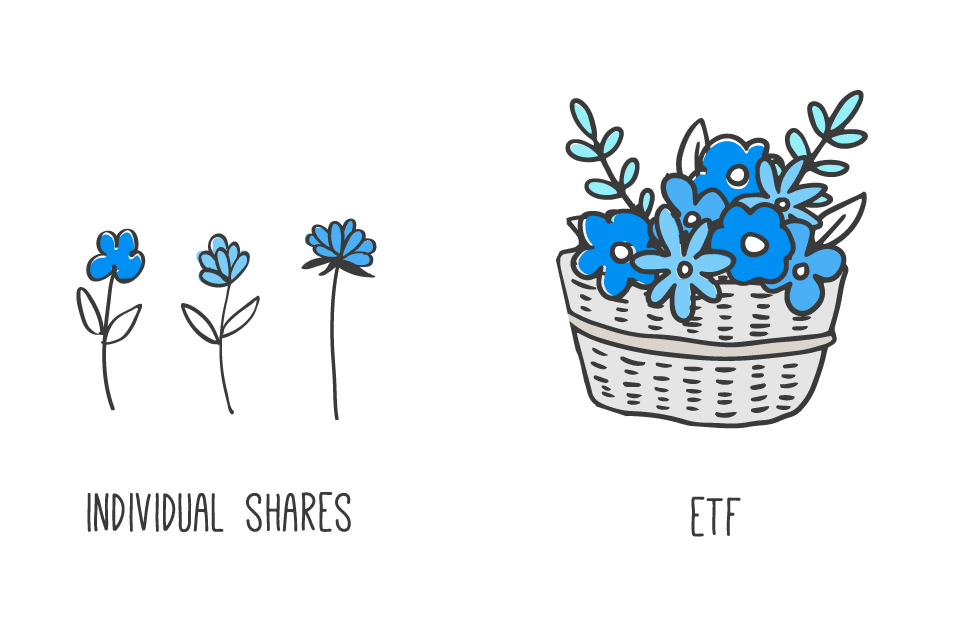
Before learning about ETF funds, we need to understand the name, which is Exchange Traded Fund. This is an index fund that a group of investors can trade through a stock exchange. These investors often represent a financial system in a specific region.
ETF funds are financial products that were established in 1993 in the United States. They were developed by two economists, Nathan Most and Steven Bloom, based on the SPY index reflecting depositary receipts.
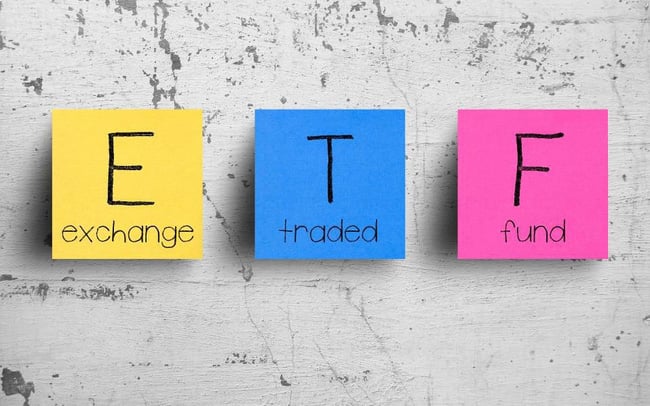
ETF stands for Exchange Traded Fund
Currently, there are prominent ETF funds as follows:
- iShares S&P 500 Growth ETF, focusing on S&P 500 company stocks.
- VanEck Vectors Gold Miners ETF, focusing on gold mining company stocks.
- iShares Silver Trust ETF, focusing on silver mining company stocks.
- iShares PHLX Semiconductor ETF, focusing on semiconductor industry company stocks.
- Energy Sector SPDR Fund ETF, focusing on energy company stocks.
Investors can find other ETF funds that suit their investment goals and scope.
In addition, investors can find other ETF funds that suit their investment goals and scope. In Vietnam, there is also one ETF fund in operation, which is VFMVN30.
In recent years, many people consider ETFs a safe option.
In the US, there are currently about 1,000 ETF fund portfolios in operation with investments up to 1 trillion USD. The success and effectiveness of ETFs in concentrating and allocating investment resources.
This is the core factor creating safety for investors when choosing.
Operating Mechanism of ETF Funds
The operating mechanism of ETF funds is based on a benchmark index, which is usually a stock or bond index. For ETFs investing in gold, they will rely on the index in the gold price chart.
Unlike other funds, ETFs do not sell certificates or trade directly. Instead, each issuance consists of 1 million units.

The impact of ETF funds on the gold price chart
Investors will not buy units with money, but with a structured portfolio of securities.
This portfolio is a list of accepted benchmark indices (such as stocks, gold, etc.). The primary market consists of investors who directly purchase these unit blocks, usually investment organizations. The secondary market involves subdividing these unit blocks and selling them to the market.
The operating mechanism of ETF funds is based on a benchmark index, which is usually a stock or bond index.
When selling fund certificates, investors have two options:
- One is to sell individually to investors.
- Or sell back to the ETF fund on the market.
As above, ETF funds will purchase these unit blocks with a structured portfolio, not with cash.
When selling fund certificates, investors have two options, one is to sell individually to investors.
This is the reason why in recent years, many people consider ETFs a safe option. To carry out personal investment projects such as stocks, securities, or gold bars.
The Mechanism of ETF Impact on the Gold Price Chart
The operating mechanism of ETF funds can be based on the benchmark index of the gold price chart. Therefore, two financial products, gold derivatives and gold ETFs, are two categories that directly impact gold holdings.
The operating mechanism of ETF funds can be based on the benchmark index of the gold price chart.
ETF funds based on the gold price chart benchmark are open-ended funds, whose main investment portfolio is gold bars.
As of June 28, 2020, the total gold reserves held by ETF funds were 142,025 tons. This figure is 71 times more than in 2010, when it was 2,167 tons of gold.
Owning a large amount of gold bars allows ETFs to be flexible in exchanging and converting cash flows. The essence of this process is the securitization of gold bars, allowing holders to exchange gold bars when necessary.

Owning a large amount of gold bars allows ETFs to be flexible in exchanging and converting cash flows.
Therefore, the price of gold bars in the market is often affected by this exchange of gold bars.
Observing the fluctuations in gold bar purchases and changes in the gold price chart, we see clear similarities in the upward trend. At this time, the gold price will increase in line with the gold bar purchase on the market.
ETFs change the habit of holding gold bars among the people.
For example, from 2003-2011, ETF funds bought 2,670 tons of gold, and the gold price increased from 350 USD to 1,900 USD.
From 2012-2015, ETF funds sold 1,150 tons of gold, and the gold price decreased from 1,900 USD to 1,050 USD.
These fluctuations, besides being affected by the economy, are also partly influenced by ETFs today.
Benefits of Gold ETFs for the Economy
The impacts of ETF funds directly affect the price of gold. Specifically, the impacts occur as follows.
ETF funds directly collecting gold helps stabilize and concentrate gold in one place.
This will help stabilize the gold supply, making it a reliable tool for national asset reserves. With the current domestic ETF funds in operation, this also creates market certainty.
ETFs blur the line between domestic and international gold prices.
Changing the habit of holding gold bars among the people.
This benefit is very useful in building a national financial system.
This is a way to limit assets from being idle and not generating more value.
Buying fund certificates instead of gold bars will help gold circulate more and ensure profits.
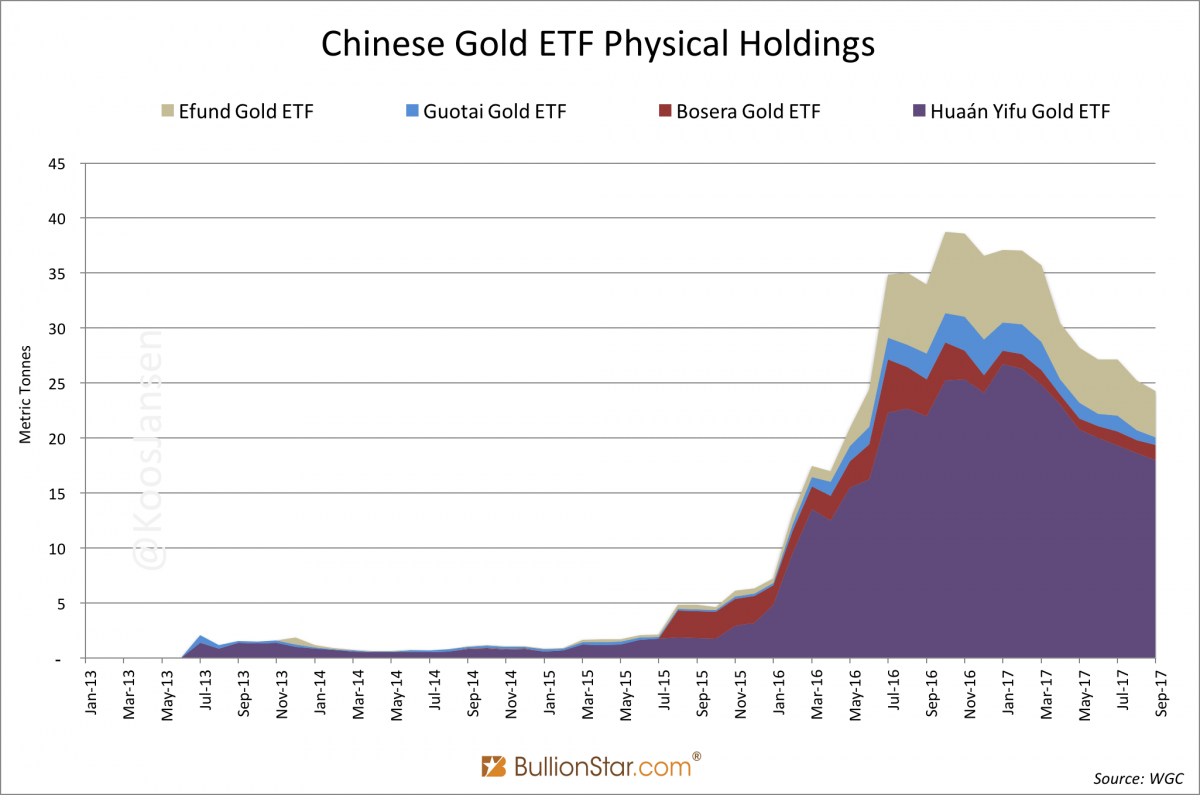
Chart of ETF gold reserves in China from 2013-2017
Blurring the gap between domestic and international gold prices.
The transparency of operation and the stability of financial flows of ETF funds are proven.
These two factors will create clarity and certainty in the market. Subsequently, it will narrow the gap between domestic and international gold prices.
The transparency of ETFs helps prevent manipulation of gold prices in the domestic market.
The transparency of ETFs and the nature of gold ETF certificates listed on the stock exchange will prevent gold price manipulation in the domestic market.
Gold ETFs that reference international gold prices also create momentum to narrow the gap between domestic and international gold prices.
Benefits of Gold Chart ETFs for Investors
Considering the benefits of gold ETFs for investors, let's look at the comparison table below with gold ETF certificates, gold bars, and gold jewelry.
| Content | Gold ETF Certificate | Gold Bars | Gold Jewelry |
| Transaction | Securitized (digitized) | Physical | |
| Difference | Low compared to international gold prices | High compared to international gold prices | |
| Stability | Guaranteed, international gold quality | Uncertain, depends on distributor, manufacturer | |
| Safety | Gold stored in banks, managed by ETF funds. | Self-managed | |
| Liquidity | High | Normal, sold to gold trading system | Low, difficult to liquidate |
| Trading Method | Direct, online, entrusted. | Direct | |
| Maintenance Cost | Low | If stored in a bank, warehousing costs will be incurred. | |
Standing alone, gold bars and gold jewelry still have their own unique values, due to their value and vitality in today's jewelry world.
However, when compared directly with gold ETF certificates, gold bars have less vitality.

If considered separately, gold ETF certificates have a much stronger vitality than other types of gold.
Understanding the changes in the gold price chart and ETFs will help investors optimize their profits.
Therefore, the appearance of ETF funds is a resource, a companion for investors on the path to achieving success.
Understanding the changes in the gold price chart and ETFs will help investors optimize their profits.
Thus, we can imagine the influence and advantages of ETF funds on the gold price chart.
Clearly, the gold price chart is influenced by changes in ETF funds.
And from it, investing in gold has become much more diverse and flexible.
Based on the gold price chart, we can identify many useful things for future investment plans.
Thank you for reading to the end! We wish you success as a gold investor.