












Giant Diamond Mine in South Africa
Key Takeaways
- Diamond mining activities in South Africa are booming, as everyone hopes to change their lives with valuable gemstones. People are constantly competing to own rare diamonds. In the article below, let's join...

Diamond mining activities in South Africa are booming, as everyone hopes to change their lives with valuable gemstones. People are constantly competing to own rare diamonds. In the article below, let's join Jemmia Diamond to explore the details of the South African diamond mining industry.
Giant Diamond Mines in South Africa
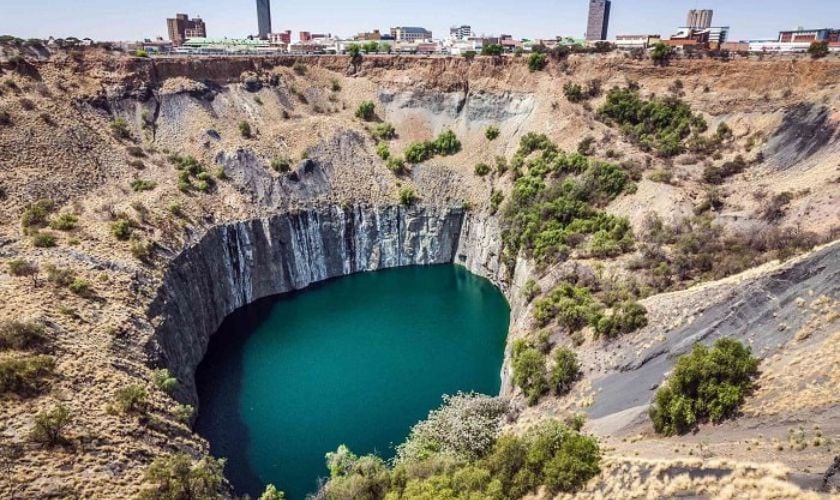
The city of Kimberley in South Africa is famous for the Big Hole, the world's deepest diamond mine. This is where many valuable diamonds have been found, and it is also the largest diamond mine, located right in the city center, with a depth of up to 215m.
Currently, De Beers is the company that dominates the global diamond industry, supplying about 40% of the world's diamond production and owning more than 70% of the diamond mines in South Africa.
The diamond mining process in South Africa initially took place in open-pit mines along volcanic pipes. After many years of mining, Colesberg Kopje hill gradually disappeared, leaving the Big Hole in its current shape.
From 1866 to 1914, more than 3 tons of diamonds were mined here by 50,000 workers, who excavated more than 22.5 million tons of earth and rock using simple tools like picks and shovels. Although the pit was initially 240m deep, its depth has now decreased, with the water level reaching only about 40m, after the area was partially filled with lime, bricks, and rocks after its closure.
In 2006, De Beers invested $7.7 million to build the Kimberley Museum around the Big Hole. The museum includes an open exhibition space and a village recreating the history of diamond mining, offering visitors a realistic glimpse into the glorious development period of this diamond mine.
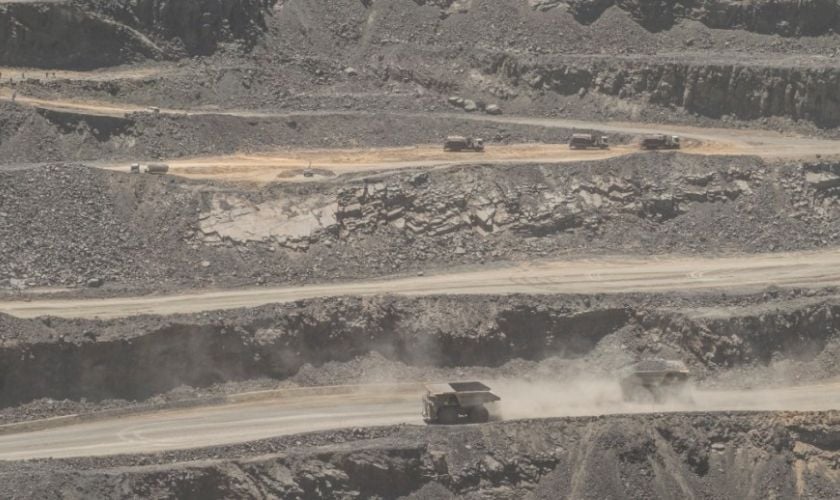
South African Diamond Mine Dam Collapse
On September 27, a serious incident occurred in the diamond mining town of Jagersfontein, located about 100km west of the capital Bloemfontein, when a dam collapsed. Immediately, the disaster response team arrived at the scene to carry out rescue operations and assess the extent of the damage.
According to local authorities, no casualties have been reported in connection with the incident so far. It is known that this diamond mine was previously owned by De Beers, a British-American joint venture mining company, but has been inactive for a long time.
Earlier, on September 11, a dam containing wastewater from natural diamond mining activities in the area also broke, causing a major flood. The floodwaters swept away many houses and vehicles, destroying at least 51 houses, killing one person and injuring more than 20 others.
This serious incident forced the South African government to declare a state of disaster, allowing local authorities to mobilize necessary resources from the government for rescue and recovery efforts.
South African Village with a Diamond Fever
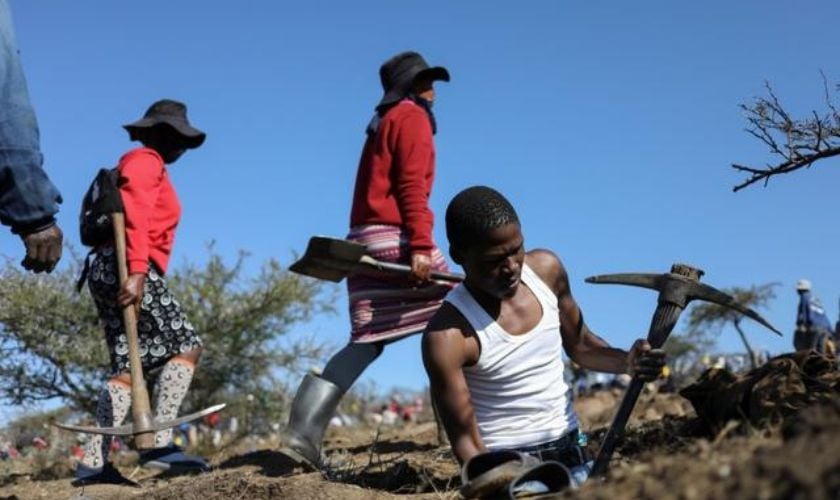
On normal days, the vacant land in KwaHlathi village, KwaZulu-Natal province of South Africa is usually quiet, but overnight, it became crowded with people. Under the scorching sun, no one seemed tired; on the contrary, they were full of excitement, believing they were on the verge of a life-changing opportunity.
People brought whatever tools they had to dig through the barren soil, hoping to find diamonds. Those who were lucky enough to find gemstones were overjoyed, while those who had not yet found any results remained patient and hopeful.
In response to this situation, the South African Department of Diamond Mining quickly dispatched a team of experts to the site to collect rock samples for analysis. The results are expected to be announced in the coming days, but many people have already started selling stones for prices ranging from 100 rand to 300 rand (equivalent to over 160,000 – 500,000 VNĐ).
Fearing that this incident could cause economic disruption, local authorities have ordered all residents to leave the area so that officials can conduct inspections. Nevertheless, the diamond digging fever in KwaHlathi shows no signs of cooling down.
Auction of a Rare Blue Diamond in South Africa
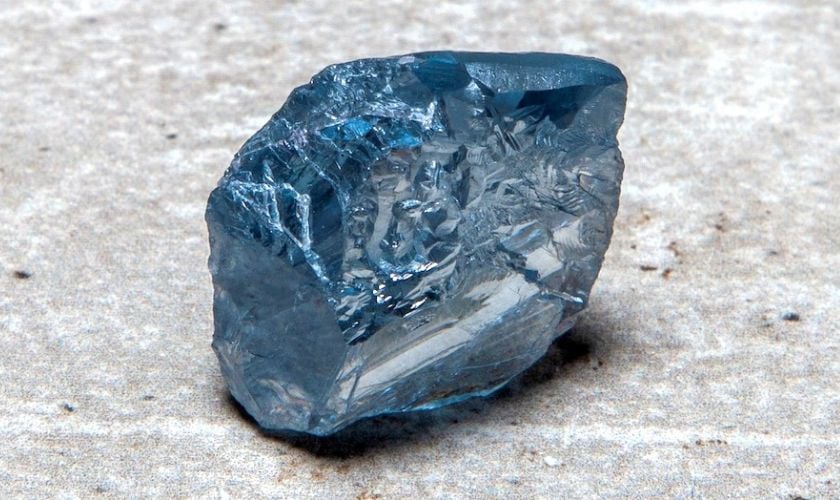
Petra Diamonds, a diamond mining company headquartered in the United Kingdom, has discovered a Type IIb blue diamond at the Cullinan mine. With a weight of 39.34 carats, this type of diamond is extremely rare, accounting for only about 0.1% of all natural diamonds in the world.
The rough diamond boasts superior color and clarity, and is considered a top-tier gemstone. Before the auction, this blue diamond was exhibited at many leading jewelry centers worldwide, including Dubai (UAE), Antwerp (Belgium), New York (USA), and Hong Kong.
The Cullinan mine, located at the foot of the Magaliesberg mountains, 37 km northeast of the city of Tshwane, has been famous for over a century for its rare diamonds, especially blue diamonds.
Cullinan made history in 1905 with the discovery of the Cullinan diamond – the largest rough diamond ever found, weighing an astonishing 3,106 carats (621.35 grams). This diamond, with its clear white color and size comparable to a hand, was divided into 9 main diamonds and 96 smaller diamonds from its fragments.
In 2014, another rough gem weighing 29 carats was also mined at this site. After being cut and polished, the diamond became a 12-carat masterpiece named Blue Moon of Josephine, making a strong impression in the gem collector community.
The upcoming auction of the 39.34-carat blue diamond once again affirms the Cullinan mine's position as a source of the world's most prestigious diamonds.
Above is all the information about South African diamond mining activities that Jemmia Diamond would like to share with you. Don't forget to continue following Jemmia Diamond's future articles to get more interesting information about diamonds and gemstones!