








The simplest way to distinguish pure gold from alloy gold
Key Takeaways
- How to distinguish pure gold and western gold is always a top concern for jewelry lovers or those who want to invest in gold. So how to recognize and choose the right...

How to distinguish pure gold and western gold is always a top concern for jewelry lovers or those who want to invest in gold. So how to recognize and choose the right type of gold? Let's explore with Jemmia the characteristics to help you distinguish these two types of gold most accurately.
What is western gold?
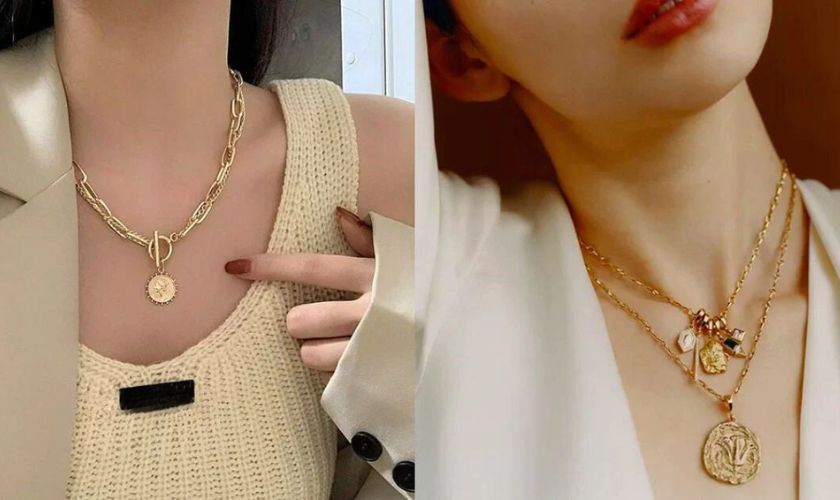
Western gold is an alloy of pure gold and some other metals such as silver, copper, nickel, or zinc. The proportion of gold in this alloy varies, usually calculated in karats (K). For example, 18K gold contains 75% pure gold, and the remaining 25% are other metals.
Due to this combined property, western gold has higher durability and is more resistant to impact than pure gold. You can find western gold in many high-end jewelry items such as rings, earrings, bracelets, or necklaces.
What is pure gold?
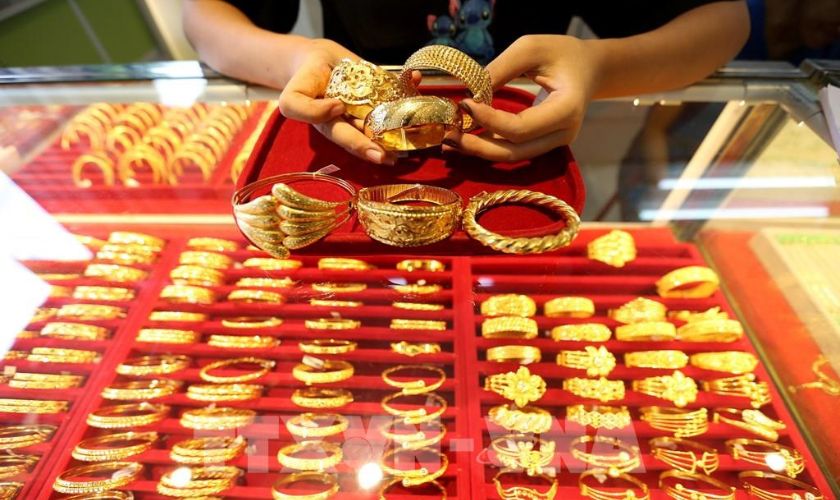
Pure gold, also known as 24K gold, is a type of gold with high purity, usually 99% or more (24K gold).
The most prominent characteristic of pure gold is its very distinctive metallic yellow color and its softness compared to western gold. However, due to its softness, pure gold is easily dented and scratched, making it difficult to be shaped into complex jewelry. Instead, pure gold is often bought as an asset for savings or investment.
The most accurate way to distinguish pure gold and western gold
When choosing gold jewelry, distinguishing between pure gold and western gold not only helps you make the right decision but also avoids unnecessary confusion. So how can you recognize and understand the difference between these two types of gold? Let's distinguish pure gold and western gold with Jemmia through the table below:
Criteria | Pure Gold | Western Gold |
Quality | Contains a high gold content (99% or more). Does not oxidize or tarnish over time. | The proportion of pure gold ranges from 41.7% (for 10K gold) to 75% (for 18K gold) |
Color | Deep yellow, natural metallic luster. Difficult to change over time. | More diverse colors, similar to light yellow or with a hint of red, white, or pink, depending on the alloy. |
Purpose of use | Suitable for investment, savings, or making simple jewelry. | Often used in exquisite, complex designs due to its good load-bearing capacity |
Should you buy western gold or pure gold?
Choosing between western gold and pure gold depends on the purpose of use. If you want to invest long-term, pure gold is the optimal choice. With a pure gold content of up to 99.99%, pure gold maintains its value steadily over time and loses less value. However, pure gold is soft, easily deformed, and not suitable for everyday jewelry.
Conversely, if you prioritize aesthetics and durability, western gold is the perfect choice. Mixed with pure gold and other metals, western gold (such as 18k, 14k) is easily crafted into many modern designs, suitable for daily wear. The price of western gold is also lower, suitable for those who want to own beautiful jewelry while saving costs.
In summary, choosing pure gold or western gold depends on your purpose. If you want to invest long-term, you should buy pure gold. If you want beautiful and durable jewelry, western gold is an ideal choice.
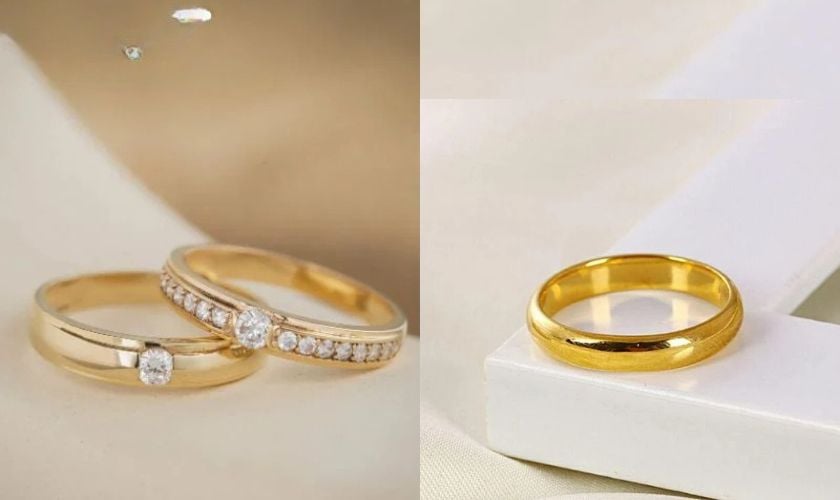
Through the article above, Jemmia has shared with you how to distinguish pure gold and western gold. Don't forget to carefully check the origin, quality, and refer to gold prices before deciding to invest or shop. Follow Jemmia for more knowledge about diamonds and gold.