






What is Platinum? Latest Platinum Price Update
Key Takeaways
- Platinum (Platinum - Pt) is a rare precious metal, naturally gray-white in color, with high durability and almost no oxidation. Thanks to its inert, ductile, and shiny properties, platinum is favored in...

Platinum (Platinum - Pt) is a rare precious metal, naturally gray-white in color, with high durability and almost no oxidation. Thanks to its inert, ductile, and shiny properties, platinum is favored in the creation of high-end jewelry, and also applied in medicine and industry.
What is Platinum?
Platinum (Platinum, chemical symbol Pt) is a rare precious metal element, mainly mined in South Africa and Russia. It is a naturally gray-white metal with high durability and chemical inertness, often used in the creation of high-end jewelry, medicine, and industry.
According to geological statistics, platinum accounts for an extremely rare proportion in the Earth's crust, only about 0.005 mg/kg, making it one of the most expensive metals in the world.
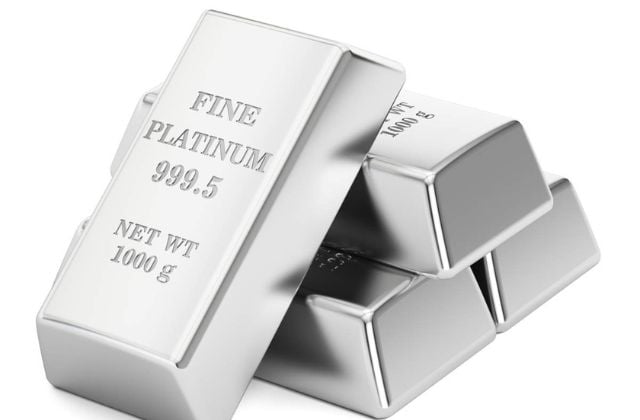
What is Platinum?
Pure platinum does not oxidize at high temperatures. However, it is easily corroded by halogens, cyanides, sulfur, and alkaline solutions. Platinum dissolves in aqua regia but does not dissolve in hydrochloric acid and nitric acid solutions, which is why this metal is classified as precious.
Properties of Platinum
As a precious metal, platinum possesses the following properties:
Property | Detailed Description |
Color | Naturally gray-white, shiny, no plating required |
Rarity | Very rare, lower mining output than gold and silver |
Physical Properties | Heavy, ductile, easily malleable and drawn into wires, resistant to abrasion |
Durability | Sturdy, durable, less prone to scratches than gold |
Purity | Platinum jewelry usually has a purity of 95% or more |
Corrosion Resistance | Resistant to acids, alkalis, and most chemical agents, almost non-oxidizing |
Application | Often used in the creation of wedding rings, engagement rings, necklaces, luxury watches… |
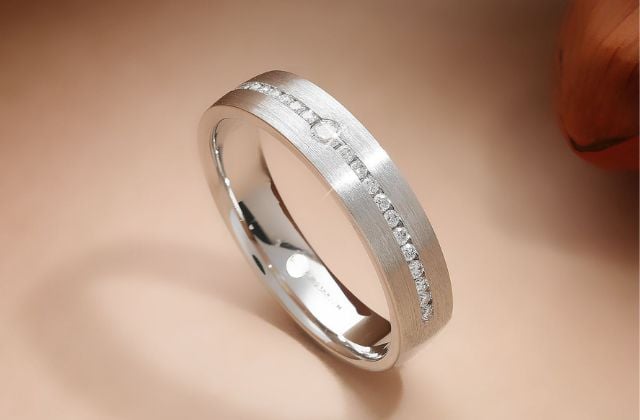
Platinum with its shiny and sparkling properties
Notably, what makes platinum so valuable is its rarity. According to scientific reports, its average distribution density in the Earth's crust is only 0.005mg/kg.
Applications of Platinum
The outstanding properties mentioned above indicate that platinum is widely applied in various fields, from jewelry to medicine and industry:
- Jewelry: This is the most common application of platinum, used to create jewelry such as earrings, necklaces, bracelets, or high-end accessories. Platinum is also used to set precious stones and diamonds, enhancing the beauty of jewelry pieces.
- Medicine: Medications containing platinum help prevent the growth of cancer cells and tumors. Platinum is also used in medical and surgical instruments used inside the human body. This is all thanks to its non-corrosive nature and its lack of reaction with bodily fluids. Therefore, platinum has made a significant contribution to modern medicine today.
- Industry: Platinum is also used to manufacture parts and engines that require high durability, such as electrodes in thermometers, converters in automobiles, etc., helping to limit toxic emissions from engine operation. Platinum is also a component in the creation of other products such as permanent magnets, watch components, machinery, etc.
- Agriculture: Platinum acts as a catalyst to improve and increase productivity in agricultural production such as fertilizers, fuels (gasoline, diesel), etc.
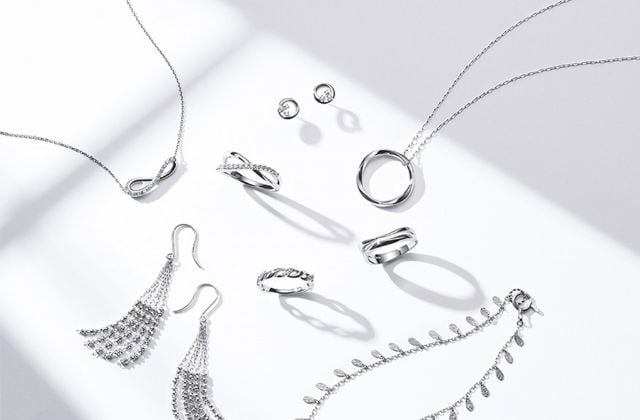
Platinum is applied in practice in many different fields
Platinum Markings on Jewelry
Because platinum is a rare and valuable metal, all platinum jewelry will be stamped with a verification mark, commonly known as a jewelry hallmark. These markings help us identify the purity and origin of the platinum. Some common markings include:
- Pt: This is the chemical symbol for platinum, usually stamped directly on the product to identify the material.
- Pt950 and Pt900: These numbers indicate the purity of the platinum. For example, Pt950 means 95% platinum (meaning in 100 parts of platinum, 95 parts are pure platinum). This is the highest purity and is commonly found in platinum jewelry. Pt900 means 90% platinum.
- Manufacturer's Mark helps consumers easily identify the origin of the product.
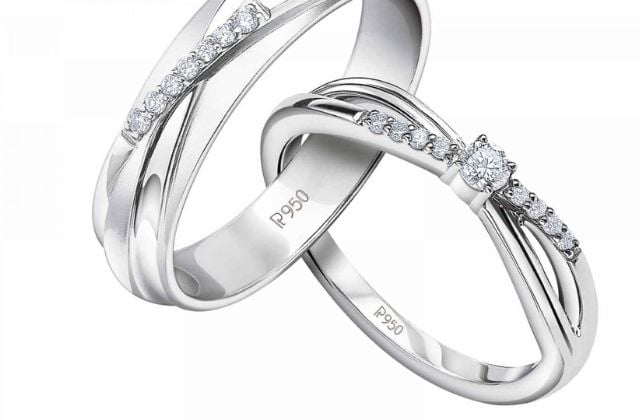
Platinum markings on jewelry
Distinguishing Platinum from White Gold
White gold is an alloy containing gold and other metals, while platinum is a pure element, not an alloy like white gold. They also differ in:
Color
White gold has an ivory color, so when crafted into jewelry, it is usually plated with rhodium to achieve a bright white appearance. However, after a period of use, this plating wears off, causing white gold jewelry to develop a yellowish hue. Therefore, it needs to be regularly checked, polished, and re-plated to maintain its bright white appearance.
Platinum, on the other hand, is a pure metal mined from the earth and always retains its natural gray-white color and inherent shine. Jewelry made from platinum always possesses a noble and pure beauty.
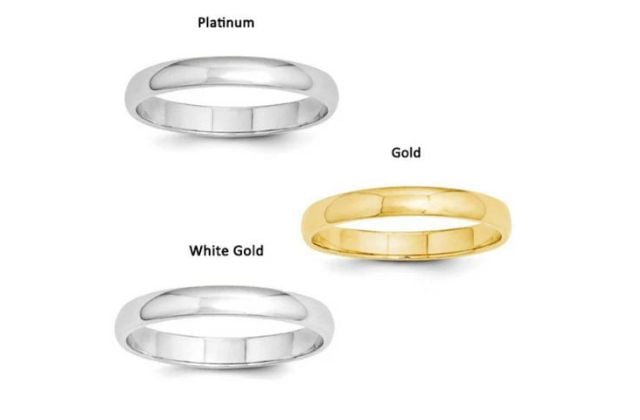
Platinum has a gray-white color and shine
Weight
Since gold is an artificial alloy with a composition of pure gold and other metals, its weight differs significantly from platinum.
Specifically, platinum has a density more than 60% higher than white gold, so platinum jewelry will be heavier than white gold jewelry of the same size and design.
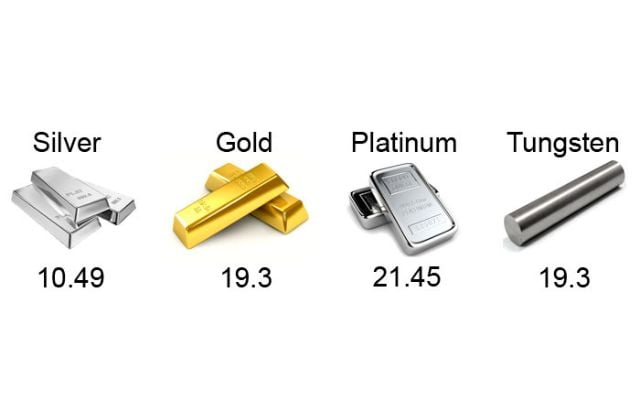
Weight of gold, platinum, and other metals
Differences in Use
Although both are white and shiny and used for jewelry, there are distinct differences in their use:
- First: Regarding colorfastness during use, platinum and white gold differ. Most gold jewelry needs to be re-plated after a period of use to restore its shine, as the plating wears off. Platinum, however, only tarnishes and can be re-polished. In reality, platinum can tarnish faster than white gold during use, but it is easier to remedy.
- Second: In terms of wear, deformation due to impact, platinum has an advantage because white gold is a softer, more malleable alloy, easily corroded by strong chemicals, and dissolves in acid. Meanwhile, platinum does not oxidize, does not dissolve in acid, and has good corrosion resistance and high-temperature tolerance.
- Third: Regarding skin sensitivity during use, white gold may cause skin irritation in people with sensitive or easily irritated skin because white gold is not 100% pure gold but is combined with other metals. Conversely, platinum is a pure metal, so it is less likely to cause skin irritation.
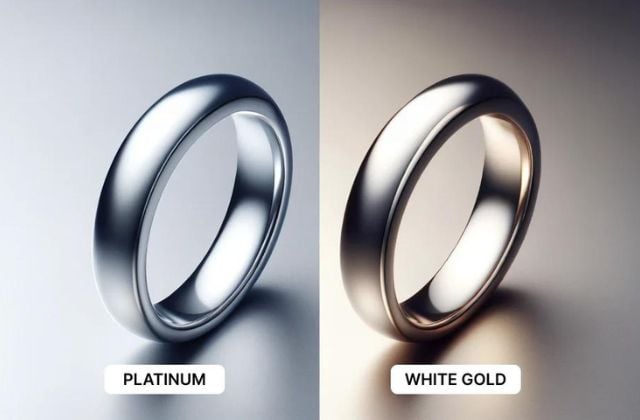
How do platinum and white diamonds differ in use?
Is it advisable to buy platinum for accumulation?
Platinum is generally for the affluent due to its price, which is twice that of 9999 gold. Therefore, if you plan to buy platinum for accumulation, careful consideration is required.
Currently, there are two ways platinum is sold: buyback (where the seller incurs a loss of 20-30% from the original purchase value) and platinum traded in exchange (usually resulting in a loss of about 20% from the initial purchase price).
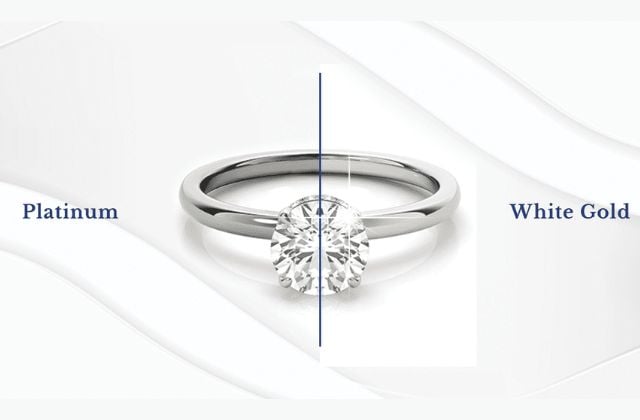
Should platinum be bought for accumulation and future investment?
Therefore, selling platinum is the opposite of selling gold. You should consider the price and predict whether the platinum market will rise or fall to invest wisely. Most reports are used for investment evaluation, not for diversification and comparison.
Since platinum is sold at a lower price than its initial purchase, the demand for buying platinum for storage is very low. Most users purchase platinum for jewelry and accessories.
Latest Platinum Price Update
The international platinum price is currently fluctuating around 1,566 - 1,570 USD/ounce according to daily precious metal price updates. When converted to Vietnamese Dong at the current exchange rate, the reference price is approximately 50.7 million VND/tael and about 1,338,000 VND/gram for pure platinum (Platinum 999).
Note: Retail prices at jewelry stores in Vietnam may be higher due to manufacturing costs, taxes, and brand value.
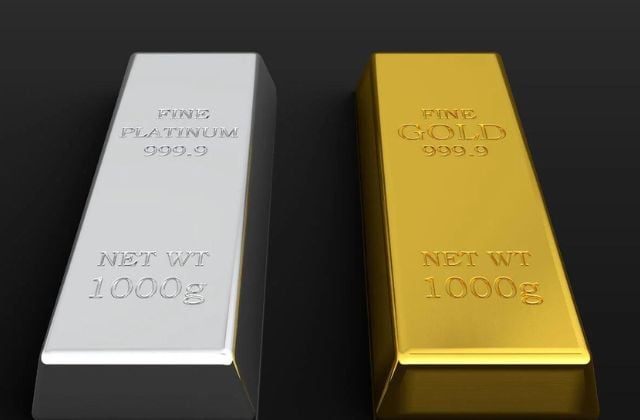
What is the price of platinum today?
The retail price of platinum jewelry typically ranges from a few million to tens of millions of Vietnamese Dong, depending on the product, design, weight, and brand. In reality, platinum rings on the market usually cost from 8-20 million VND, and even higher if they feature diamonds or special designs.
How to Care for Platinum Jewelry
Platinum is one of the most precious and beautiful metals, so it is essential to keep your platinum pieces looking their best and retaining their value. Proper care is necessary. Here are some suggestions you can refer to:
- Avoid impact: As a soft metal, platinum is prone to scratches and damage from impact. Be careful when wearing and using platinum products; avoid letting them collide with anything.
- Avoid contact with chemicals: Platinum can be easily corroded by chemicals and cleaning agents. Avoid exposing platinum to chemicals such as salt, paint, detergents, dyes, etc.
- Store in a cool, dry place: Store platinum in a cool, dry place and avoid direct sunlight. Platinum can oxidize and become moldy if kept in humid and hot environments.
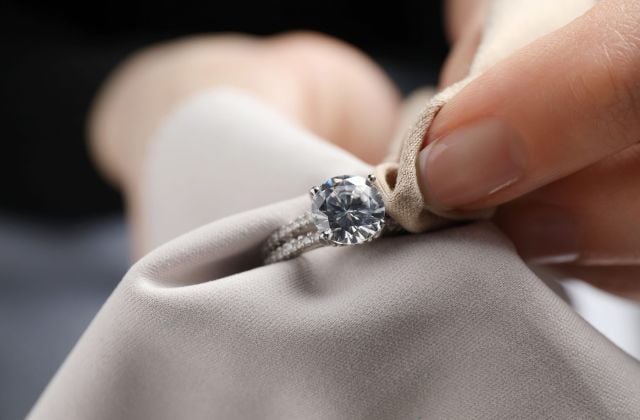
Clean regularly to keep diamonds sparkling
- Clean regularly: To keep your platinum pieces beautiful and shiny, wipe them regularly with a soft, dry cloth.
- Have the product professionally polished and restored regularly: If your platinum shows scratches or has lost its shine, you should take it to a specialized store for restoration. Technicians will help refresh your jewelry, helping you maintain its value.
- What is 950 Platinum? How much is Pt 950 Platinum?
- Platinum vs. Diamond: Which is More Expensive?
- What is White Gold? Platinum vs. White Gold: Which is More Expensive?
With the information shared by Jemmia Diamond above, we hope to help you answer the question what is platinum. Platinum is not only a precious metal but also a symbol of nobility, elegance, and sophistication. Thank you for reading the article.
See more: High-end diamond wedding rings that are popular today.